
As much as I admire professional editors, I
am still not making enough money from my writing to justify using a
professional editor. Yes, I hear you, maybe if I did have a professional
editor, I would make more money from my writing. Chicken and egg!
I am an advocate of write, write, write,
for the first draft. Just get it all down on the paper. I don’t worry about
editing as I go along because I don’t want to go down the rabbit holes. Even
research is left out of my writing in this first stage. I keep each piece of
work in a separate folder with a label of the project on it. If I do have a
genius idea I can put it on another piece of paper and just put it together
with my draft for later reflection.
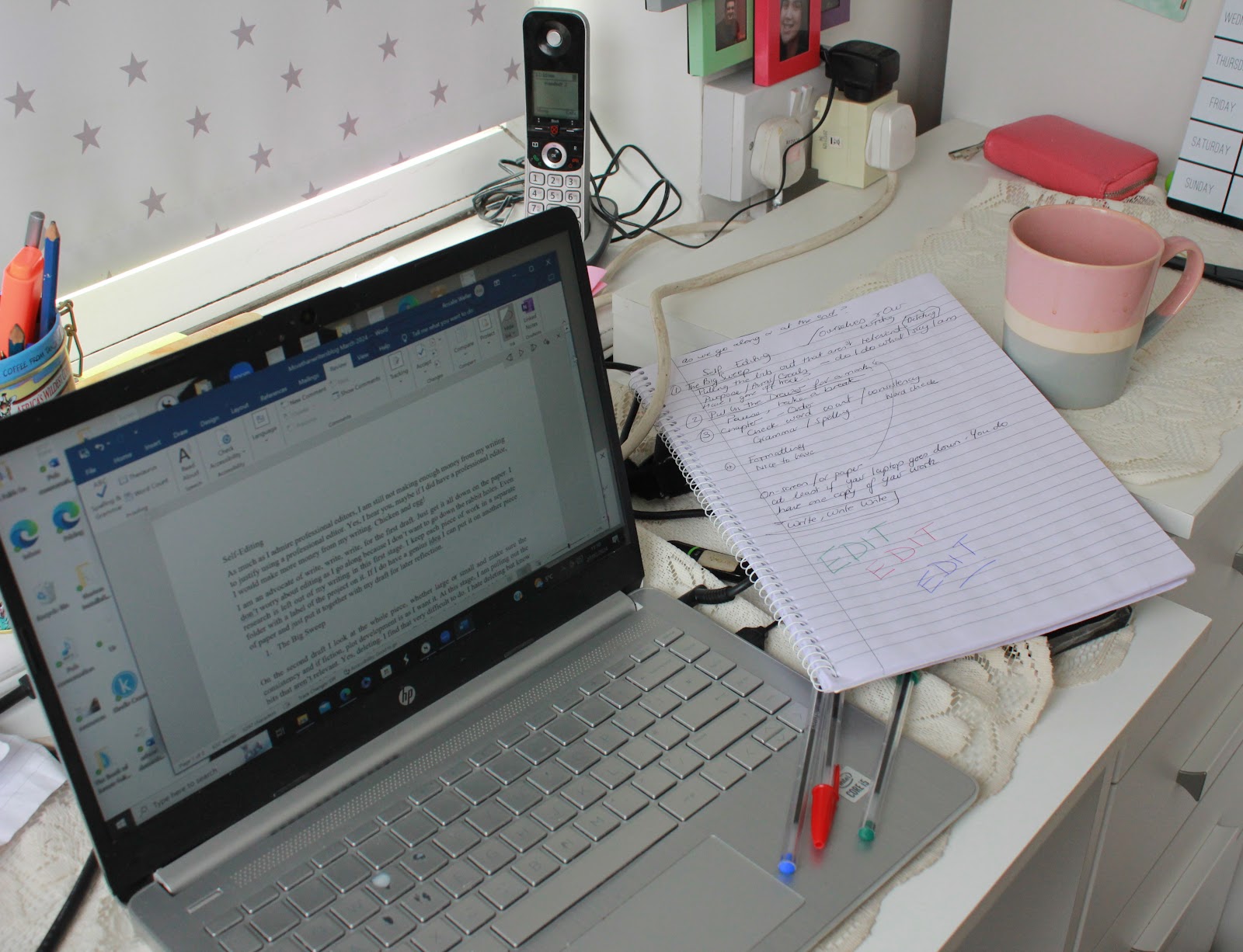
1. 1. The Big Sweep
piece, whether large or small and make sure the consistency and if fiction,
plot development is as I want it. At this stage, I am pulling out the bits that
aren’t relevant. Yes, deleting. I find that very difficult to do. I hate
deleting but know it is necessary. I look at my original purpose. Do I do, what
I said I would in those early chapters? Have I gone off track? If I’m not sure,
I put a note to myself to rethink it when I next edit.
I don’t know whether you edit on screen or
on paper. Personally, I do both. When I have done the big sweep, I print off my
work but with no section breaks, just as line after line and page after page.
It saves paper and bulk and can be sorted in the formatting which comes later.
2. Put in the drawer for a month
Yes, the work goes away for a whole month.
I start on something else or take something out of that full-up drawer. I do
think about it and make a note of new ideas and approaches on a bit of paper
and shove it in the file. This is where it helps that there is a rough
print-out. It guards against technology blips. If your laptop goes down, you
still have your rough copy which is better than everything going into
cyberspace!
3. 3. Chapter by Chapter
On this third or fourth draft, I am
considering the order of the chapters. I work in Scrivener as it is easy to
change the order of chapters with a drag and drop. Then I look at consistency of
the chapters. As I am working mostly on devotionals, have I got a prayer or a
quote in each chapter if that is what I am aiming at? Are my chapter headings
consistent in their case, alignment? Is the word count consistent or roughly so
for each chapter?
Each chapter now comes under scrutiny. Is
it lively? Engaging? Appropriate for my audience? What about my use of
vocabulary? At this stage I might run it through Pro Writing Aid (or some use
Grammarly), for a spelling, grammar and repetitions check.
draft? If you aren’t totally happy with it, go through it again.
That is a brief version of how I deal with
my writing but looking at it, it is also how I deal with myself. After all,
this piece is called ‘self’ editing. The big sweep usually happens at the
beginning of a new year. Am I on track in my life? What do I need to change? It
usually means dropping less important activities as I tend to take on things
then can’t cope.
Then, I too need to be put in a drawer for a
month. Pause, reflect, be with the Lord. Each of my chapters needs to be held
up to the light of Jesus. Words too need to be examined. Only wholesome words
to build up others need to be kept.
So what about you? How do you go about your self-editing in your writing and yourself?
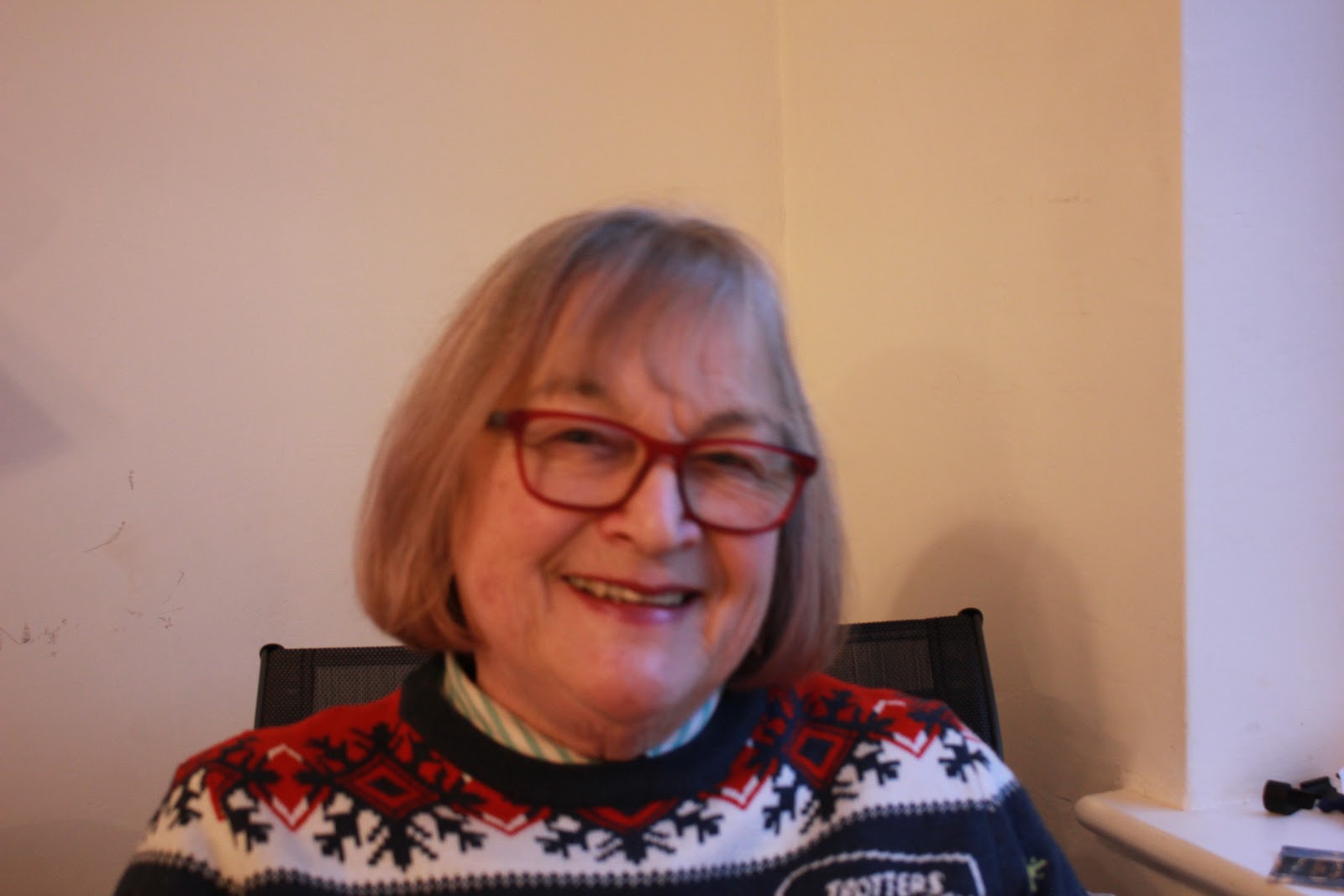 Rosalie Weller
Rosalie tries not to take herself too seriously. Life is
too short! She enjoys writing in different genres – historical fiction, bible
study guides, devotionals and poetry.
She is the Groups’ Coordinator for ACW and welcomes any
enquiries about groups at groups@christianwriters.co.uk

