I don’t enjoy criticism. As an only child with two adults in the family, guess who generally got the blame? I admit it has become a defensive default position.
I even balk at revising
a draft, dithering
disconsolately about
what to change, not liking
having to criticise
my own imperfection.
 Four months into taking my writing more seriously, I am working on embracing this challenge; pondering over the flow of the words, reviewing whether they are singing in harmony, or whittling some away to communicate better. To choose the articulate over the verbose is a skill. I struggle over what my voice really is, and whether I can be taken seriously. Yet, when others cross examine my meaning, re- ordering sentences, removing tautology and apply skilful punctuation, I find it inspiring. This art can be learned!
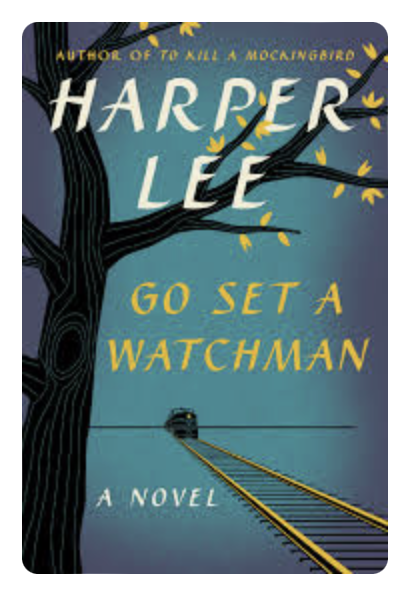
When Harper Lee’s second book, Go set a Watchman came out, I was teaching history, and trying to get my students to work on their essays. Evenings marking essays were lightened by the hilarity of unintended gaffs. Scripts had often been dashed off, perhaps on a hockey team bench, without any thought to their possible future as a classic. So, to encourage these budding history scholars, I suggested reading their arguments out loud, even to the cat.
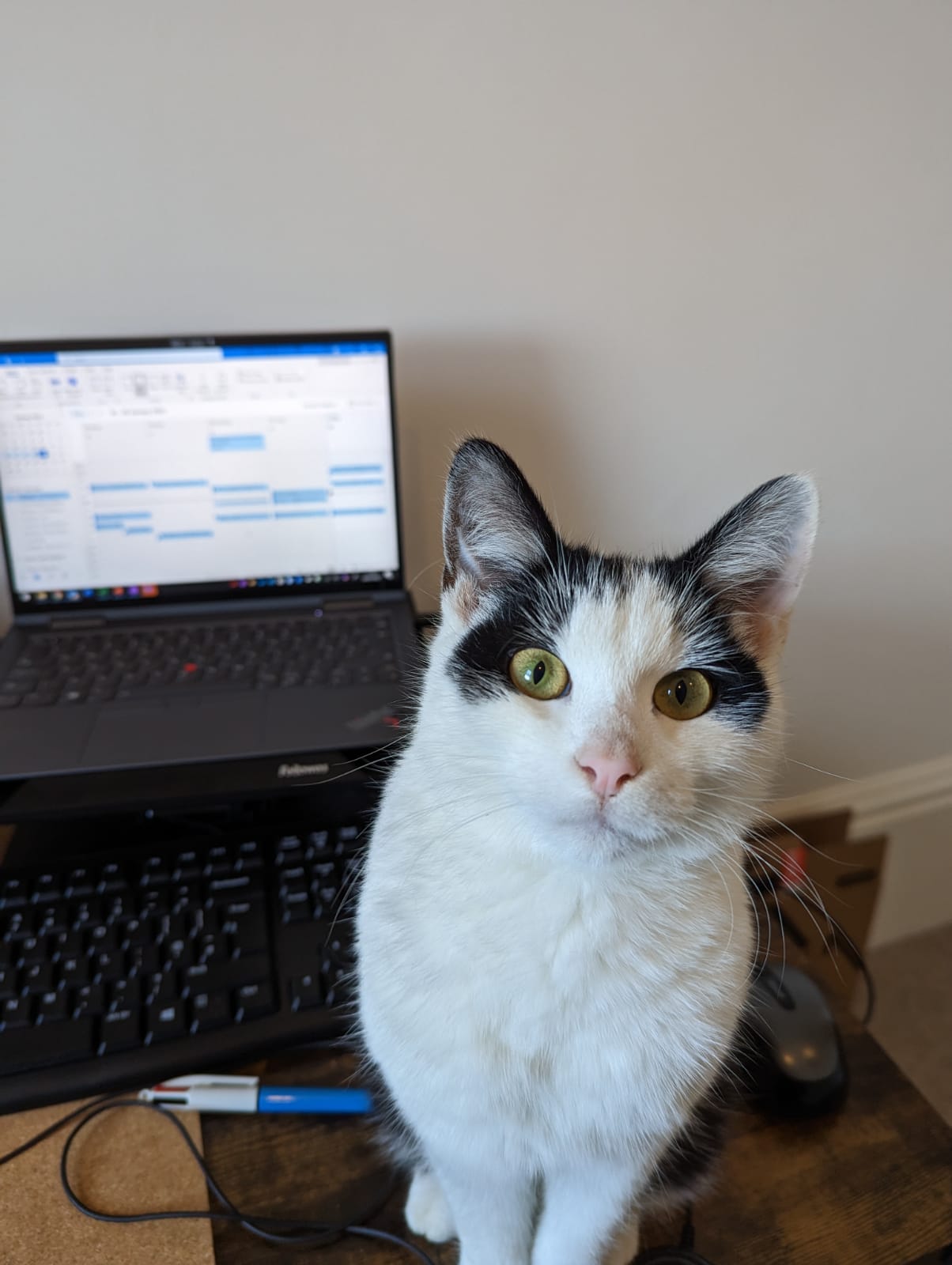
It really helped. Written mistakes can be neatly obscured by typed text, beautifully displayed on inspirational screens, – and in my case, having been spell-checked, leaving me with a false sense of security.There is, however, something instinctively self-corrective about speaking nonsense out loud!
Go set a Watchman seemed to fit into this season of encouraging my students to ‘check your work’, seeming to prove the point that genius is 10% inspiration and 90% perspiration. When it was published in 2015, it was an anomaly. A lifetime had elapsed since, To Kill a Mockingbird had launched her as an author, in 1960, the delay largely due to the opposition of her sister, Alice. I asked a colleague in the English Literature department for her reflections on Lee’s new book. “Too raw”, was the considered response. The brilliance of To Kill a Mockingbird lay in its crafted, polished, artisanship. Had Alice Lee wisely discouraged the second publication knowing it was under-prepared, not wanting Harper to be exposed? Had she herself, like the instruction in the title, become a watchman over her sister’s life?

Setting this ‘watchman discipline’ – developing the skill of re-drafting, erects a shield over writing. So it needs to be embraced wholeheartedly, not avoided, because it’s my friend. It doesn’t only apply to writing, though, but my whole life.
I write and, I am read, by those around me. Setting a watchman on the walls of my heart sharpens by ability to represent Jesus to those who see me or read what I write. To walk and write well honours Him.
You are our letter, written in our hearts, known and read by all men, being manifested that you are a letter of Christ, cared for by us, written not with ink but with the Spirit of the living God, not on tablets of stone but on tablets of human hears (2 Corinthians 3:2-3, NASB).