

I remember, about 10 years ago,
reading a book called Baby
Aliens Got my Teacher by
Pamela Butchart. My 6 year old son had chosen it. The title didn’t
appeal to me, but at least it offered some respite from books
preoccupied with flatulence! We started to read it and were gripped.
When
we finished it, and my son
immediately read it to himself (his first chapter book) and suggested
we bought it for his friends. Later,
when my daughter left year 2, I
gave that book and a couple of the sequels to the class library.
What is
so good about the book?
Not the story, which is a
little mad, but engaging; not
the illustrations, although
they complement the story well.
What makes it so good is
the voice. As with most modern children’s books, it’s a first
person narrative and Butchart has made her 9-year-old narrator sound
so realistic you expect to meet her in school the next day. The
cadences, the choice of words, the mad non-sequiturs, they are all
completely convincing. And that makes the book come to life. It made
my children want to read it, because it spoke to them in their voice.
Butchart is not a 9-year-old girl, but
she manages
to inhabit the character of one.
I’m currently writing as a
16-year-old (which I am not, by a long way!). It helps that I have
teenage children, but I also do my research. I watch teen programmes,
I try to listen to conversations on buses or in cafes, to decipher
the slang that teenagers use with one another, and note how they
moderate it when they speak to adults.
When Jesus preached, he used the
language of the people he was speaking to: the pastoral images of
shepherds and grain stores; the domestic situations of preparing for
a banquet or running out of oil. In a similar way, as a writer I need
to try and inhabit the world of both my characters and my readers,
finding a metaphor that means something to them, and using the
language of their everyday. This
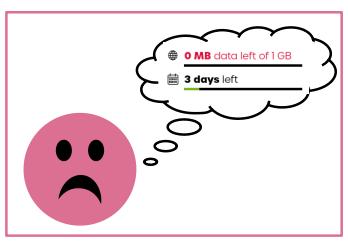
may mean talking less about lost sheep and more about a lack of data!
However implicit or explicit the faith
content of our
work, we are called
to communicate meaning and truth to today’s world, in
a way that attracts and challenges.
So if you find me moving from the
parable of the two sons (Matthew 21:28-32) to an episode of Some
Girls, In my Skin or Sex
Education*, then you’ll know
I’m fine-tuning my voice, so that I can sound like and speak to
today’s teenage girls.
*Some Girls and In my Skin are both
available on BBCiplayer; Sex Education is on Netflix; all these programmes may contain
scenes you find disturbing


