
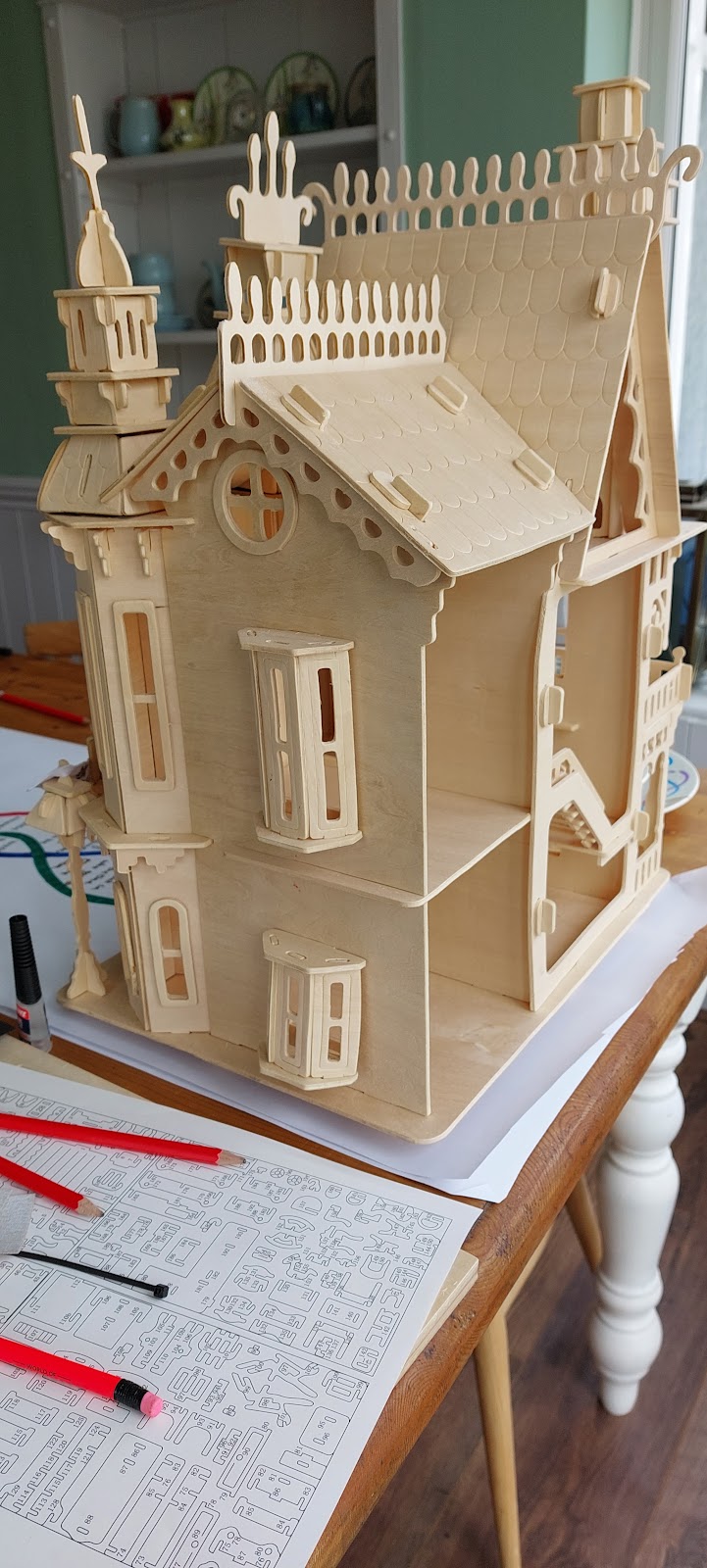
Have I mentioned that I’m doing a Creative Writing MA? With
a dissertation project of visual poetry about the transformational impact of
faith, hope and love on trauma?
One of the pieces I’m working on came from reflections on
the verse in John:
“In my Father’s house are many mansions.”
It got me thinking about heaven. I’ve asked other people
what they think heaven will be like, reread my brother’s and father’s sermons,
and researched it in theology books. My ideas and beliefs have changed over the
process. But an image has stayed in my head the whole time – a house – and I’ve
built a model from a kit with a symbolic path leading to it containing my
poems.
While I was popping silhouettes out of the wooden template,
fitting and gluing them together, I couldn’t ignore the smell of sawdust
permeating our whole house.
I started to think how it would be a familiar smell for
Jesus, even if he was more used to wood on a much larger scale. And then I
wondered what other things Jesus would have smelled? And what would He have
smelled of?
Baby smells of poo and freshly washed skin. Teenage sweat
and smelly feet and, hopefully, whatever they used for soap in those days. Onion
and garlic on His breath, spices (coriander, cumin, mustard, saffron) seeped
into His skin. Perhaps He rubbed dill and mint from the garden between His
fingers as He passed. Yeasty bread and baking filling the house. Fish guts after
a day with his fishermen friends. Smoky frankincense when He visited the
Temple.
Perfume from anointing. Traces of sour vinegar dribbling
down from a sponge and dried blood. Finally aloes and antiseptic myrrh, maybe piney
balsam and cinnamony cassia.
And at Resurrection? Did Jesus leave the smell of death
behind in the tomb? I imagine He smelled of petrichor, a garden newly awake,
loamy earth under His fingernails, seeds sprouting, fresh laundry dancing in
the sun. I bet Jesus smelled … green. And maybe a hint of new baby again.
Smell is closely linked with memory in our brains. As I imagined
this about Jesus, it felt like I was remembering memories, even though I hadn’t
been there. Jesus came alive for me, more human, more real.
As writers we try to evoke character and scene using our
senses but I wonder if we may be guilty of imbalance? A tendency to rely on visuals
primarily, then hearing, followed by touch for a surface or taste for food, with
smell often an afterthought. It may be a cultural habit – my dear Chinese uncle
explained that he distinguished people much more by shape, e.g. of facial
features, rather than the West’s reliance on colour (eyes, hair, skin etc.).
Or perhaps it’s just habit? I wonder if our fellow writers
with sensory impairments use sensory descriptors with a different emphasis?
Ignatian discipline encourages us to use all our senses in picturing
Biblical scenes. Let’s not ignore those less obvious ones, in either our
devotional lives or our writing. I’m already wondering how I can incorporate
those less used senses more into my poetry.
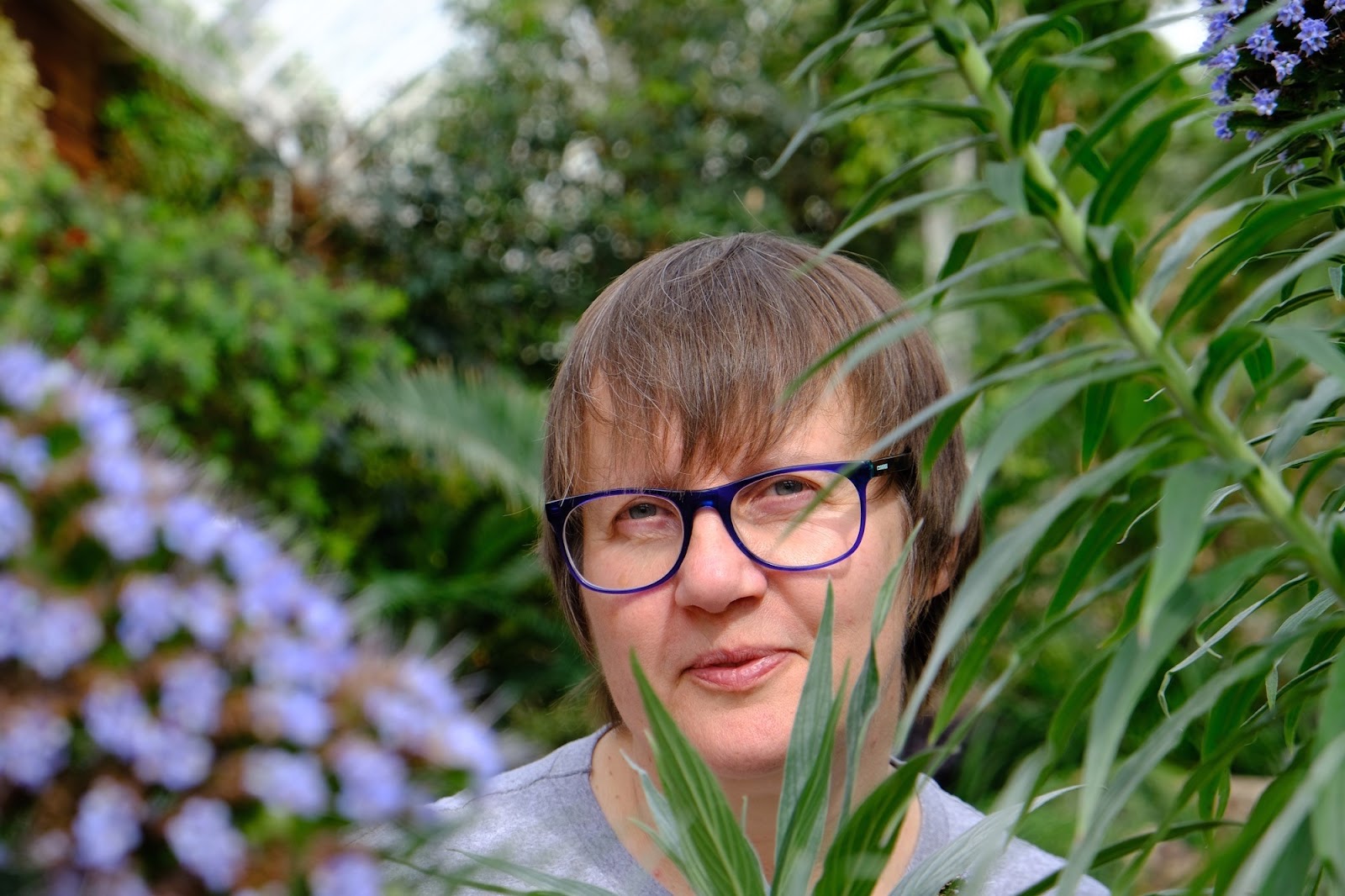
Liz Manning lives in Cornwall and is doing a Creative
Writing MA at Plymouth University, where she’s exploring fiction, poetry, and dramatic
writing possibilities. She’s currently working on her dissertation, a visual
poetry collection, which explores how faith, hope and love sustained her
through difficult times.
She blogs regularly at https://thestufflifeismadeofblog.wordpress.com/

