
Last time I blogged (two months ago), I wrote about my rising anxiety and impending departure from my comfort zone (a trip to Zimbabwe to visit family). I’m pleased to report I survived the experience and have been back to reality for well over a month now.
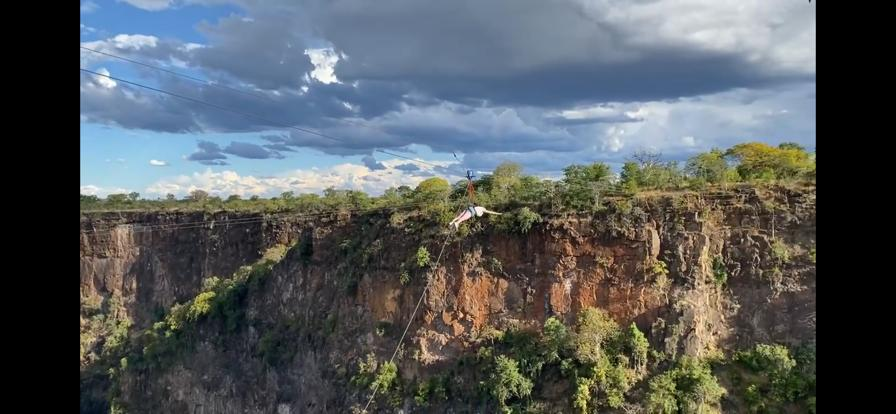
It was certainly an adventure! I started by having 24 hours of travel, whilst recovering from a slightly-too-close-for-comfort dose of Covid. A week in, I braved the “Flying Fox,” – a zip wire over the gorge just along from Victoria Falls. Back in Harare, I took a spin in my brother-in-law’s light aircraft, which he uses in his role in wildlife conservation in Zimbabwe.

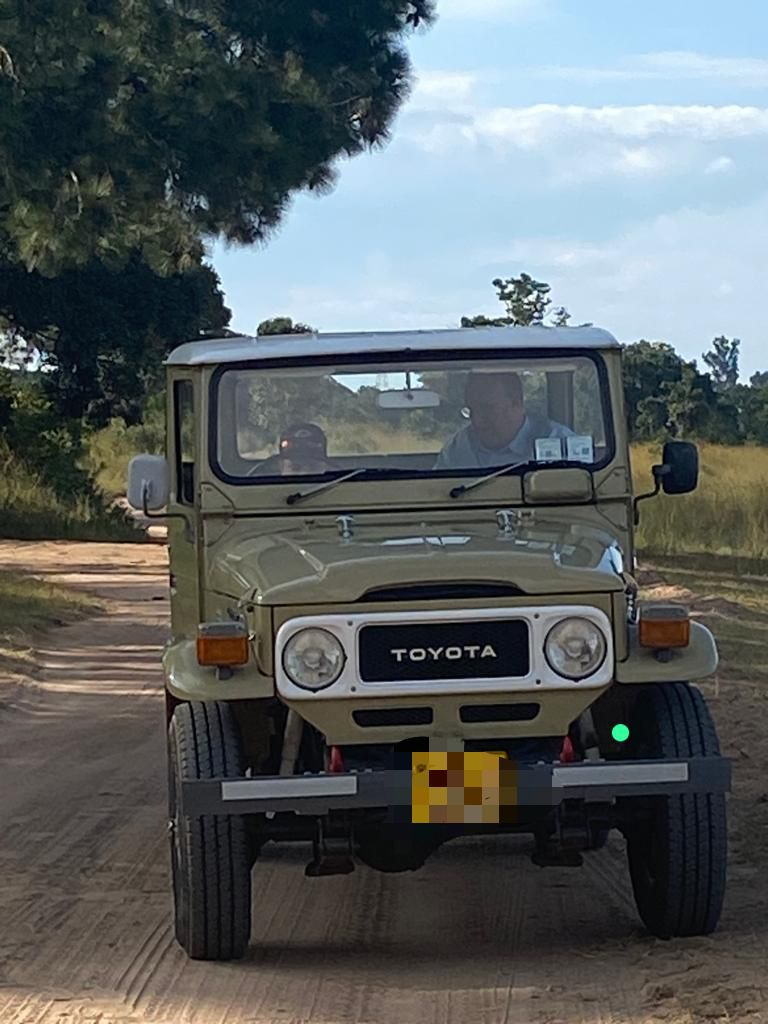
The same week, I succeeded in continuing to breathe while said brother-in-law allowed my 12-year-old to drive a truck around on a private road in a game reserve. A zebra crossing, in this context, was quite literal. Later in the trip, I slept in a tent on the banks of the Zambezi river where we were told (on night one) that a hippo had been seen wandering through the camp grazing, a few nights previously. We withheld this information from our already-far-too-far-out-of-his-comfort-zone 12-year-old.

2. We need experts to guide us to hone our technique to help us fish / write better. To begin with, I hadn’t the foggiest how to cast, check for bites or reel in my catch, but with coaching I had more chance of achieving the coveted fish on the end of my rod. So too with writing. There is so much to learn and in ACW there are so many wonderful and generous people to learn it from – make use of them and be teachable.
3. Sometimes you think you’ve caught a fish, but something undesirable has attached itself to the end of your line. This happened to me many times. I became the standing joke that I was the chief salad-catcher, snagging enough river-weed to keep us eating greens all week – not the fish I’d hoped for. This might be the case in writing with unscrupulous publishers – the vanity kind who extract huge sums of money and don’t make you any. Check carefully what is on the end of your “rod,” before you reel it in.
4. You need so many spares of everything! Sly fish have perfected the art of stealing your bait and swimming off with all your equipment. I had heard the idiom, “swallowed it hook, line and sinker,” but on a boat on the Zambezi, the metaphor became reality. This was not a problem, however, as Father-in-Law and Brother-in-Law carried around with them all the aforementioned spare parts and more, as well as tools with which to attach them. In writing, this is perhaps an excuse for a whole shelf full of notebooks and pens, but also perhaps a reminder to back up our work in case our laptops / MacBooks decide, one day, to swallow the lot. With the wherewithal to recover the work and keep going, all is not as lost as it might otherwise be.
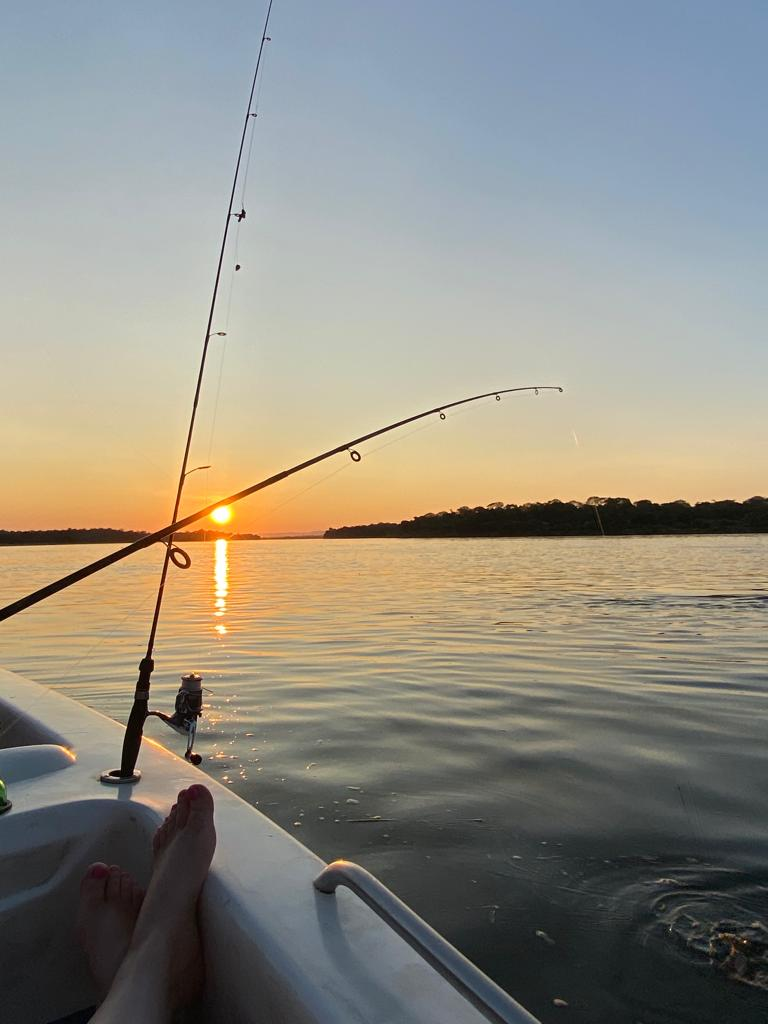
5. Sometimes the best thing to do is give up and read. With nothing biting (or everything biting but nothing attaching itself to my fishing hook), sometimes I just sat back in the hot African sun, sipping my beer and reading my Kindle. When writing ideas evade us, this is a good way to reset. Rest, recuperate and read something that might just get you inspired enough to cast that line out again when you feel ready.
Of course, Jesus was right at the centre of the more successful fishing trips in the Bible. Luke 5:5-6 in the NLT says, “‘Master,” Simon replied, “we worked hard all last night and didn’t catch a thing. But if you say so, I’ll let the nets down again.’ And this time their nets were so full of fish they began to tear!” The very same thing happens at the end of the gospels, after Jesus’ resurrection. Let’s not forget to involve Jesus in our fishing and trust him for the right catch at the right time.
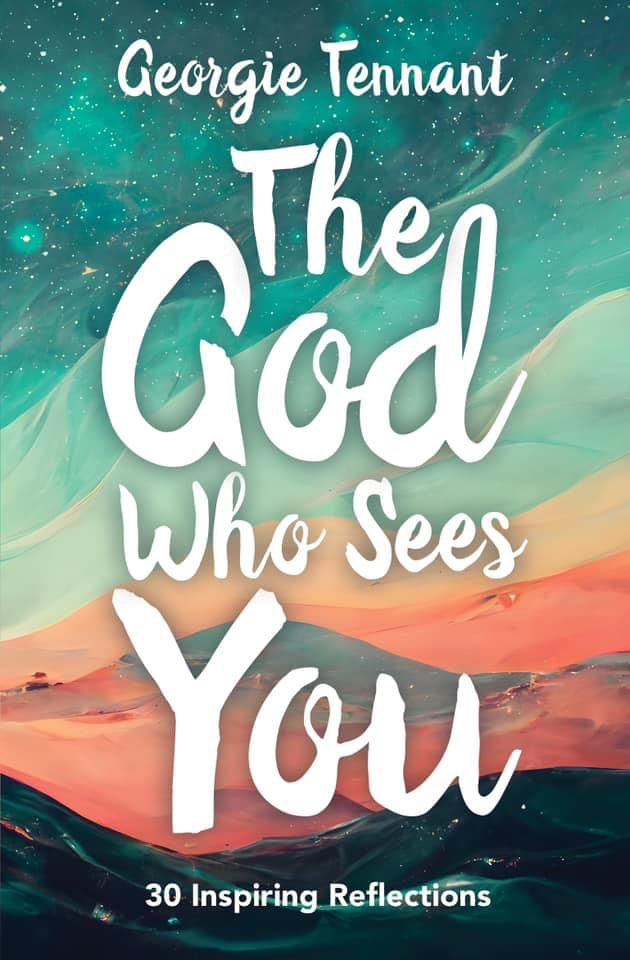
Georgie Tennant is a secondary school English teacher in a Norfolk Comprehensive. She is married, with two sons, aged 14 and 12 who keep her exceptionally busy. She writes for the ACW ‘Christian Writer’ magazine occasionally, and is a contributor to the ACW-Published ‘New Life: Reflections for Lent,’ and ‘Merry Christmas, Everyone.’ She has written 8 books in a phonics series, published by BookLife and is a freelance writer for King’s Lynn Magazine. She writes the ‘Thought for the Week’ for the local newspaper from time to time and also muses about life and loss on her blog: www.somepoemsbygeorgie.blogspot.co.uk. Her first devotional book, “The God Who Sees You,” has just been published by Kevin Mayhew.
Originally written by Georgie Tennant

