
Greetings! This is my first MTW blog so I’d really appreciate your comments!
I do like a good Ordnance Survey map.
They are not books, but perhaps they fire similar brain neurons? There you are on a beach relaxing in the summer Sun or sat in a garden, buried in a book as the sun tracks across the sky. It’s paper and ink, black on white, but the written words have become a mere representation of the characters, shuffling around in your brain’s imaginary world. I confess I did skip a few too many Chemistry lectures at University; I had relocated to Middle-Earth, thanks to J.R.R.Tolkein’s The Lord of the Rings.
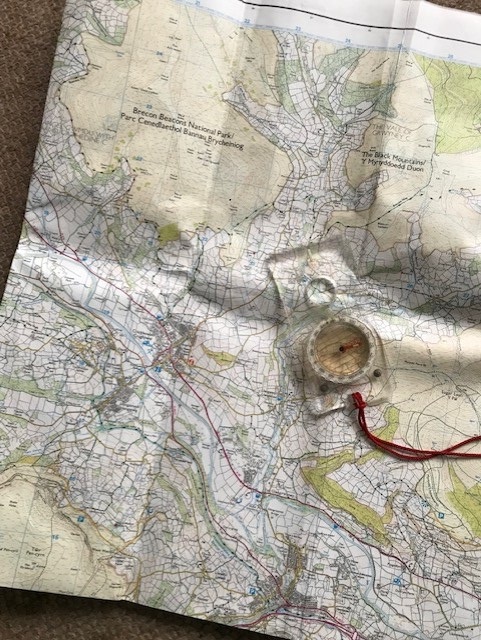
Maps, if you linger over them long enough, have the same effect: representations of a reality your mind constructs as you immerse yourself in the contours, unknown symbols, disused railway tracks…and a thin blue line. You imagine the hills, the light, the terrain, the rockfaces, the shake holes, and disused railway lines. I’ll come to the thin blue line later.
Here’s my question: how much is writing the reverse process? If the words of a book and contours on a map construct an imaginary world in our minds, is that how you write a book but in reverse? From an imagined world to words on a page? Is this spontaneous or planned? Do you almost write the story as it unfolds like a film in your imagination? Or do you start with a few seed ideas or characters, then map it all out, plotting your intended route…before writing?
I’m asking partly out of curiosity. I write some poetry and am trying to write a children’s book and a historical fiction set in the 1790s, and I wonder what others do?
I’m also asking from a theological perspective.
Back to the thin blue line.
When I moved to Bristol one of my first purchases was OS Map OL 13 Brecon Beacons and I pored over it for hours. And then a short, thin blue line, emerging from halfway up a rockface, looked at me and I looked at it. Tent in a rucksack, boots on, and an equally map-absorbed friend and I set off to investigate. True to the map, a very small stream of pure cold water flowed from a crack in the rockface. It reminded me of Moses in the desert.
‘He turned the rock into a pool of water, turned flint into a fresh spring water’ Ps 114v8. Is this how writing works? Our minds and imaginations, rather than sources of fresh spring water, seize up and feel like flint, but then something shifts, and ideas and words flow once more.
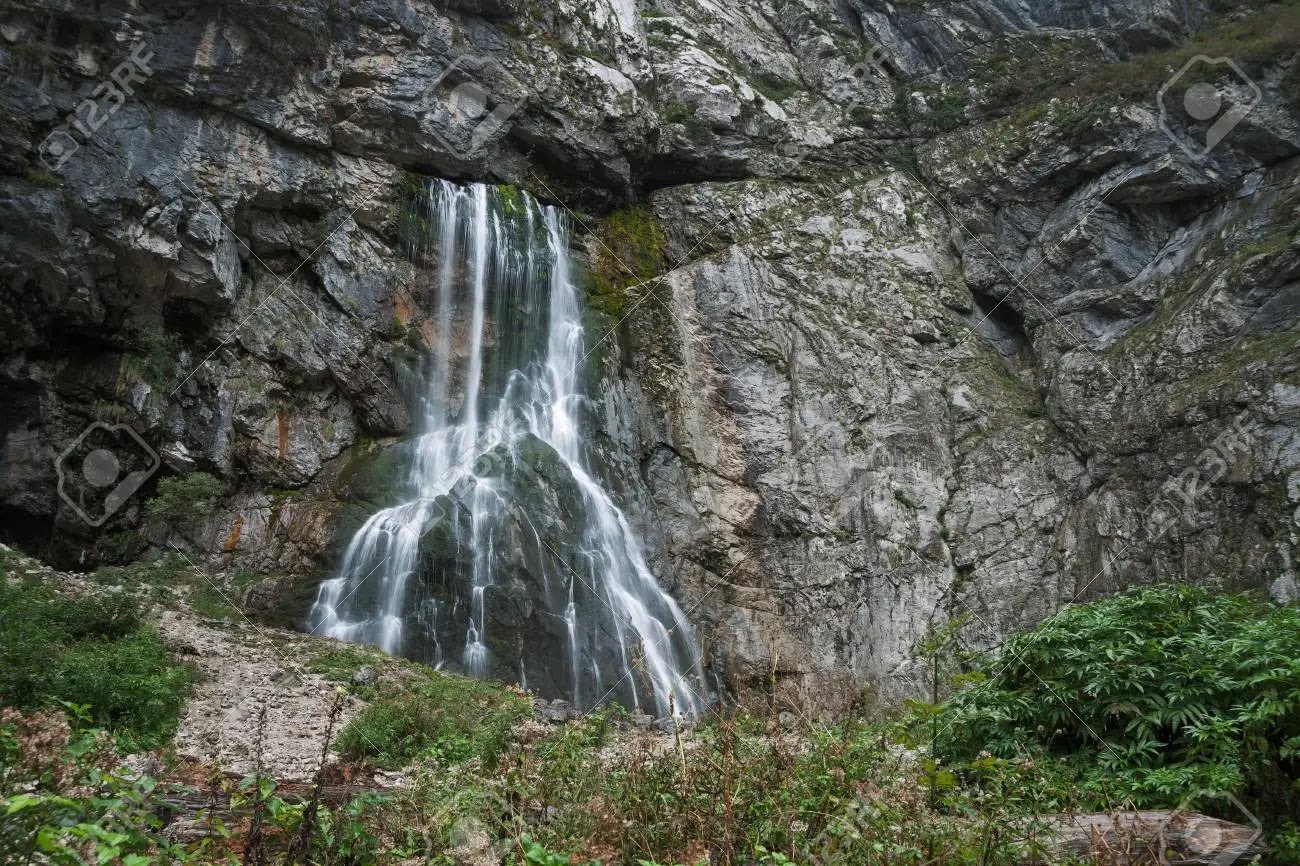
But I am curious to find out whether other writers have the same ‘spiritual’ experience of ‘flint to fresh spring water’ but also what you do once the words and ideas begin to flow, maybe as a thin blue line rather than the Zambezi!
End of blog 1. I hope that the verse from Ps114 will encourage you as it does me and may God bless all of us with pen in hand or fingers hovering over a keyboard.

