
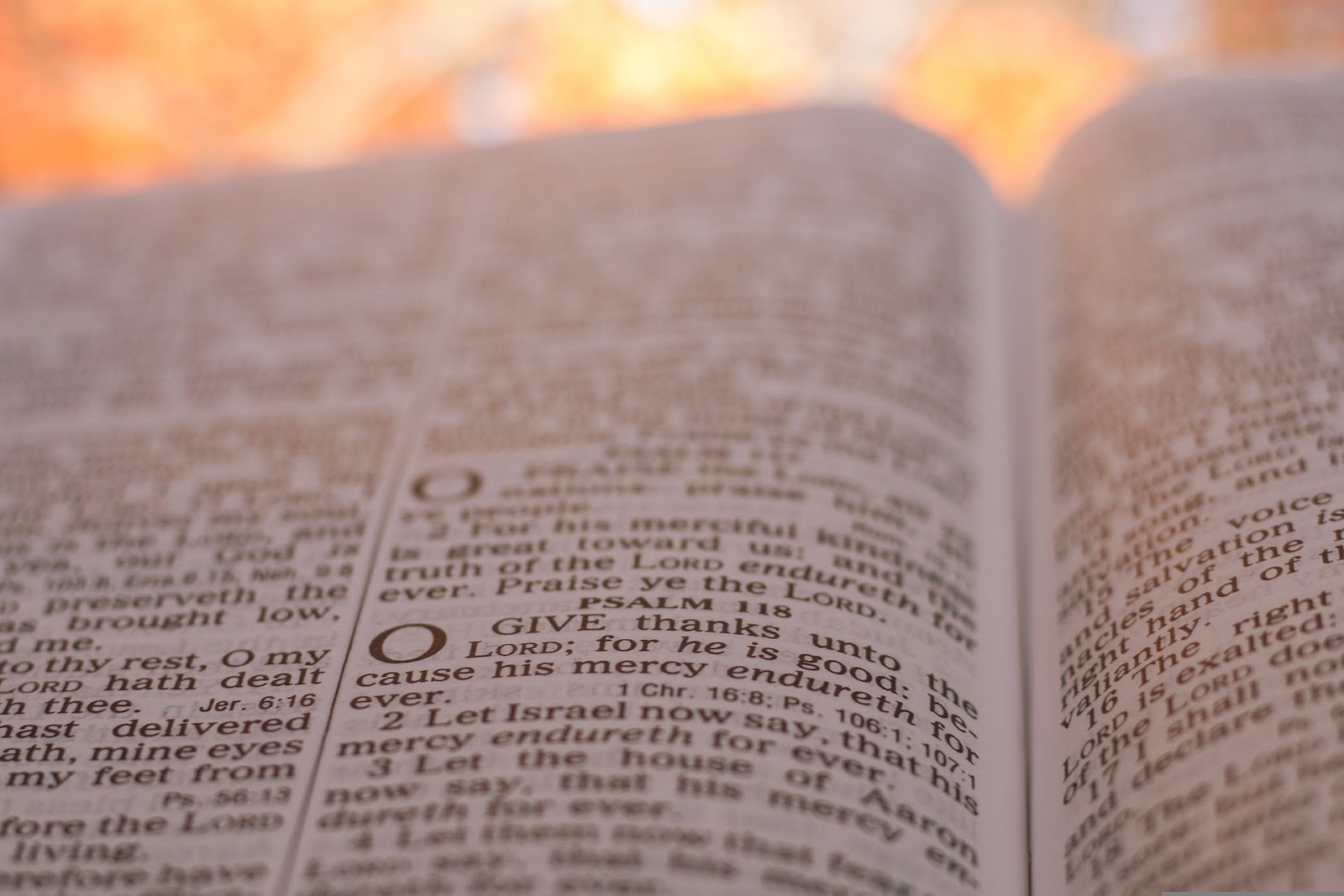
We have just come back from a lovely holiday in France. It
was a holiday booked for 2020, and this year it finally happened. Some of you
might know the place, it’s Le Pas Opton, a holiday centre run by Spring Harvest
Holidays. As it was a holiday in term time, there were no groups and clubs for
the kids, but there were morning devotions. I went along to most of them, as
well as the evening ones
The music is always interesting. You see, I grew up
Psalms-only in the Netherlands, using the Geneva Psalter, translated from French
in 1773. The Genevan psalms came out well before that and were translated by a
Dutch pastor. He did a good job, and some churches, especially in the south of
the Netherlands, still use his metrical version. It’s not the easiest to sing,
especially if you don’t stick to singing syllables.
So, one of the synods actually asked for good metrical
versions to be written, and they received entries from poetry societies,
pastors and people who had written some of the psalms. They had to stay with
the original Genevan tunes, but the words had to flow, be reasonably accurate
(the Dutch psalms aren’t as accurate as the Scottish Psalter, for example), and
be edifying. That was in 1773, and I know most of the tunes and words to
several verses of each psalm.
When I moved to England, I learned to love hymns. I was
familiar with some of the tunes but soon learned more. In our church, we still
sing the traditional hymns, using solid hymnbooks. It’s hard to say which hymn
is my favourite, as that depends on far too many things: time of day, amount of
coffee, kids’ mood…
At Le Pas Opton, we sang a few of the older hymns, but
mostly modern songs. I hardly recognised any of them although they aren’t hard
to sing. I missed learning a solid tune though, as it helps me to remember the
words.
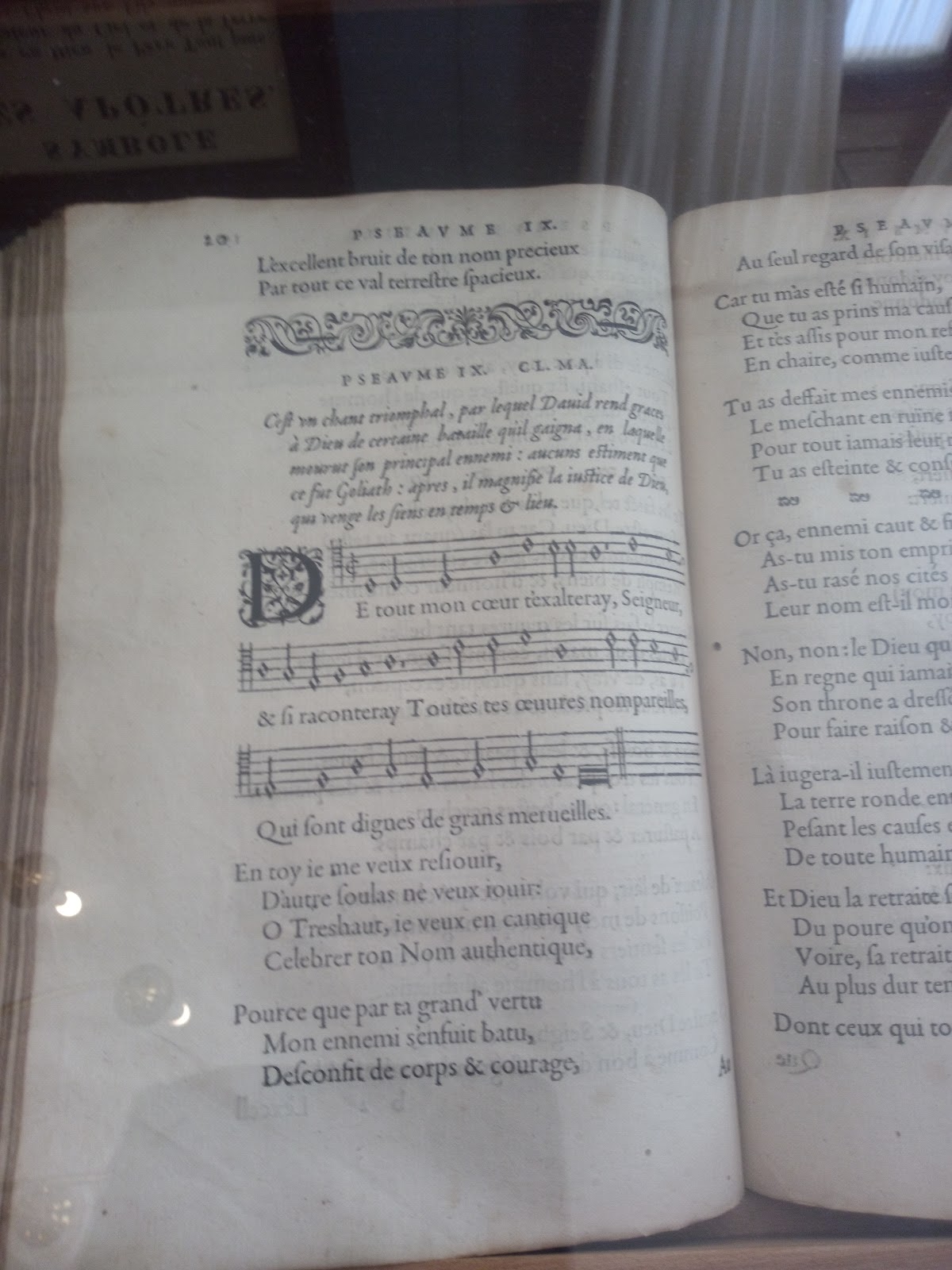
One day, we went to visit a small museum, all about the
Huguenots, the French Protestants who were persecuted for so long. In the
museum, I spotted a psalm book, in French, looking very old. The tune I knew,
but my French tends to run out after “Je m’appell Maressa,” so I can’t say
anything about that. I found it strangely moving to see that old book, with the
beautiful tunes, learning how those psalms helped people during some horrendous
times.
Did the people writing those poems know the impact, comfort
and joy their words would give other Christians for hundreds of years, in many
languages? That’s the thing that struck me. We simply don’t know how our words
will be used. We can’t tell the impact our words might have, not just at a book
launch or the tenth anniversary of our books being published, but hundreds of
years later!
So there we are, enjoy the writing, be blessed by it and
trust God with the outcome and the journey of your words!
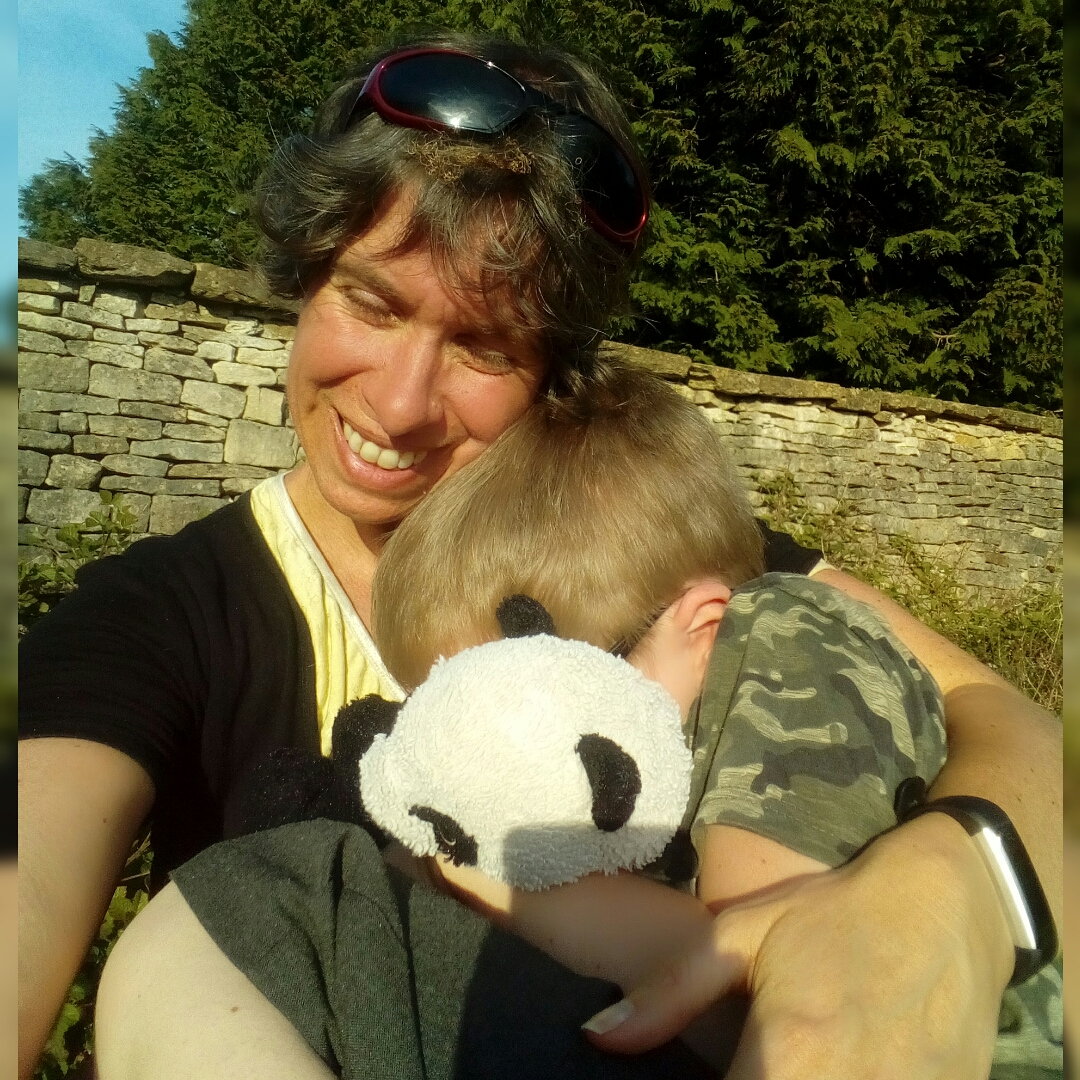
Maressa Mortimer is Dutch but lives in the beautiful
Cotswolds, England with her husband and four (adopted) children. Maressa is a
homeschool mum as well as a pastor’s wife, so her writing has to be done in the
evening when peace and quiet descend on the house once more. She loves writing
Christian fiction, as it’s a great way to explore faith in daily life. Because
of her interest in writing, Maressa is part of Creativity Matters: Find Your
Passion For Writing, an anthology encouraging people to write.
Her debut novel, Sapphire Beach, was published in December
2019, and her first self published novel, Walled City, came out in December 2020,
followed by Viking Ferry, a novella. Beyond the Hills is the second book in the
Elabi Chronicles, and was released in 2021, followed by stand-alone novel
Burrowed, released in 2022. All of Maressa’s books are available from her
website, www.vicarioushome.com,
Amazon or local bookshops.

