
There are lots of family trees in the Bible. The Gospels of
Matthew and Luke trace the ancestry of Jesus Christ. In the Old Testament the
Book of Numbers begins with a census, 1 Chronicles has lots of genealogical
information while Nehemiah records the families who returned from exile. There
are earlier mentions of people and their descendants too.
Records had been kept. People considered this important.
Nowadays family history research is a popular pastime.
Having inherited the family papers I decided to do some research myself.
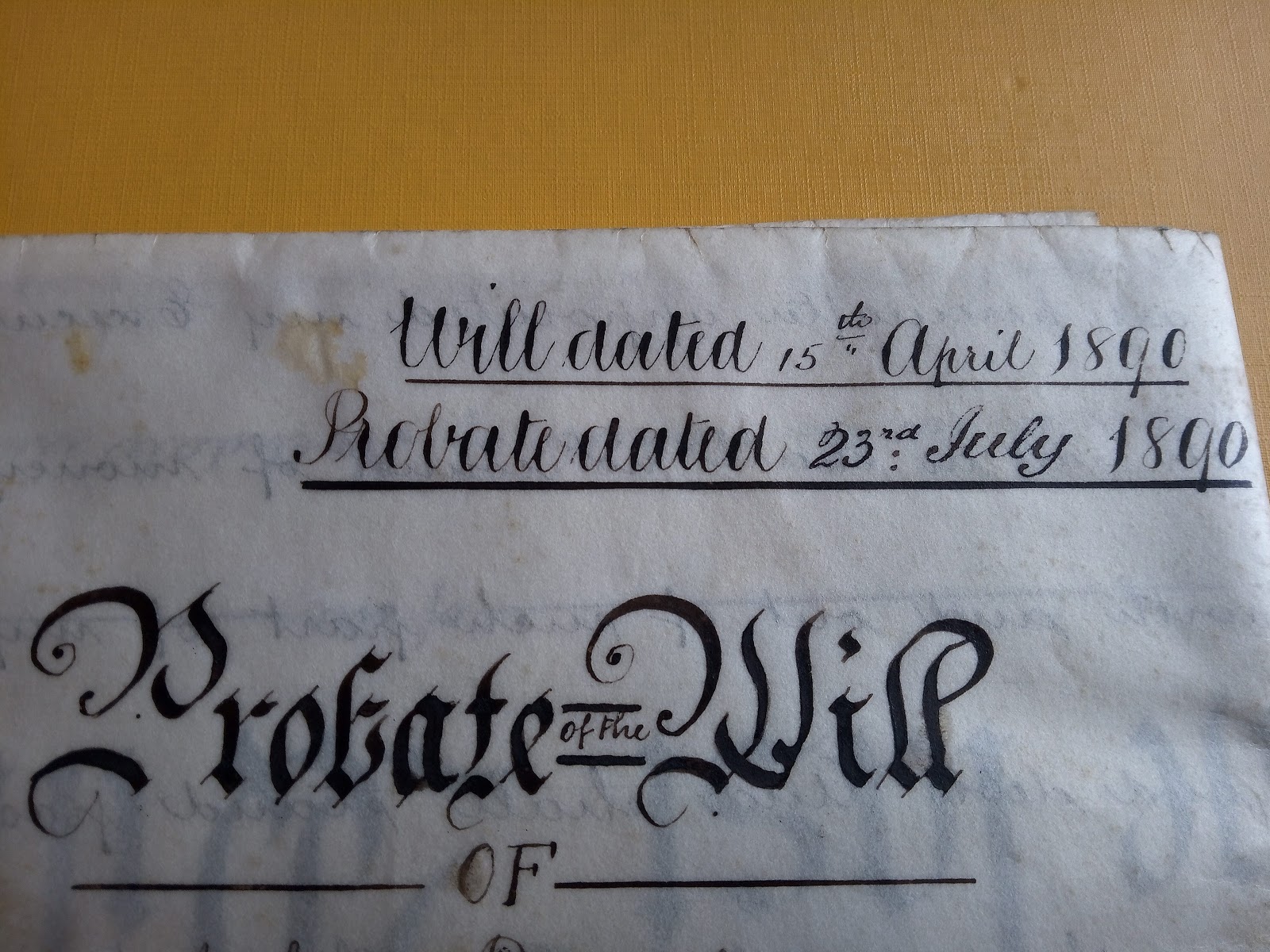 |
| A document I inherited |
The 1921 census was published earlier this year, but it is
not yet free to access. I took out a subscription to one of the popular
genealogy sites and began to research my ancestors. I can understand why people
find this an absorbing and addictive hobby.
The tools on the internet make it fairly easy to search
records. The site I joined even has automatic tools which find hints to help
locate relevant records. They are not always accurate, so cross-checking is essential.
Some of the facts I have discovered are really interesting.
I had ancestors who were blacksmiths and others were shepherds. One was a clerk
in local government. Some of the women and young men worked in cotton mills.
Earlier generations had been dressmakers and milliners.
It is interesting to imagine what their lives were like.
Families were large before the twentieth century. Infant mortality was high.
Many people worked with horses, which were an important means of transport.
(Blacksmiths made other things besides horseshoes though.)
Records of military service may be searched. As I also have
those family photos, which have survived various people’s attempts at
decluttering, I can match some unmarked photos of people in uniform by comparing
them with their records.
It is not essential to know all the details of our family
history. Some people are looking for lost relatives through this kind of
research. My interest is more in what people’s lives were like, how far they
travelled in search of work or a spouse. Stories can be put together. Facts
emerge about people getting married on leave and going back to fight in wars.
People were sometimes visiting relatives on census day.
Writing up the story of various branches of a family tree is
a different sort of writing. A great aunt was born in 1880 and lived well into
her 80s. She was still growing potatoes at 80! She appears in the childhood
memoir I have been writing on and off for decades.
Who our antecedents were is less important than our adoption
into the family of God, but family history research may provide us with
something to write about! (It did for this post on my blog, Sue’s Trifles.)
The sad passing of Her Majesty Queen Elizabeth II has led to interest in her Family tree. I expect that you are keeping her family and especially His Majesty King Charles III, the Queen Consort and our nation in your prayers, as I am.
Is family history one of your hobbies? Has it influenced
your writing?
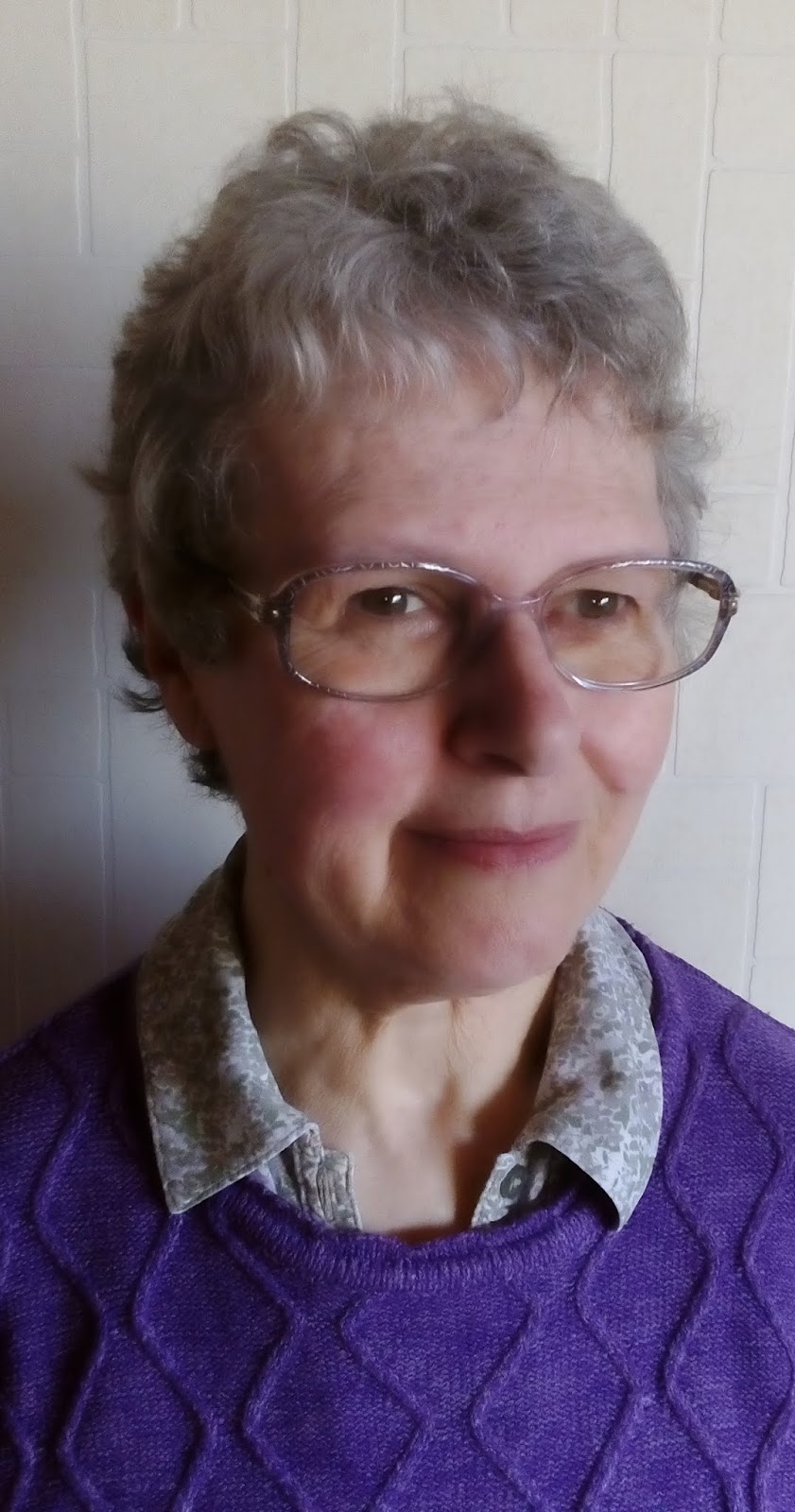
Susan always wanted to be a writer. In 2012 she revived her interest in writing with a blogging project to collect the kinds of sayings, which were much used in her childhood.
Susan experiments with factual writing, fiction, humour and poetry. She does not yet have a book to her name. Her interests include words, languages, music, nature study and gardening She has experience of the world of work, being a stay-at-home mum and an empty-nester. She is active in her local community and Church. She and her husband live in
Follow her on Twitter https://twitter.com/suesconsideredt

