
“Most of our childhood is stored not in photos, but in
certain biscuits, lights of day, smells, textures of carpet.”
Alain de Botton
I’d add ‘books’ to this quote.
I recently relived some of my childhood.
My niece, Abbie, has discovered Malory Towers, a series of
books about a girl’s boarding school, which I greatly enjoyed as a child. They
were frequently read under the covers after lights out.
I saw that Malory Towers has been made into a television series, a discovery which coincided with Abbie coming to stay, so we curled up together
and watched episode after episode.
Malory Towers was written by Enid Blyton.
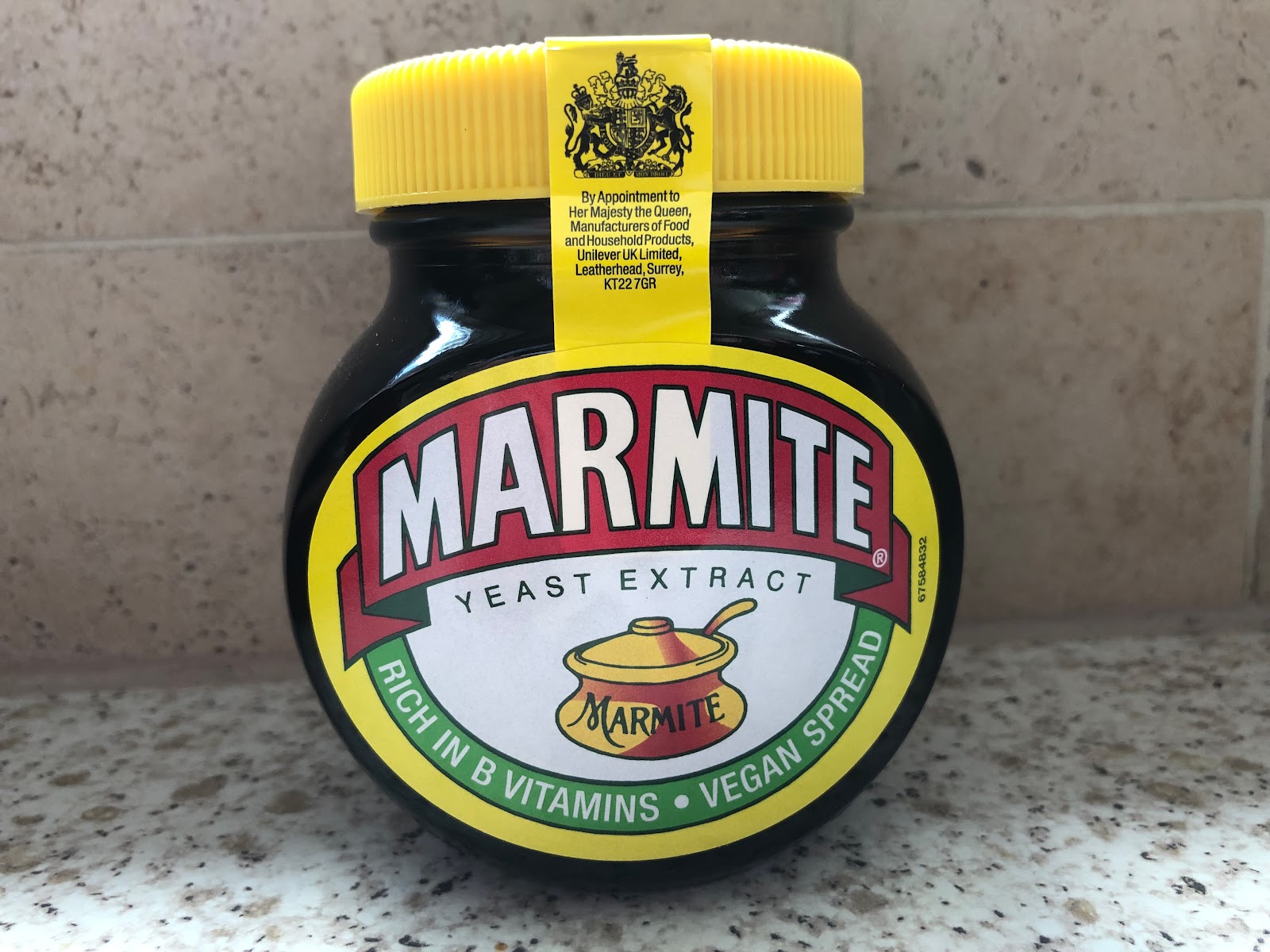
I know Enid Blyton has a marmite-esque ‘love/hate’ element
to her, and I imagine there will be readers of this blog who fall into each category.
I loved her books. They fed my imagination. I, my three younger
sisters, and a large toy dog, once spent an entire summer holiday ‘being’ the Famous
Five.
As a child, reading about magical worlds at the top of trees, and adventure after adventure, fascinated me.
Now, reintroduced to Enid Blyton’s work by my
niece, I’m intrigued about her approach to writing (here):
·
Enid Blyton typed out her stories while sitting
in her study or in the garden, her typewriter perched on her knees. She did not
learn to touch-type but used her two forefingers, still managing to type with
speed and accuracy.
This point makes me feel better about my own typing,
especially as I have now graduated to typing with five (or is it six?) fingers.
·
Enid Blyton did not plan a work of fiction
before starting to write it.
I know, from tweets I see, that there are ‘planner’ writers
and ’pantser’ writers. Enid Blyton was apparently the latter. I am the former.
I do like a plan. Up until now, I have written non-fiction, which I find suits
the planner. I write within a structure. And I’m fine with that.
I am now working on my first fiction book, and I
approached it like a true planner. I outlined chapter content before beginning
to write. I thought I’d structure each chapter similarly. When I
began to five (or is it six) finger type the story, this approach worked…..until
it didn’t (maybe I should have read Blyton’s tips earlier!).
As the story evolved, I was increasingly aware that writing
fiction is different. It is for me, anyway. I guess I became a combination of
planner and pantser.
Plantser?? I’ll see how it goes.
·
“It is as if (when writing) I were watching a story being
unfolded on a bright screen…..I am merely a sightseer, a reporter, an
interpreter, whatever you like to call me.” – Enid Blyton
I wonder what Enid Blyton would have made of the on-screen
adaption of Malory Towers; literally watching the story unfold.
Abbie and I discussed ‘book vs screen’, and we agreed that
much of the screen version was as we’d imagined it might be.
I am merely a sightseer, a reporter, an interpreter,
whatever you like to call me.
As Christian writers, whether of fiction or of non-fiction, of
overtly Christian material or not, we don’t write alone. We have God. God who
is our guide, our help, our refuge.
God, who answered Moses’ doubts about speaking (Exodus 4); ‘It’s
ok. I’ll tell you what to say.’
Moses was to pass on – or report – God’s words. Words he
heard through spending time in God’s presence.
May we, too, spend time with God and so be enabled to pass His words on.
Before a word is on my tongue – or pen, or keyboard – you, LORD, know it completely.

