
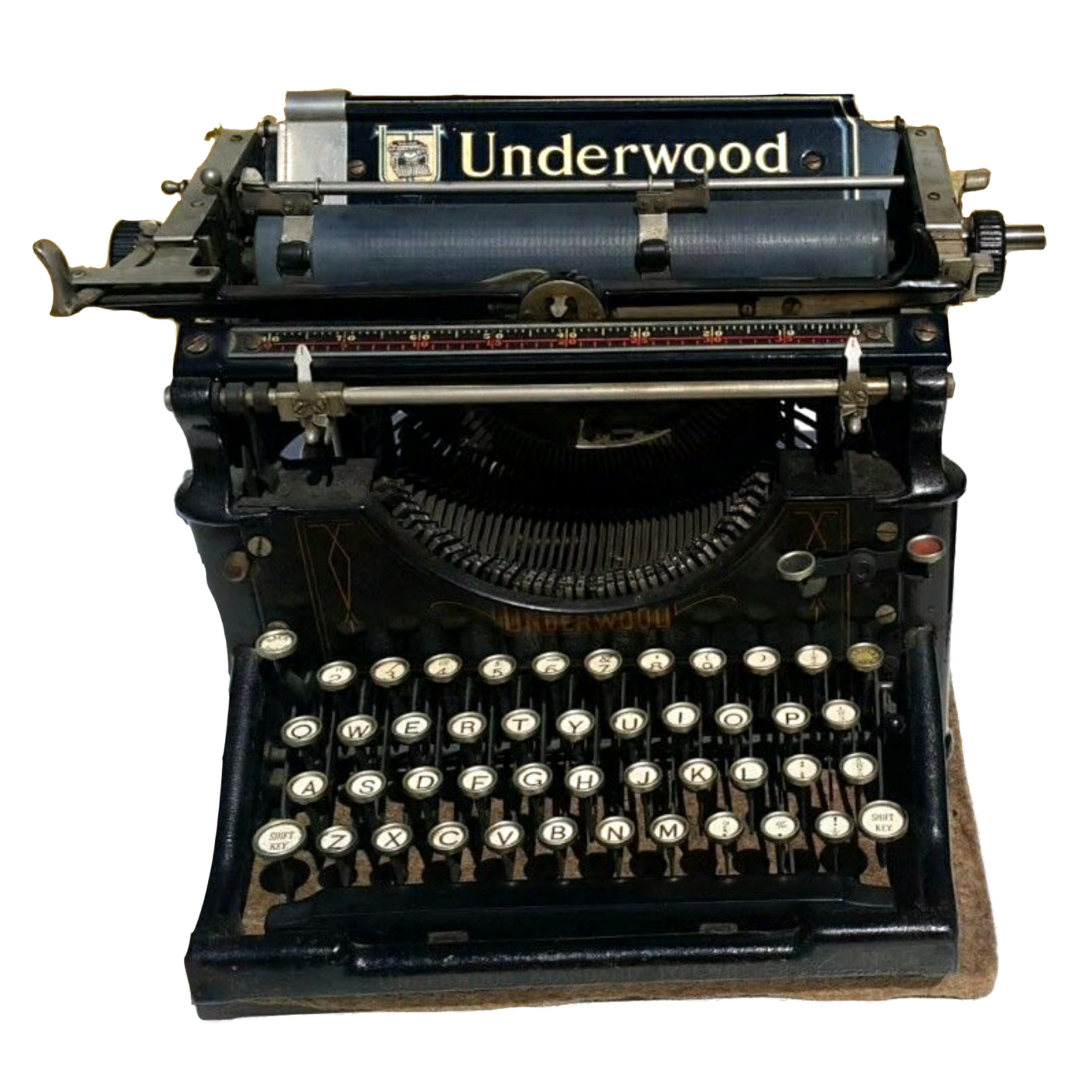
This week I have been reading about the finer points of punctuation in Lynne Truss’s excellent book, “Eats, Shoots and Leaves”[1]. Like her I groan inwardly at the greengrocer’s shop blackboard offering ‘potatoe’s’ and the nightclub poster proclaiming that ‘Thursday night is lady’s night’ (lucky lady). Ms. Truss admits to brandishing a cut-out apostrophe on a stick once in front of a cinema which was showing the Warner Brothers’ film Two Weeks Notice. Creative punctuation has become the order of the day. As Father Ted might say, “Down with this sort of thing!”.
As writers, of course we cherish the tools of our calling: vocabulary, punctuation, grammar … Nonetheless, I was intrigued to read this quotation by Dylan Thomas: “The best craftsmanship always leaves holes and gaps in the works of the poem so that something that is not in the poem can creep, crawl, flash, or thunder in.” In the same way, could it be that the spaces between our words might open windows of opportunity for the Holy Spirit to work? In my poetry I am just beginning to glimpse this in my decisions on punctuation, line spacing, rhyming schemes, and other structures, independently of my word choices. This may remind us of Romans 4:17 which speaks of “the God who … calls into being things that were not.” In another genre, I appreciated Allison Symes’ recent explanation in one of her Facebook posts that in her flash fiction writing she makes careful choices of character names, scene-setting, and clothing, to provide clues to her readers and spark their imagination.
Last year our youngest son was having great difficulties with his handwriting at school. His letters were squashed up, often illegible. His full stops were ornate and oversized. In Spring this year, his new classroom assistant, knowing my son’s penchant for TV action series and superheroes, suggested that he try spacing out his writing “so that Spiderman has room to spin his webs in between”. He also encouraged my son to alternate days when he felt he really needed to ‘shout’ his big FULL STOPS, with other days when he could manage small ‘quiet’ ones. Genius.

So, can God use spaces and punctuation to point us to salvation? In one of our ACW president Adrian Plass’s books (I hope that he will forgive me, as I have searched diligently but fruitlessly for the exact reference), a character mentions their friend being converted by a semi-colon in Leviticus. Obviously, this makes us laugh, but it could also lead us to muse whether the Holy Spirit might weave an unexpected miracle or two through the small quiet spaces of our writing. I find this possibility so amazing and encouraging. In the words of Zechariah 4:10: “Do not despise the day of small things…”. All I can say is, I know that our God of infinite snowflake designs and delicately designed dragonflies has it all in hand.

