
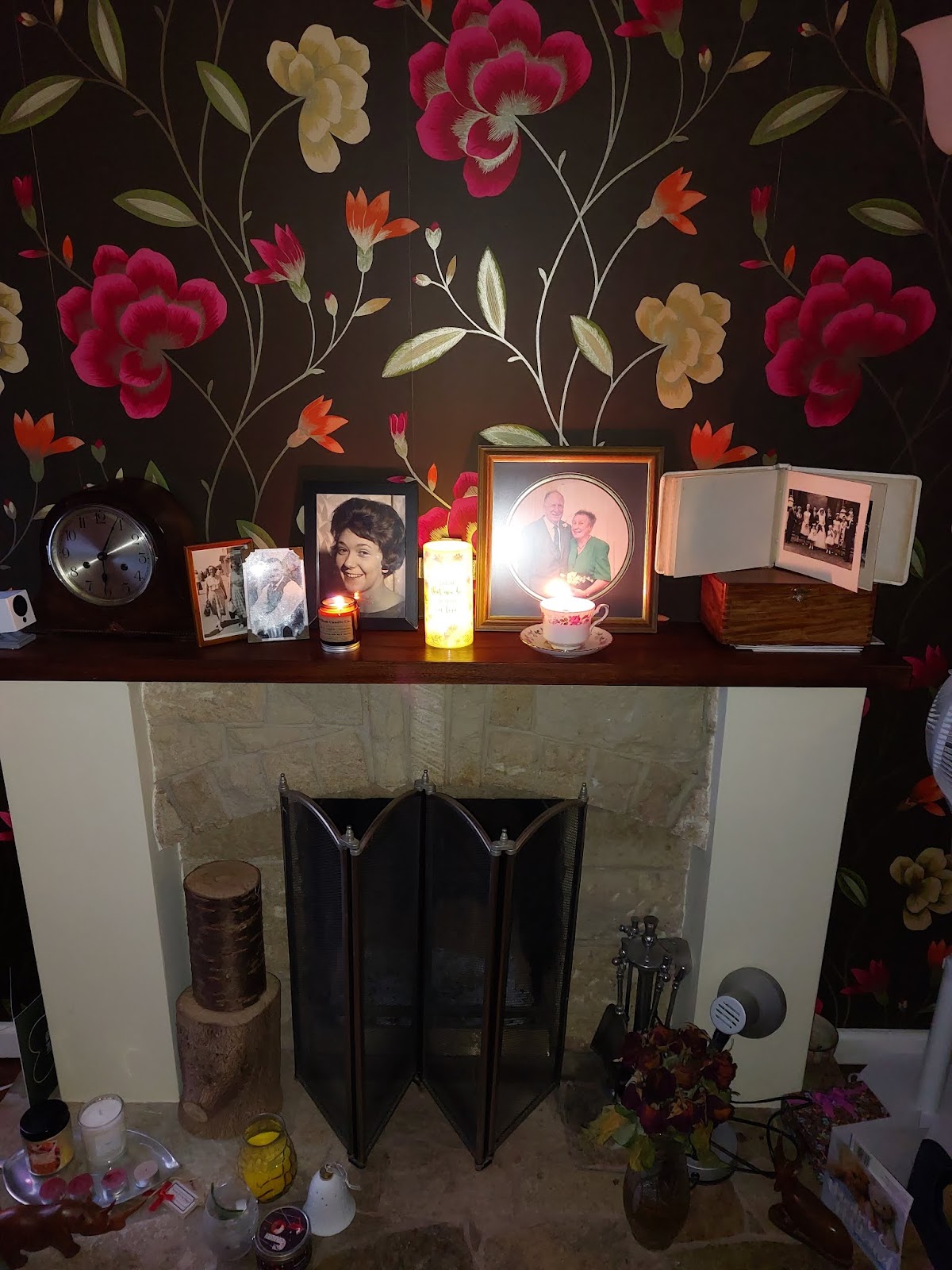
Over recent years, our family has started quietly marking
All Souls Day. This idea came from watching the film Coco, which is set around the
festival of the Day of the Dead and has a theme of the importance of remembering
our loved ones after they die. It’s one of those crossover cartoons aimed at
children but with so much for adults too, absorbing and beautiful. It left me
in tears. So we adapted one of the traditions, gathering photos on our mantelpiece
and lighting candles, which prompt reminiscence and togetherness.
It’s a season of remembering we’re all in. Later today, like
many, I will be marching in a Parade with my Boys’ Brigade Company before
taking part in the Act of Remembrace. I’ll be thinking of my dad, uncle, and
three cousins who all served in the Armed Forces, as well as two of my
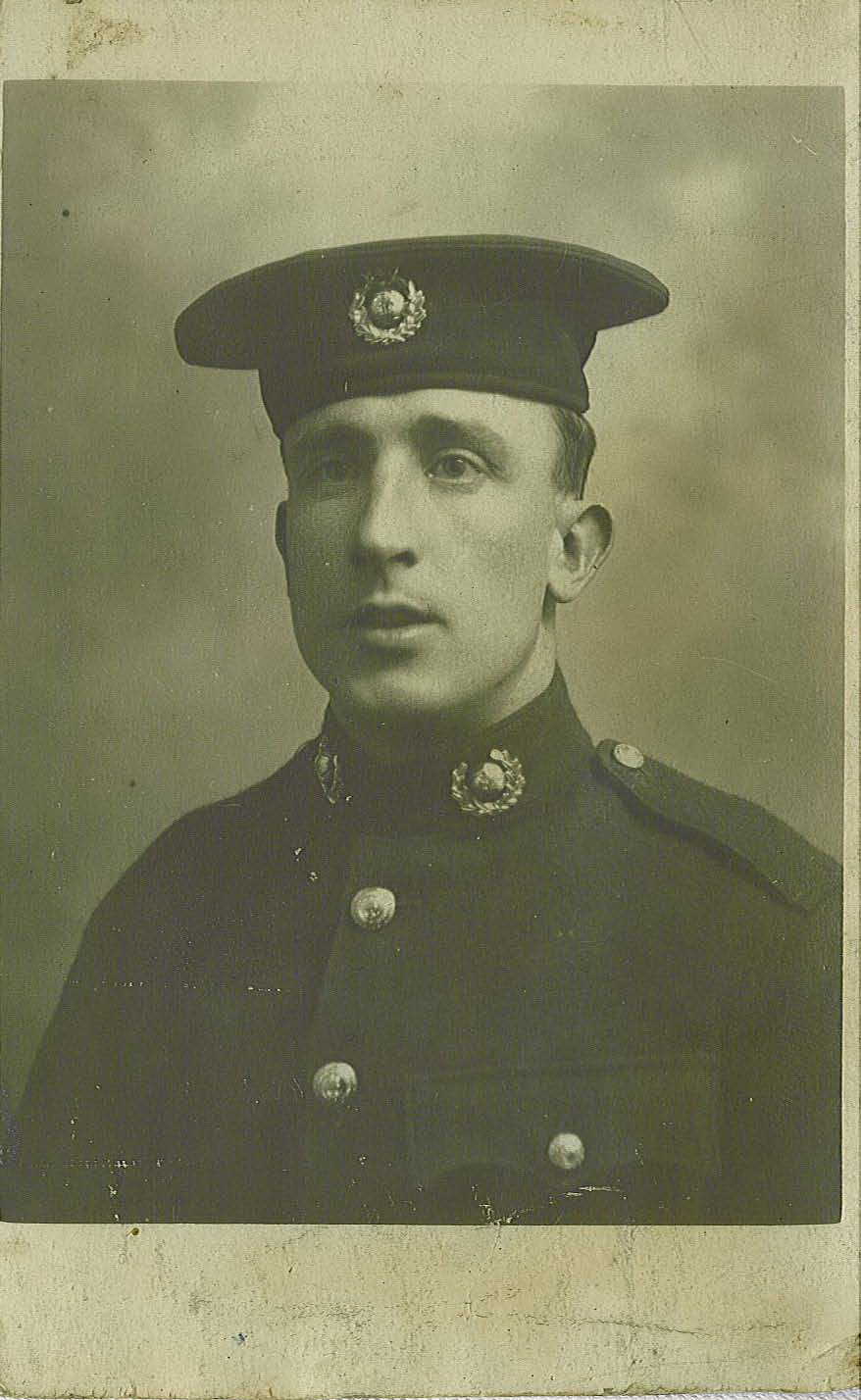
grandfathers who fought in World War One. I’ll remember my great uncle, a
career Royal Marine, who was killed on the HMS Princess Irene in Chatham docks,
when she was being restocked with mines and poor standards plus rushing resulted
in a devastating explosion.
We will listen to the familiar words of Laurence Binyon from
For The Fallen, although I find I can never decide whether the annual repetition
makes the words more or less powerful. I wish sometimes that other poems were
read alongside, as there’s such a wealth of war poetry that could be called on.
In fact, it was war poetry that first sparked my love for
the art. An English teacher introduced me to its power when we persuaded him to
read us Wilfred Owen’s Disabled. He cried at the line ‘Never again to feel how slim
girls’ waists are’, just as he said he would. Cruel class, we laughed – but I
never forgot the line. And I went on to read and love, whilst simultaneously horrified
by, Dulce Et Decorum Est – the punch of that one phrase ‘the old lie’. Other
war poets joined my shelves and I’m still discovering more: recently it’s been
Hedd Wyn (Ellis Humphrey Evans) and Isaac Rosenberg. Do check them out if you don’t
know them, especially with their Biblical imagery.
I think perhaps for us writers that recording our experiences
and emotions at times of pain, tragedy or loss may be our way of processing
those events. And I wonder if that was why the war poets were so prolific? We
find meaning in focusing on one condensed moment. Or a sense of relief at
pouring the feelings onto paper so there is breathing space in our heads again.
Or corralling the overwhelming with words contains it into something more manageable.
I know for myself that some of my most productive times for
writing, especially poetry, have been during bereavement. And if I publicly
share the painful times in a blog, these tend to be the posts that more readers
respond to. Writing about a personal tragedy honestly builds links between us,
like spider web necklaces dripping with teardrops instead of rain. It holds a welcoming
door open for someone else to tell their story. It gives us a means to ‘bear
one another’s burdens and so fulfil the law of Christ’ (Galatians 6.2).
And perhaps the results may be one of the ways God ‘intermingles
all things together for good’ (Romans 8.28).
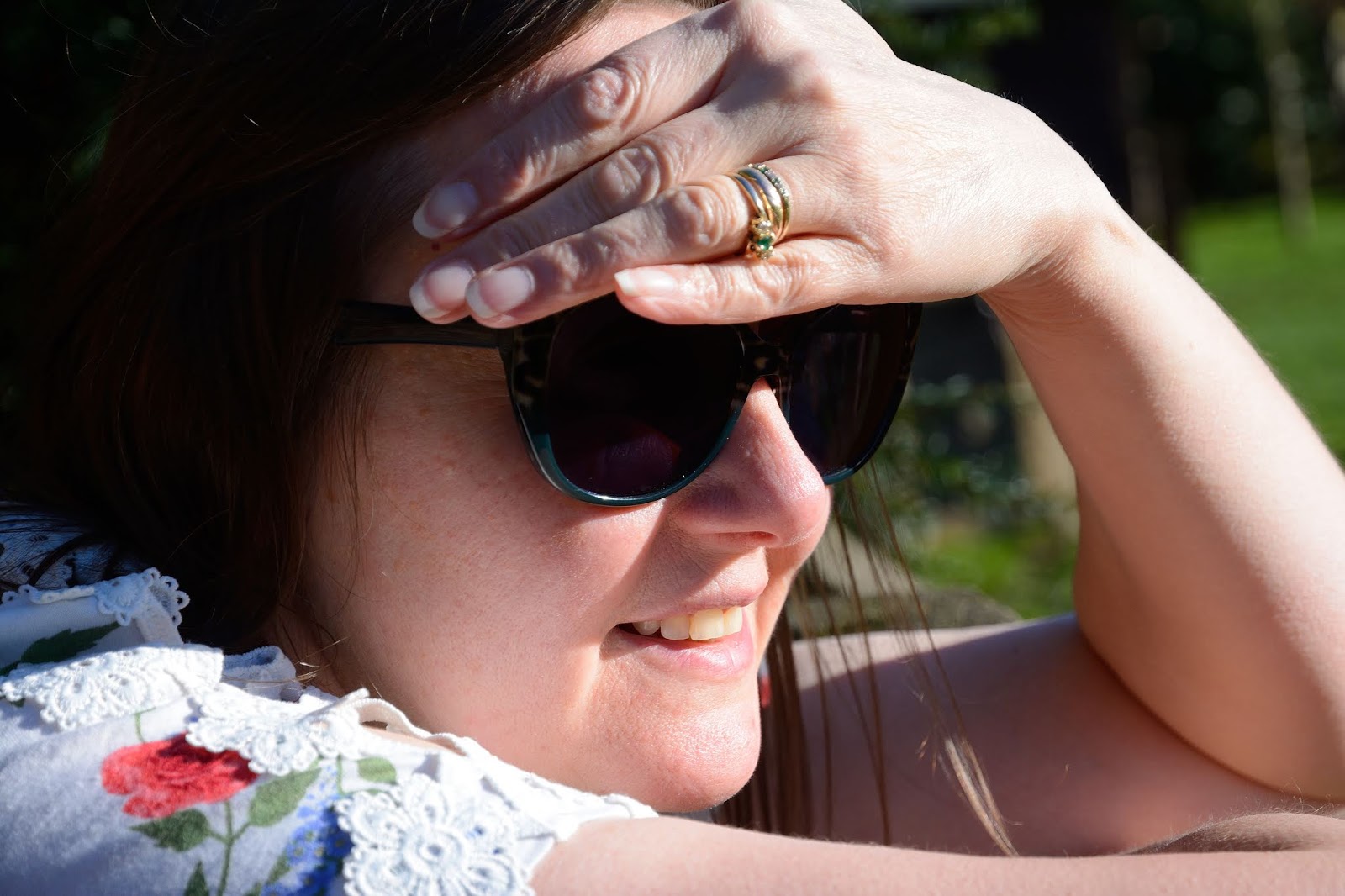
Liz
Manning fits writing around being an Occupational Therapist, BB captain, wife,
and mum to two adults. Or perhaps it’s the other way round. She blogs regularly
at https://thestufflifeismadeofblog.wordpress.com/,
has two WIPs and more ideas in the pipeline

