
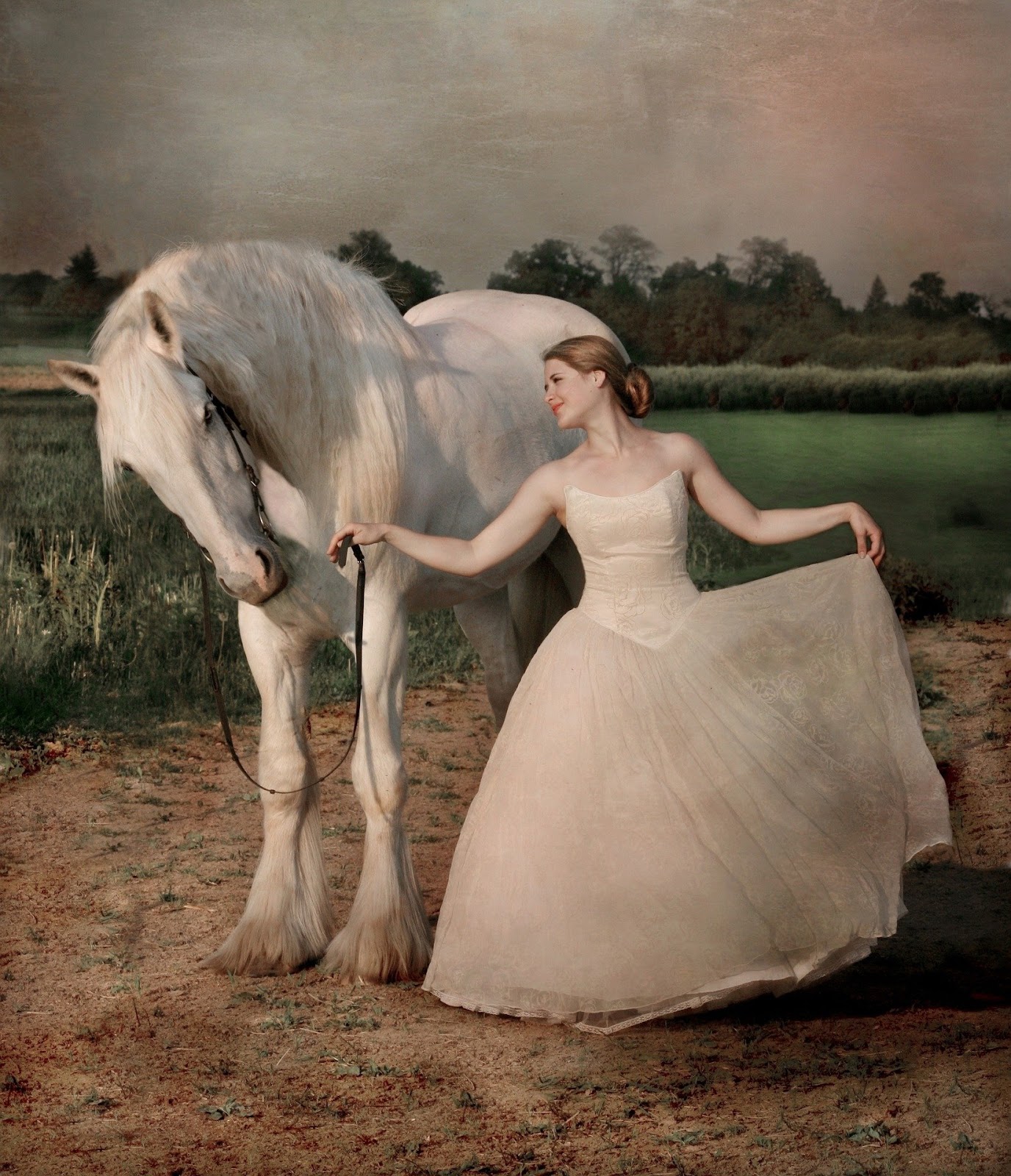
Image by Dorota Kudyba from Pixabay
I’ve been too tired and burned out to write anything much this past year. It’s not surprising. How can the global trauma we’ve all been through NOT have affected our souls and spirits, and our desire and capacity to create?
Not only have I struggled to write anything, I’ve found it hard to READ anything. I thought I would get through tons of books during lockdown. In truth, I’ve only managed to read one book all the way through, and that was a children’s classic, The Little White Horse by Elizabeth Goudge, which won the Carnegie Medal in 1946.
For those of you who’ve not read it, this is a gorgeous Gothic romance: the enchanting tale of Maria Merryweather, a feisty young Victorian orphan who together with her doting governess Miss Heliotrope and spaniel Wiggins, come under the guardianship of Maria’s cousin, Sir Benjamin Merryweather, the lord of Moonacre Manor. Maria soon learns that the mystical estate of Moonacre hides dark secrets and seems to be under a curse: the secret to unlocking those secrets and breaking the curse is Maria herself, the new incarnation of the fabled Moon Princess.
Goudge weaves timeless tropes and colourful characters into her story, not least the quasi-magical animals who seem to have interior lives of their own: Wrolf the dog who might be a lion, Periwinkle the pony, Serena the hare. The mysterious little white horse Maria glimpses in the moonlight lies at the heart of the mystery.
This was classic comfort reading – some elements of the writing are old-fashioned, but the lyricism of Goudge’s prose and the magical rhythm of the story carried me along.
Goudge’s deep-rooted Christian faith is a subtle presence in the story, expressed in the preaching of the ancient parson of Silverydew, the angelic singing of the villagers, the chiming of the ancient church bells, the devotion of the village children to the statues of the Lady and the Child, and the reclaiming of Paradise Hill from the spiritual darkness that has plagued Moonacre for so long. These spiritual elements are handled with a light touch: like those other famous Christian fantasy writers, JRR Tolkien and CS Lewis, Elizabeth Goudge understood the healing power of fairytales and how fictional magic can portray deliverance and redemption. It’s no surprise that The Little White Horse was a big childhood favourite of JK Rowling’s, who herself employs some biblical motifs in the final instalment of the Harry Potter saga.
Fantasy and magical realism are very much my thing (not the only things I’m into, but very definitely a thing). They may not be your thing. Which of course is fine.
So what do you, as a writer, enjoy reading? I take it that we all read the kind of books in the same genre as we aspire to write in. But I’m also guessing that we read other genres as well, because it’s good to read widely … that, too, stretches us as writers and opens up other, different, worlds, whether fiction or non-fiction.
We should all write the kind of books we ourselves want to read.
So, in these turbulent times, follow the mysterious white horse of your imagination to realms that have yet to be discovered … by both you and your readers.

I am an administrator for the education and learning office of the United Reformed Church and a lay preacher in the Church of England. I wrote a devotional for the anthology ‘Light for the Writer’s Soul’, published by Media Associates International, and my short story ‘Magnificat’ appears in the ACW Christmas Anthology ‘Merry Christmas Everyone’.

