
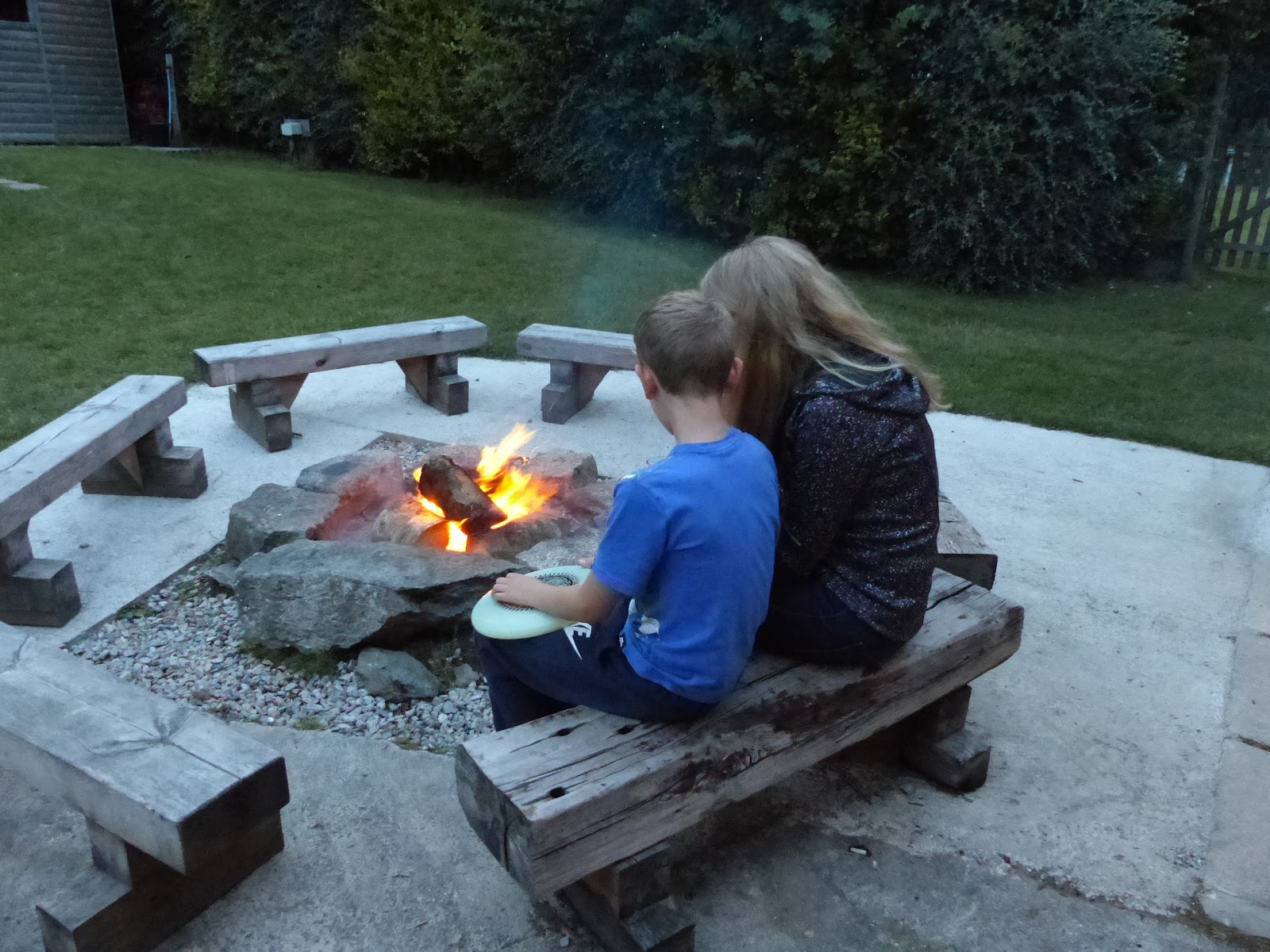
Summer’s lingering on but the nights are drawing in. Imagine
the flicker of a fire just inside the entrance of a cave. Imagine people gathering
around as the evening offers a chilly breeze. A father ruffles his son’s hair. A
mother puts her arm around her sleepy daughter, drawing her closer. A child
snuffles. A baby whimpers. And then, in the comforting presence of companions, the
storyteller begins. Today it’s a tale about huntsmen creeping through the
forest, and a perfectly white stag that stares, haughty and challenging, then disappears
into the fading light. Is he the bringer of good fortune or bad? The
story-teller smiles. At this point, he alone knows the answer.
Humans have always loved stories, identifying with the
hero and being taken on an adventure. Tales of ships in stormy seas, travelling
beyond the horizon. Pirates burying stolen gold in the sand. Perhaps the most
famous of these is Treasure Island. Originally serialised in the children’s magazine
Young Folks, from 1881 through 1882, under the title Treasure
Island or the mutiny of the Hispaniola, it was credited to the
pseudonym “Captain George North”. How much more enticing is that than
the name Robert Louis Stephenson?
Over the last seventy years adventure writing for children
has progressed in leaps and bounds. I grew up with the Secret Seven and the Famous
Five, and adventures set in boarding schools, where there were plenty of chums
and lots of mysteries to be solved! I still love reading adventure stories for
kids. One of my favourites is Journey to the River Sea, by Eva Ibbotson. It’s
about Maia, an orphan, who can’t wait to reach her distant relatives a thousand
miles up the Amazon. Instead of her imagined loving family, she finds two
spiteful cousins who see the jungle as the enemy. Maia meets a mysterious boy
who lives alone on the wild river shores, and she begins a journey which takes
her to the heart of her extraordinary new world.
We may not all have the chance of, or indeed the
inclination for, worldly travels of our own. There’s one inescapable adventure
that God offers us though.
The adventure
that is life
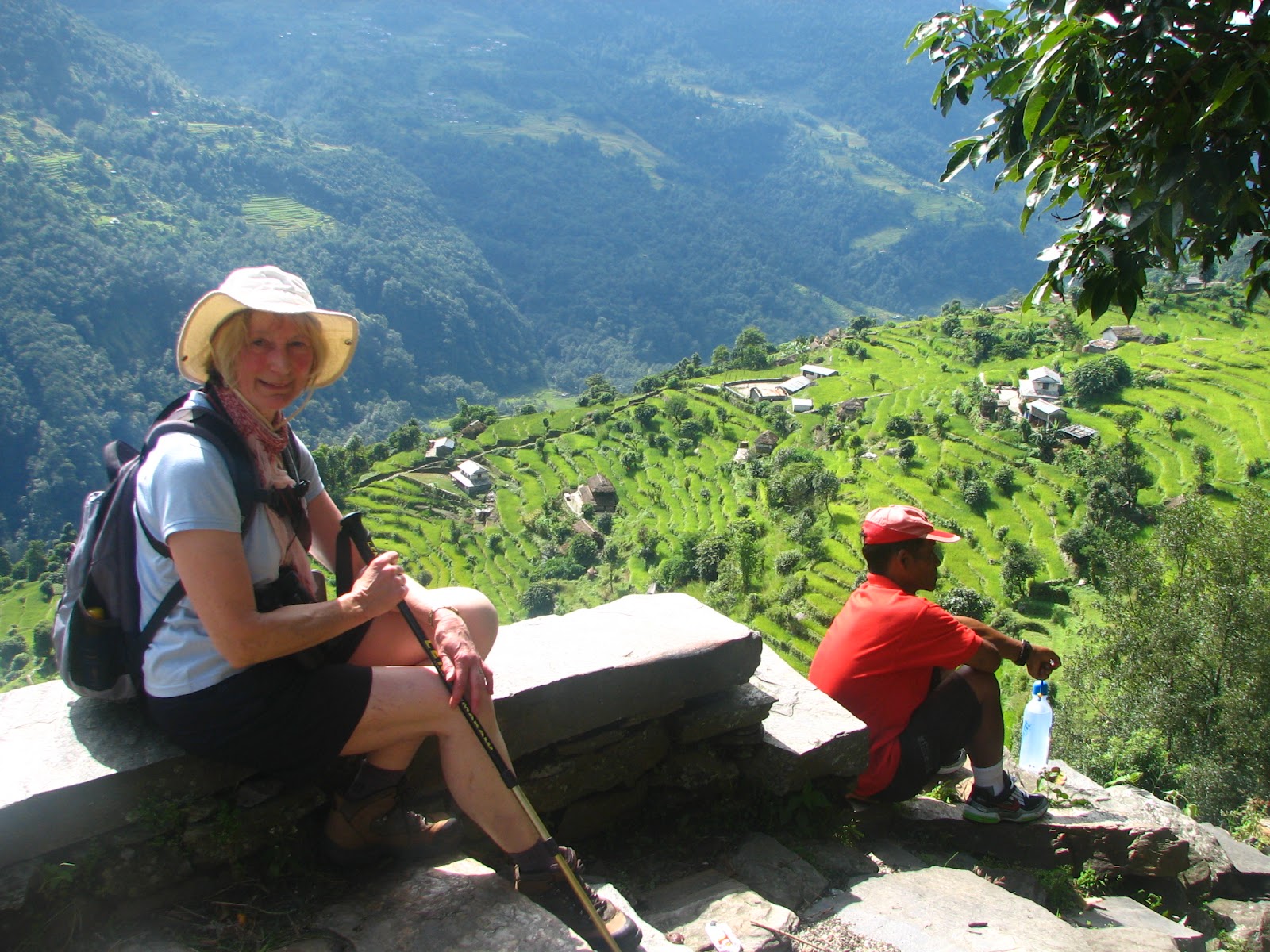
What an Olympic mixture that is too! Sometimes it can seem
like BMX biking, leaping over hurdles, pole-vaulting and running the marathon
all rolled into one. We may not often come away with a medal either.
There are steep learning curves, opportunities taken or
lost, hazards and disappointments, as well as moments of achievement or
delight. Do you agree that messing up seems to be an unavoidable part of our
journey?
As a child my parents brought me up to accept what they
said without question, and in those days we were by law children up to the age
of twenty-one. I want you to know that basically I was a very obedient child. The
thought that I might have an opinion of my own was squashed out of me, in a way
that is totally incomprehensible to my grandchildren, who have their own
wonderful opinions on everything.
Now I know it’s good to ask questions, to puzzle over
things I’m expected or asked to believe. Freedom of thought is important to me.
When I search for answers or look for inspiration, there is God, nudging me
forwards, not laughing at me, or telling me to grow up, to stop being silly.
I am very much a Thomas when it comes down to it, and when
life is at its toughest, God can seem very far away. I was at Derriford
Hospital in Plymouth, at 8.30am one recent Sunday morning, waiting for my
husband who had an appointment at the MRI scanner. He’s a stroke survivor, left
with some damage to his brain which means he thinks slowly and often can’t find
the words he needs. There was no room for a carer inside the unit, so there was
a certain amount of praying going on inside our car. Then astonishingly, a red
double decker bus pulled out of the public transport area in front of the
hospital doors. On the side I read the words
Every journey taken care of
and it reminded me that life itself is a journey, and
trusting God is a gift that may falter but will never be taken away.
May we as
writers have the courage to forge new pathways into the world of the
imagination and take today’s readers on astonishing adventures they hope will
never end.
Veronica Bright loves telling stories. As a former reception
class teacher in a Cornish village primary school, the best part of the day was
gathering the children together and making up all sorts of amazing things. Her
pupils probably believed there was an elf living in the cupboard, and that the
spider who frequented the sink had the power of speech. They inspired her
non-fiction books for collective worship and many of her prize-winning short
stories, now self-published in three collections.
She blogs monthly on her website at http://www.veronicabright.co.uk

