
Language is a living thing. New words appear and old ones
fade away. Words that have always been in the dictionary but lain low will
suddenly come upon everyone’s tongue, and their meanings bend and morph. Language
is changed, amongst other things, by current events. In December last year, on my
own blog, Write
On, I listed some of the words that have burst into our vocabulary because
of Coronavirus. Revisiting them five months on is revealing.
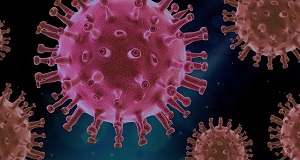
|
Coronavirus |
Coronavirus is a generic term for a group of viruses, |
|
Covid-19 |
Or just Covid. (SARS-CoV-2.) |
|
Pandemic |
An outbreak of a disease that occurs over a wide geographic area (according |
|
Lockdown |
Stay at home. You |
|
Self-Isolate |
You can’t go out at all. But people fetch your shopping, collect But this term has lapsed. |
|
Shielding |
We now talk about people ‘shielding’. In spring 2020 |
|
Vulnerable |
Elderly or with a chronic health condition. |
|
Underlying Health Condition |
Used a lot at the beginning, usually in the context of Now we say ‘vulnerable’ (see above). |
|
Furlough |
Percentage of salary paid by Government, for not working |
|
Tiers |
Degrees of severity of Lockdown. We don’t have these anymore, thank |
|
The Virus |
Still used frequently. Remember how, a few years ago, doctors used to say ‘It |
|
Social Distance |
2m or 1m with a mask. The term is still going strong but how |
|
Key-workers |
People who’s jobs are essential in keeping the country ticking |
|
Sanitise |
Rub gel all over your hands. Remember how last March we |
|
Safe |
Not infectious (with Covid germs). Remember when young people used to say ‘Safe’ when they |
|
Bubble |
Group of people (not family) who see each other regularly |
|
Zoom |
To video-conference. |
|
Muted |
As in ‘You are on mute’. See Zoom above. |
|
The Numbers |
… of deaths due to Covid per day. |
|
Test |
We only talk of tests in the context of Covid, but we’re |
|
Jabs |
As for tests, only in one context, but we can all rattle |
|
Variants |
Of The Virus. Eg South African, Kent. |
Mark and inwardly digest these words. They will stay with
us. Our parents and grandparents still rattle
off Second World War words acquired during World War 2. It’s part of who they
are. For us, the Covid generation, the words above will become part of our identity.
Rosemary
Johnson has had many short stories published, in print and online, most
recently at The Copperfield Review, 101 Words, Fictionontheweb and Café Lit. She has also written a novel about the Solidarity
period in Poland which she is – take deep breath – trying to get
published. In real life, she is a
retired IT tutor, living in Suffolk with her husband and cat.

