
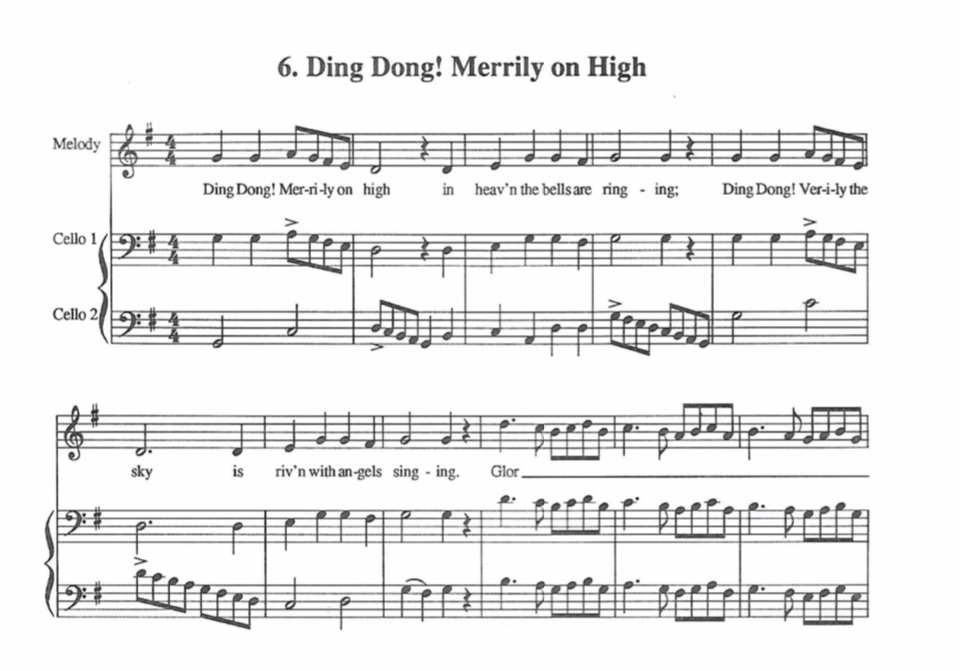
I am scratching away at Christmas carols trying to create a recognisable tune on my cello. Playing the cello all but disappeared from my life for an emotional year, along with writing novels. I used to play in church, reading chords to provide something of a bass tune. I am hoping the carols will ease me back into playing in the same way that NaNoWriMo has eased me back into creative writing.b
As I play I am distracted by the words – many of them so old and familiar, co-dwellers in my brain with nursery rhymes, a school hymn, a Winnie-the-Pooh speech I learnt with my sister to perform to the assembled family one Christmas, and choruses from Sunday School. ‘A sunbeam, a sunbeam, Jesus wants me for a sunbeam’ springs to mind. Why? Was I no good at being a little girl? Did Jesus want me to die so that I could come back as a bit of light?
Don’t get me wrong – I love metaphor, analogies, similes and beautiful allegorical tales that prove to be hidden versions of the greatest story of all. Even writing this has made me think I must read the Narnia books again. But as a small child, I would have felt surer of singing that song if the words had made sense to me from the beginning.
In fact, isn’t that a rule for all communication? The listener or reader needs to be able to understand – we may have the best metaphor in the world but if our readers have to stop to work out that meaning it would interrupt the flow. Obviously, this depends on your audience – many a teenager is put off Shakespeare because of having to study it so closely at school to discern the real meaning of the words as well as, sometimes, the intention of Shakespeare when writing it. Perhaps his intention was simply to earn money from using his talents to entertain others.
On the other hand, some literature is so wonderful that it is well worth stopping to work out a particular phrase, and why the simile is there and what it does. I can read Malcolm Guite’s poetry over and over, relishing his use of language, rhythm and style and often noticing something new. Doing this will aid us as writers, even if it not accessible to some people.
So for whom do you write, how is your writing shaped to that person, will they understand what you are saying? It takes practice to get the balance right, the words fluid, the metaphor appropriate so that the reader says ‘that’s beautiful’. In the same way, I need practice to turn the carols from a scratchy series of notes to a flowing tune or a humble bass line until I have something beautiful to offer to God whenever our music group meet next.
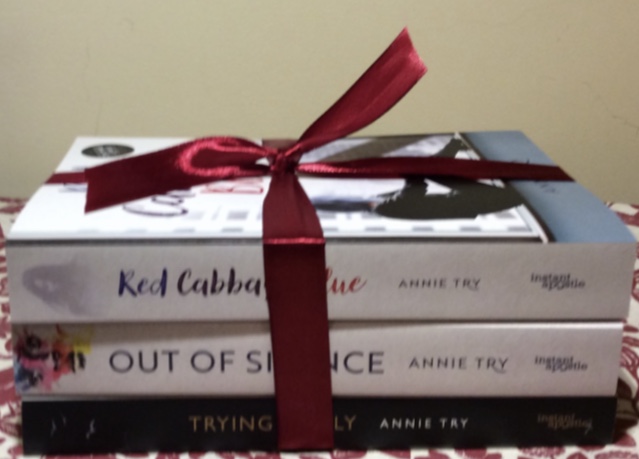
Annie Try is the pen-name of Angela Hobday, who writes the Dr Mike Lewis stories. Mike is a fictional clinical psychologist who has his own issues but seeks to restore the mental health of his clients. These are tales of courage, mystery and triumph.

