
Our niece got married
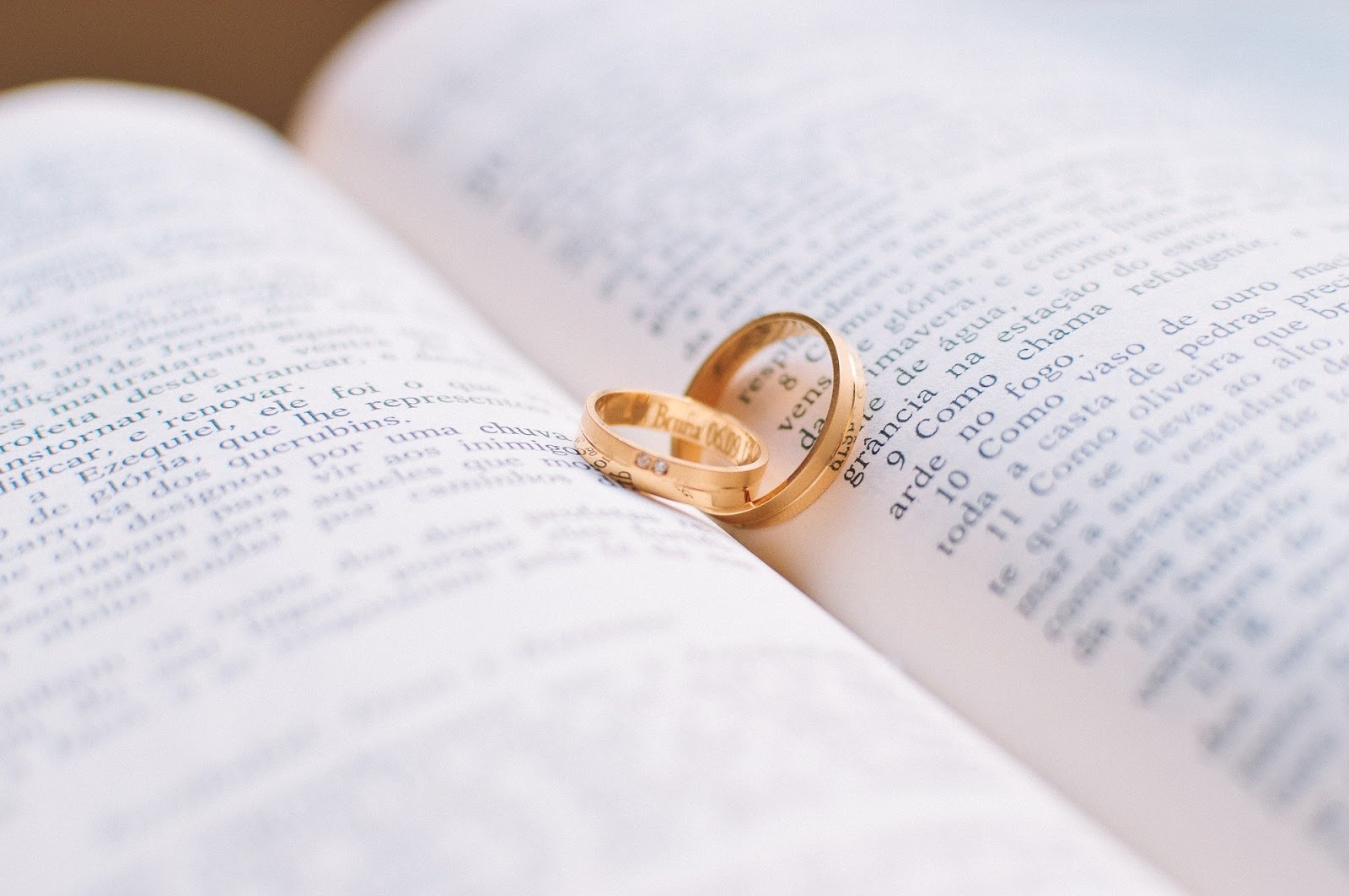
yesterday. The service was lovely, the bride looked radiant and the dress was
stunning. And because we’re in the middle of December, the church was
beautifully decorated with twinkling lights and a Christmas tree. It was a very moving experience
and we were delighted to be able to celebrate with them.
Except, of course, this
is 2020. In any other year, we’d have been dressed in our best clothes, waiting
in a church filled with friends and family for the bride to arrive. Instead, we
sat at home and watched our niece say “I do” via a computer screen.
What has this to do
with writing? Well, it strikes me that good writing will not leave the reader
observing at a safe distance, but will transport them into the heart of the
scene. A great way to do this is to involve the use of our senses. If I’d been
physically present at the wedding I’d have been able to tell you how the
fragrance of pine permeated the atmosphere (and maybe set off my
hay-fever). I could describe the hardness of the pews, and how I had to hug my
mother-in-law carefully so as not to crush her corsage.
Sight and hearing would
also have been enhanced had I been in the room rather than dependent on the
camera operator’s view of the ceremony. The subtle rustle of the bride’s dress
as it trailed across the tiled floor. An elderly relative surreptitiously
reaching for a tissue as the happy couple were pronounced husband and wife. (I’d
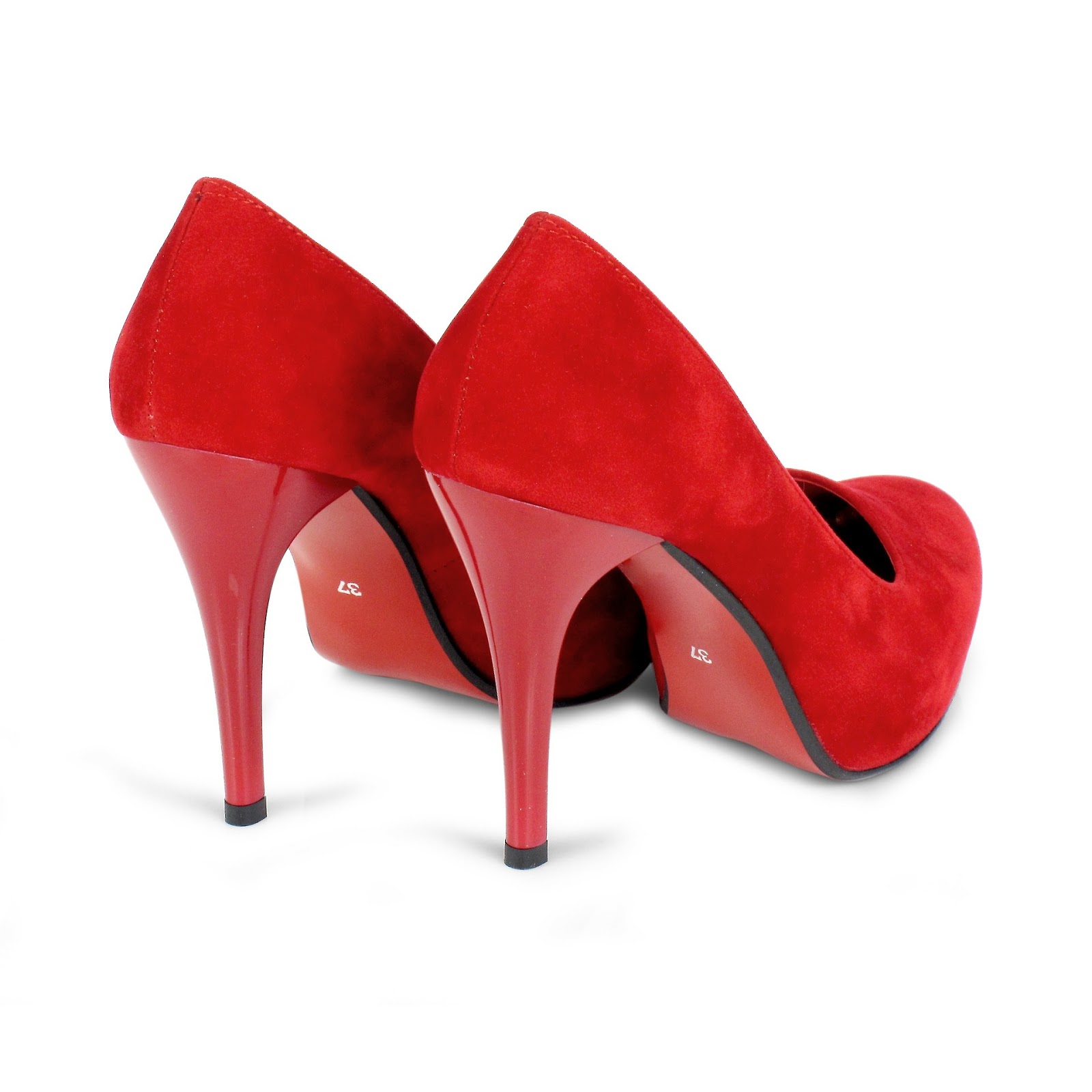
also have been able to moan about how uncomfortable my smart shoes are, and how
I had to balance on my toes during the photos in order to stop my heels from
sinking into the rain-softened ground outside the church.)
Good non-fiction makes
use of this technique, too. It’s much easier to get a point across if the
reader is invited into the narrative. I think of Brennan Manning in The
Ragamuffin Gospel recounting his experiences at an AA meeting, or Liz Carter
describing a hospital stay in Catching Contentment. And have you ever noticed
how many charities make use of a detailed story to promote their work rather than
simply relying on facts and figures?
So, whatever we’re
writing, let’s invite our reader into the scene along with us rather than
leaving them to observe at a distance.
Would you like to join in?
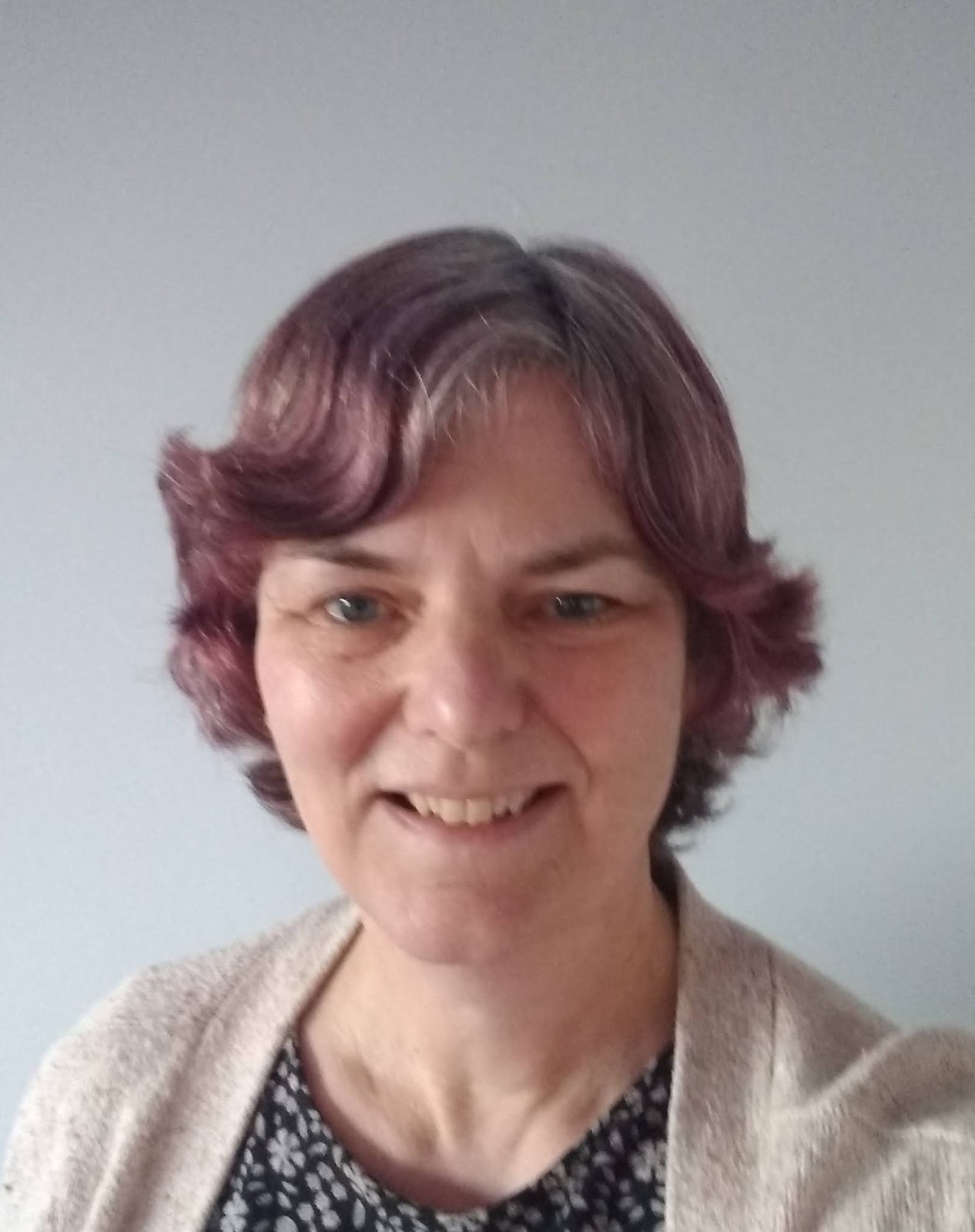
Fiona Lloyd is Chair of the Association of Christian Writers and is married with three grown-up children. Fiona is the author of The
Diary of a (trying to be holy) Mum, published by Instant Apostle, and is
currently working on a sequel. Fiona has also written for Woman Alive, Christian
Writer and Together Magazine. Fiona works part-time for Christians Against Poverty.
Twitter: @FionaJLloyd &
@FionaLloyd16

