
When I was a little girl, growing up a village in West Essex, entertainment for entertainment’s sake was thin on the ground. Everyone else had a TV apart from us. This made watching telly an absolute thrill, even in the days of three channels and precious little specific programming for the younger audience. We spent most of our time outside with our friends, playing games, roller skating, engaging in marathon sessions of Top Trumps in our big apple tree (you could fit eight children in it) and generally enjoying each other’s company. Apart from board games, the only other way to pass the time was to read. I learned to read when I was about three and a half (I can still remember the exact moment) and honed my skills at the local primary in Class One with lovely Mrs Hubbard and her gentle lilting Welsh accent.
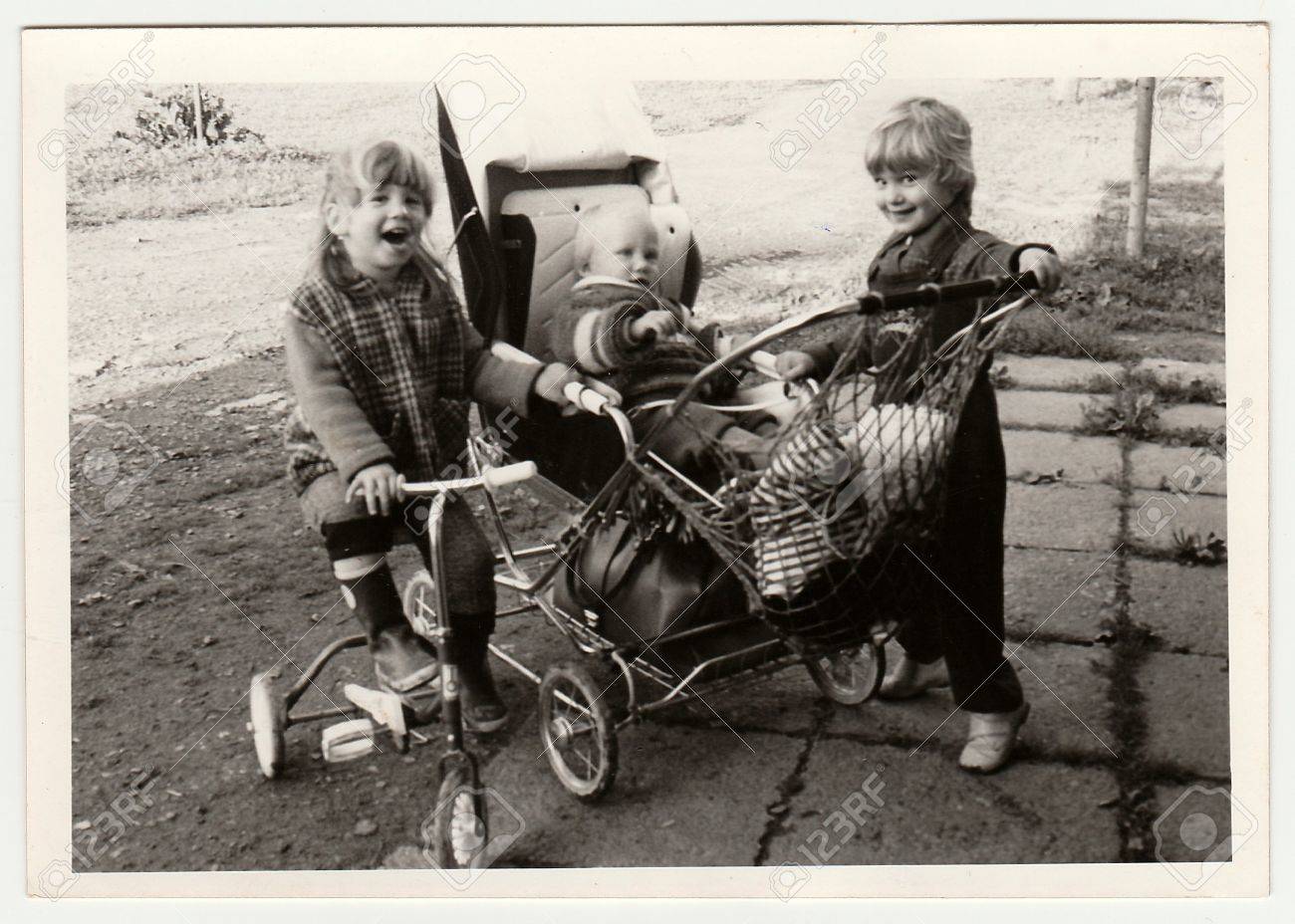
Church was a big part of our lives. Every Sunday morning, my grandmother (who lived at the bottom of the road), my mother and the two of us would walk from our house across the Green to the Baptist Church. It was probably about half a mile. There, I felt safe and happy. We sang, we heard stories from the Bible and then we went out to our classes, which I loved. At the same time, my father would be driving another local church (if he was playing the organ) or worshipping at the Anglican church across the Green from us. There was nothing odd about this in our minds. Mum had been brought up a Presbyterian and Dad a Methodist and when they married and moved to the village, the Baptist Church and the C of E were the closest to their traditions. This is what happened.
At the back of our 1950s semi was a smallish, chilly room always referred to as The Extension. It was built in 1971 when I was five and right up until March last year when my parents moved to Suffolk, we still called it that. I would often retreat there with a book, more often than not, my Bible which contained two books I absolutely loved. For obvious reasons, one of them was Ruth, while the other was Esther. As a child, clearly, I didn’t get some of the references in what is quite a violent book. Aged around seven when I first came across it, I was drawn in immediately by the narrative style.
“This is what happened during the time of Xerxes….”
I loved that. People whose names began with X were relatively rare in Essex and this man had two. Also, the first four words were pleasingly specific. I always felt a bit sorry for poor Queen Vashti (another cool name). So what if she didn’t feel like going to see the King? She might have had a headache, or a really bad spot, or dandruff. Things really livened up, however, when I arrived at the description of the court. “The garden had hangings of white and blue linen, fastened with cords of white linen and purple material to silver rings on marble pillars. There were couches of gold and silver on a mosaic pavement of porphyry, marble, mother-of-pearl and other costly stones.”
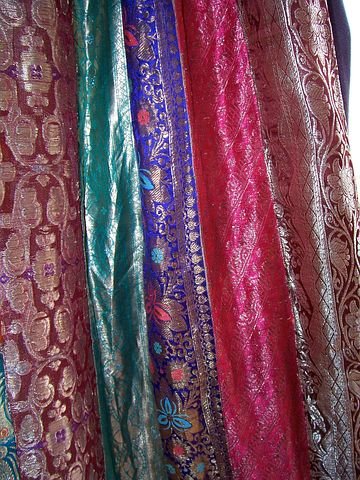
This thrilled me to the core. White and blue linen! Purple material! Silver rings on marble pillars! Lying on my front on the green swirly carpet in The Extension looking up at the Artexed ceiling and the orange and cream striped curtains, it was hard to imagine a world where such lavish interior decoration was the norm.
When Esther appeared on the scene, things really started to happen. I had no idea what a harem was, but I was struck by the fact that this young girl was given beauty treatments and special food. Uncle Mordecai, the man who seemed to spend all his time at the King’s gate (I pictured our own gates on the drive leading out to the cul-de-sac) was brave and principled. I liked him too.
The villain, Haman, had the dullest name in the whole book in my opinion, and quite right too! The bit about the impaling poles passed me by, and I would read the words with huge excitement until the moment when Esther bagged the King. Even then, we were only halfway through the action. Plots! Double-dealing! Golden sceptres! It was brilliant. Still is.
Perhaps children are naturally bloodthirsty. Haman’s gruesome end didn’t bother me at all. He had been bad and he deserved it. By the time we got to the happily ever after ending (Esther safely installed in the palace with licence to touch the King’s sceptre whenever she liked, Uncle Mordecai finally leaving the gate and embarking on a life of social action and the Jews safe from persecution), I would heave a deep sigh of satisfaction. That is what happened.
Back then, I didn’t know that Scripture was God-breathed and that He had a plan for me, which would lead to me sitting here, right now, writing this blog. He loved all the little children, all the children of the world. I knew that. I hadn’t cottoned on to the fact that he loved me, specifically, passionately, like a daughter. Sometimes, I still have trouble with that one. Really? Me? Are you quite sure?

Did drinking in the story of Esther at such a young age influence me? You bet it did. I always loved the stories we were told at Sunday school – Noah and the ark, Jonah and the whale, Samuel in the temple. Esther, oddly, never came up. But that was OK. I had The Extension and the white linen and purple material.
This is what happened.
Images by 123RF, Pixabay and Unsplash
Ruth is a freelance writer and novelist. She is married with three children, one husband, four budgies, six quail, eight chickens and a kitten. Her first novel, “The Diary of Isabella M Smugge”, published by Instant Apostle, comes out in March 2021. She writes for a number of small businesses and charities and blogs at Big Words and Made Up Stories. Ruth is a recovering over-achiever who is now able to do the school run in her onesie most days. She has abnormally narrow sinuses and a morbid fear of raw tomatoes, but has decided not to let this get in the way of a meaningful life. You can find her on Instagram and Twitter at ruththewriter1.

