Despite having known of her all my life, I’d never actually read Corrie ten Boom’s The Hiding Place – until this week. I’m sure you don’t need me to tell you what an amazing story it is.
Some perverse instinct made me look up the reviews on Amazon. Eighty seven percent give it five stars. Then an even more perverse instinct made me look at the 1% of one-star reviews …
-
“Outer cover and pages were uneven and not cut properly to size.“
- “The binding began to unravel before I was done reading the book.”
- “The pages are all yellowed/brown. Library stickers on cover, front spine and back. Very, very disappointed!!”
In other words, things that are entirely outside the control of the author and say nothing at all about their writing. Why can’t readers understand that?
But most baffling of all, from the four percent of three-star reviews:
- “The story was good but it became too heavily religious towards the end.”
Yer what?
This book, which was all about how a woman’s religion enabled her to survive Ravensbruck and launch a ministry of forgiveness and reconciliation – all of which happens at the end of the book – gets too religious at, um, the end of the book?
At what point did you miss the point?
But enough of this. It’s not new. It’s happened to me and if you’ve had a book published then it has probably happened to you. If you have yet to have a book published, brace yourself now.
Here’s the harsh fact. There will be readers who just don’t get it and there is no defence against them. No matter how few syllables you use, how obvious you think it is … it will go over someone’s head. They will then complain about it and make out it’s your fault.
I could give you the usual advice on not responding to bad reviews but will save my breath. (For just a couple of choice reasons why not, see How not to handle bad reviews and Author meltdown).
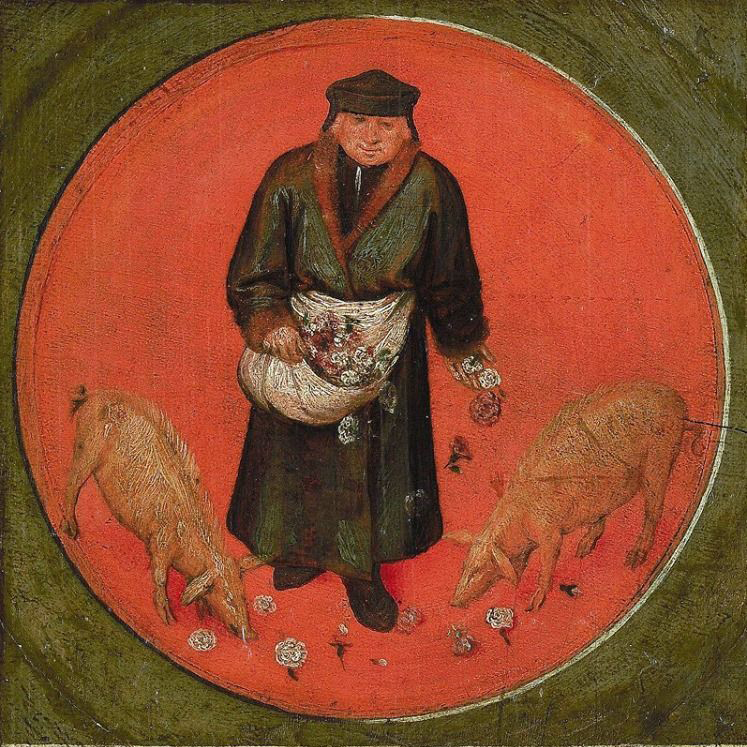
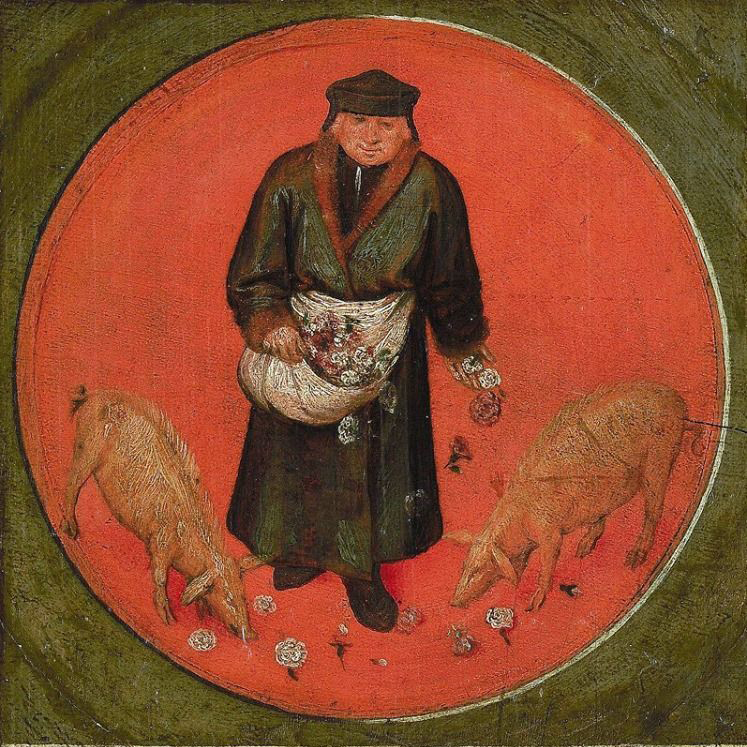
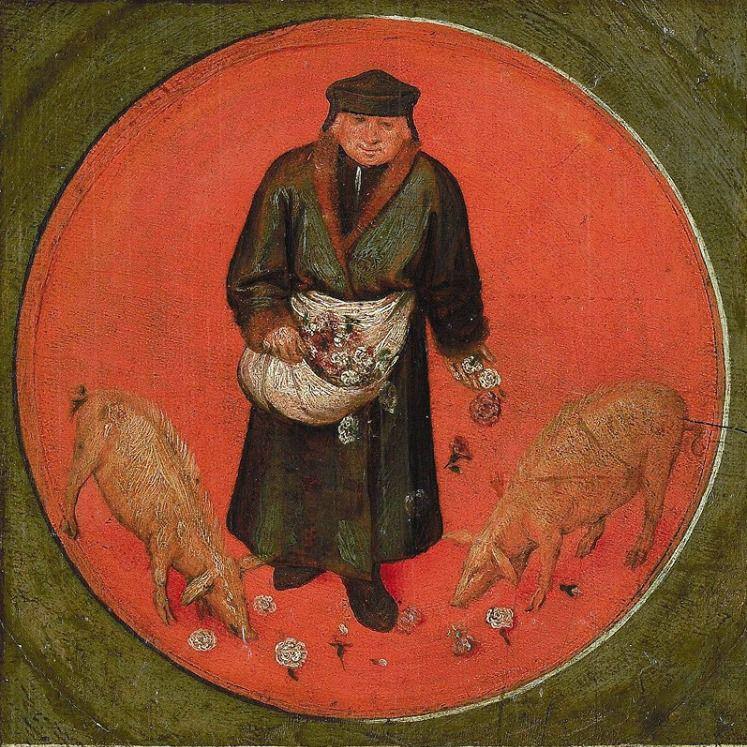
Instead, take advice from the top. Some of Jesus’s advice from the Sermon on the Mount could have been written for a disgruntled author as well as the slightly more life-or-death cases Jesus actually had in mind. A bit later in the same sermon Jesus gives us another expression that has entered the language and which also works here.
Paul describes the attitude we should have in our writing: “So whether you eat or drink or whatever you do, do it all for the glory of God.”
This isn’t to say you’re beyond improvement. You almost certainly are not. But we are all in ACW because – I would guess – we all feel some kind of God-given call to write. To create new stuff. To tell stories. God wants our best, so if you can honestly say that every word of yours the public gets to see is the best thing you could have written at that time then you have done your bit. If God wants to use it then he will.
Meanwhile, learn and keep learning.

Ben Jeapes took up writing in the mistaken belief that it would be easier than a real job (it isn’t). Hence, as well as being the author of 5 novels and co-author of many more, he has also been a journal editor, book publisher, and technical writer. www.benjeapes.com