
I’ve been listening to Andy Serkis’s #Hobbitathon, a live
stream charity reading of the The Hobbit https://www.gofundme.com/f/thehobbitathoncovid19appeal.
He’s spontaneously inventing accents and voices and song tunes. It’s
unrehearsed and unedited, with the actor stumbling over sentences and sometimes
losing his place. It’s no audiobook but it’s glorious.
There’s something so magical about having a story read to
you, isn’t there?
I think back to primary school, sat on the floor in the
corner of the classroom for Little Grey Rabbit or Charlie and The Great Glass
Elevator – favourites for both children and teachers.
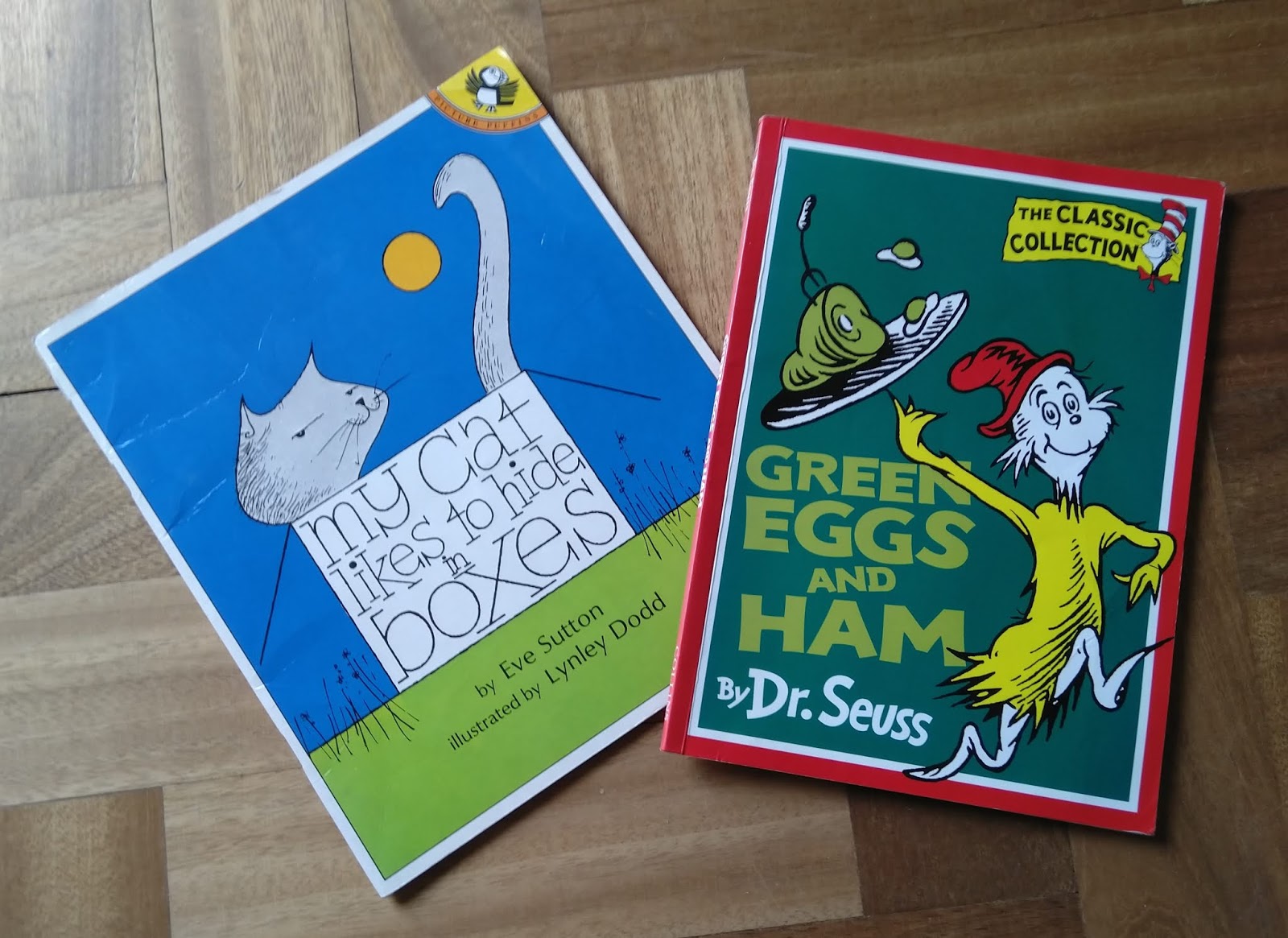
How I loved to read to my own children. I can still quote the
rhyming books – Hairy McClary, My Cat Likes to Hide in Boxes, and of course Dr
Seuss. Visiting Seuss Landing at Universal’s Islands of Adventure, my boys were
unimpressed by the novelty of a green eggs and ham roll as they were so used to
ours! I look back and wonder if these books seeded my younger son’s talent for
song writing.
The Harry Potter saga were the final bedtime stories I read to
my older son. He admitted afterwards that he had been secretly reading ahead on
his own but didn’t want to spoil the shared experience.
Storytelling does that: builds bonds between teller and
listeners.
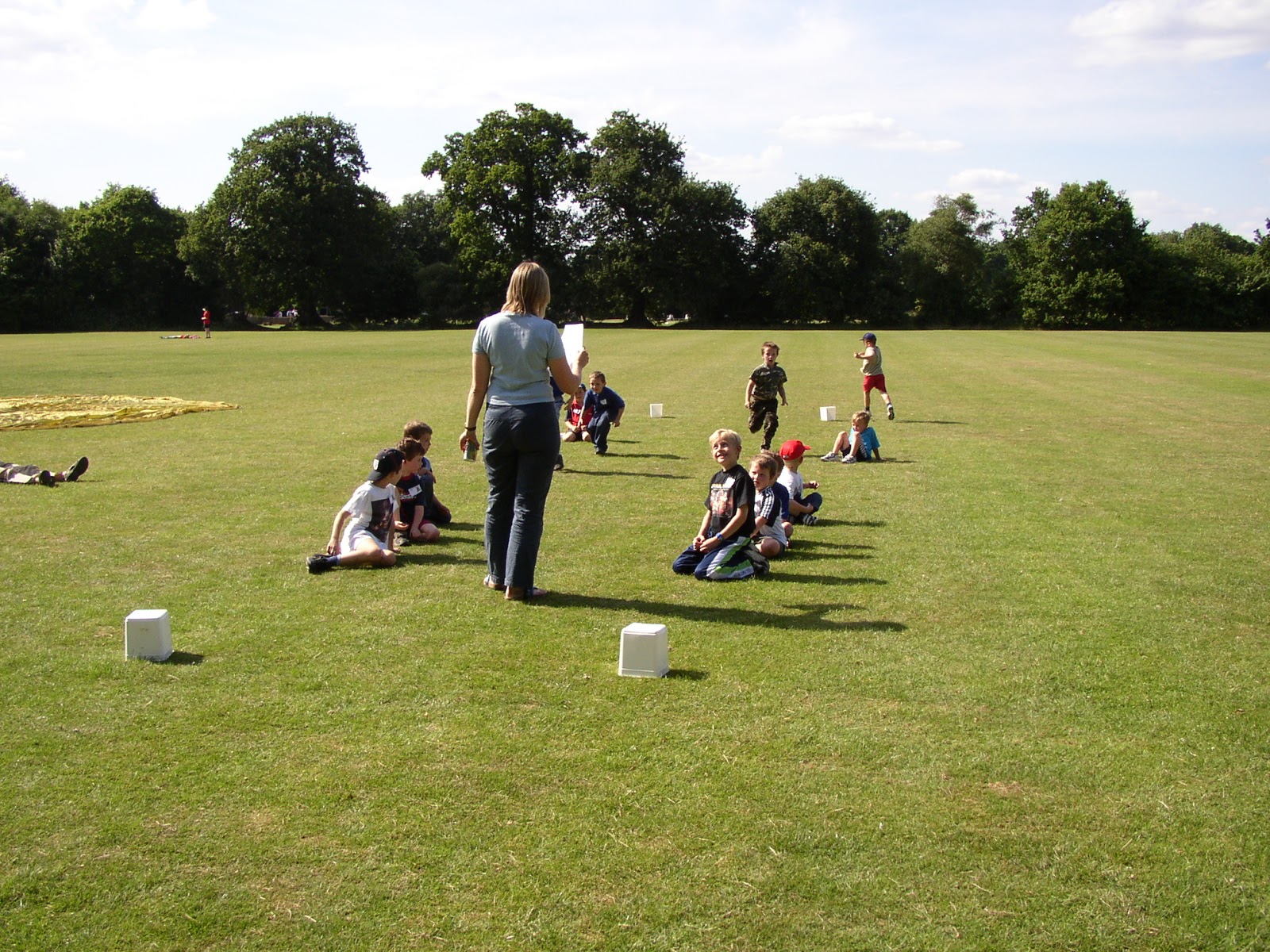
I think of the stories I have read to my Boys’ Brigade lads:
learning to read fluently upside down so they could see the illustrations of
The Jesse Tree; energetic games of the repetitious Story Gym; their immediate
engagement with The Pilgrim’s Progress, a theme for other activities.
Perhaps storytelling is more meaningful when it’s personal
to the teller and that comes over to the reader? Who better than Serkis to read
Tolkien’s tale?
One of my bugbears about church services is Bible readings.
Emphasis has rightly been put on clarity of words and diction but so often,
sadly, at the expense of meaning and drama. It’s as if we feel these words are
so holy that we forget these are stories we’re sharing, or personal letters, or
poetry. At its worst, it’s like a schoolchild being forced to read Shakespeare
for the first time with no understanding.
But at its best, we remember that this is God writing to and
for us. It is personal.
We remember that these were real people with real human
feelings and behaviours: devious David, depressed Elijah, faithful Ruth,
knock-kneed Gideon. We hear the paternal call of Paul for the churches to
mature in their faith. We share the heart-deep despair and jubilation of the
Psalmist.
During lockdown, I’m not one of those people with extra time
to develop new or existing skills. I’m working exhausting hours for my hospice
patients, struggling to find the energy (let alone the time) to write. But I
remind myself that we can all spend time reading and listening and maybe even
practising out own story telling skills.
And our Great Storyteller will keep writing and editing His
tale in us.
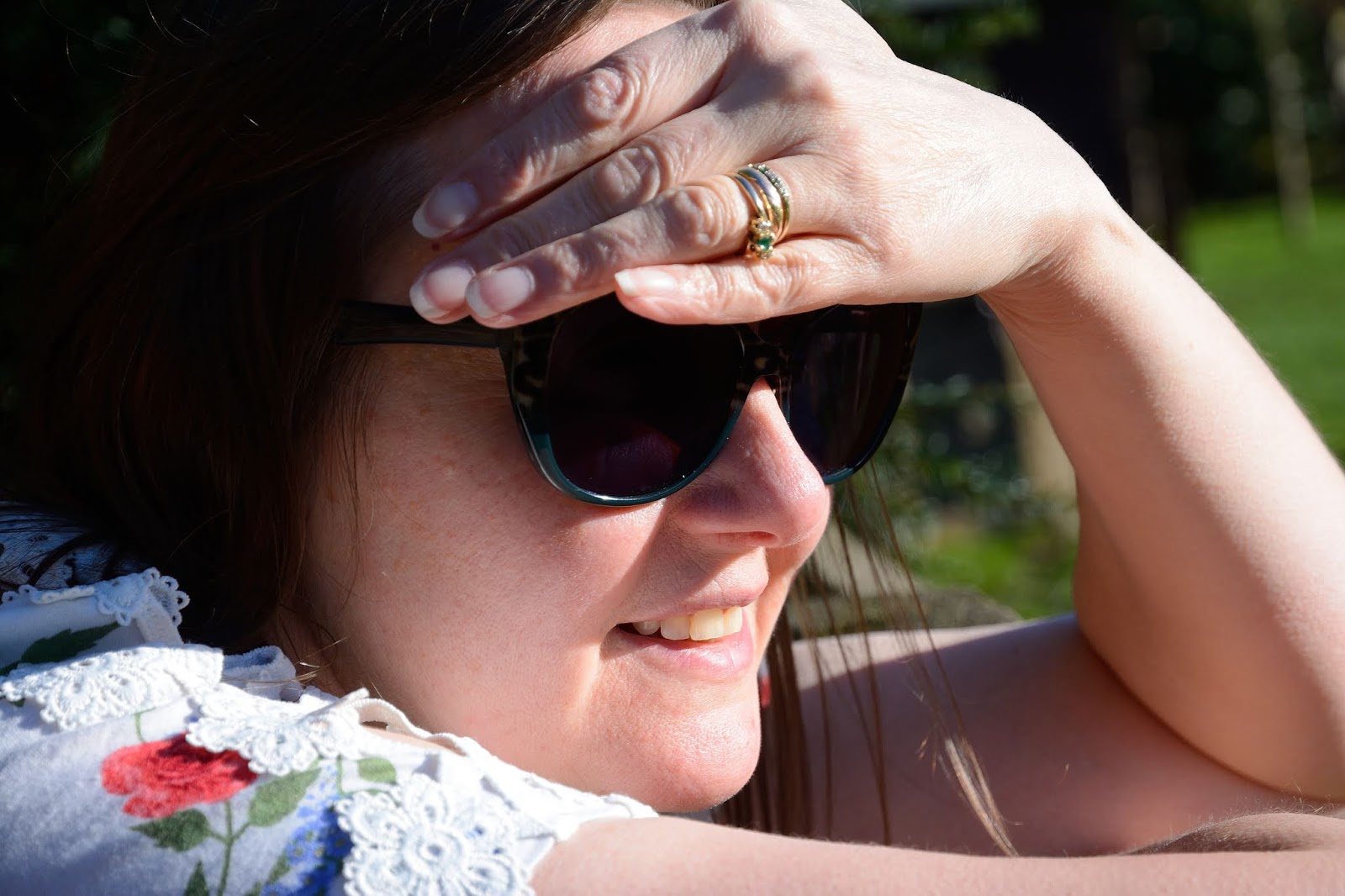
Liz
Manning fits writing around being an Occupational Therapist, BB captain, wife,
and mum to two adult sons. Or perhaps it’s the other way round. She blogs
regularly at https://thestufflifeismadeofblog.wordpress.com/

