Here we are in the middle of a global crisis which some may have foreseen, and which many didn’t. We are living in times we could never have expected: the COVID-19 pandemic. And it has arrived with us in England’s springtime: the time of new life and fresh hope.
The world is changing and no-one can be quite sure whether that will be for good or not, but many hope and pray that this will be an opportunity for the human race to perhaps take a new and more positive path in the years to come.
I, in common with many other writers I imagine, am writing a daily journal of these times. I feel it is almost our special task that we must do this. I am recording the local and the national and international events of each day: yes, the new cases, the total number of deaths, the pronouncements by the government, the massive changes and decisions, the way people are responding, the fascinating variety in human behaviour, the feelings this crisis arouses, the surprising positive experiences, the fears that stalk us, the things to celebrate and those to mourn.
The journals we may be keeping are not necessarily to be shared for a long time; they are a faithful, moment-by-moment record of what may prove to be a massive shift in the history of the human race. They may form the basis for novels of the future, or non-fiction books, or poems, or essays.
A few years ago I came across an author whose latest book was about the greatest and most significant changes in human history. These have come about, he said, not because of wars or politics; but because of pandemics. Those of us who want to look beyond the daily stream of events and emotions, to the larger meaning behind all this, cannot but think about the major pandemics which have scourged the human race throughout its history; the Great Plague; Smallpox; Cholera; the Spanish Flu, and many others. It is always hard for us to imagine what it must have been like living in those times: for the people who experienced them did so with less knowledge, and without the infrastructure of the contemporary world; without the benefits of modern medical science, of mass communication and relative political stability.
I will write no more of anything which will sadden or cause despondency, for there will be winners and losers throughout this crisis and on the other side of it, as there always are in any major traumatic event for our world. There will be those who will especially suffer, and those who will adapt easily. We can only pray that ultimately a balance and equilibrium will be achieved.
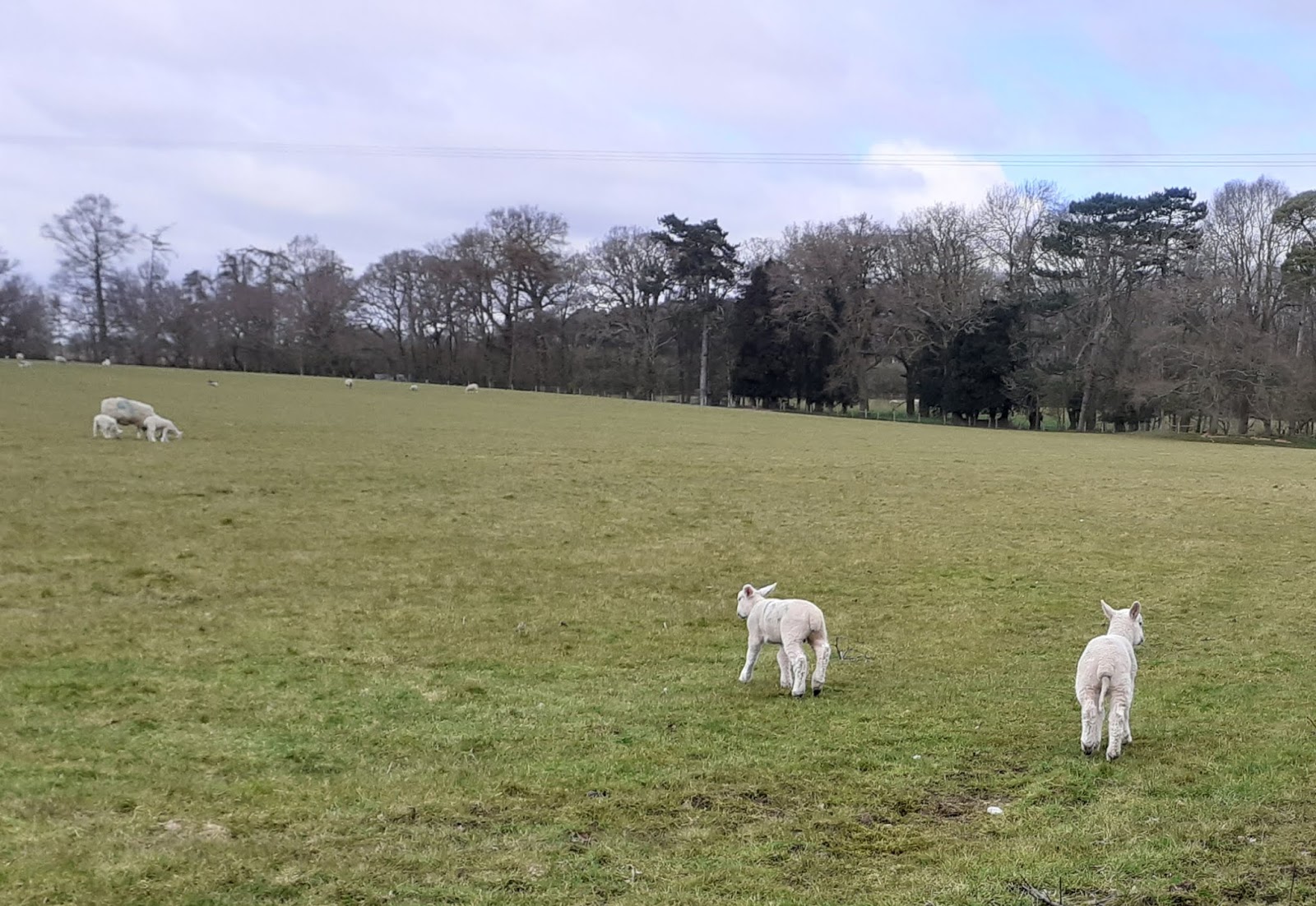
I’ll just record the joys and the signs of fresh life; the new ways we are finding to communicate with each other through technology: livestreaming and Zoom meetings and WhatsApp groups and video calls. I’ll note the fact that in my own neighbourhood (one in which I often lamented the lack of a sense of community) I can now put names and personalities to the street numbers through a new WhatsApp group; and I’ll rejoice in the sense of warmth and connection so many feel when they stand out in front of their houses and clap the NHS.
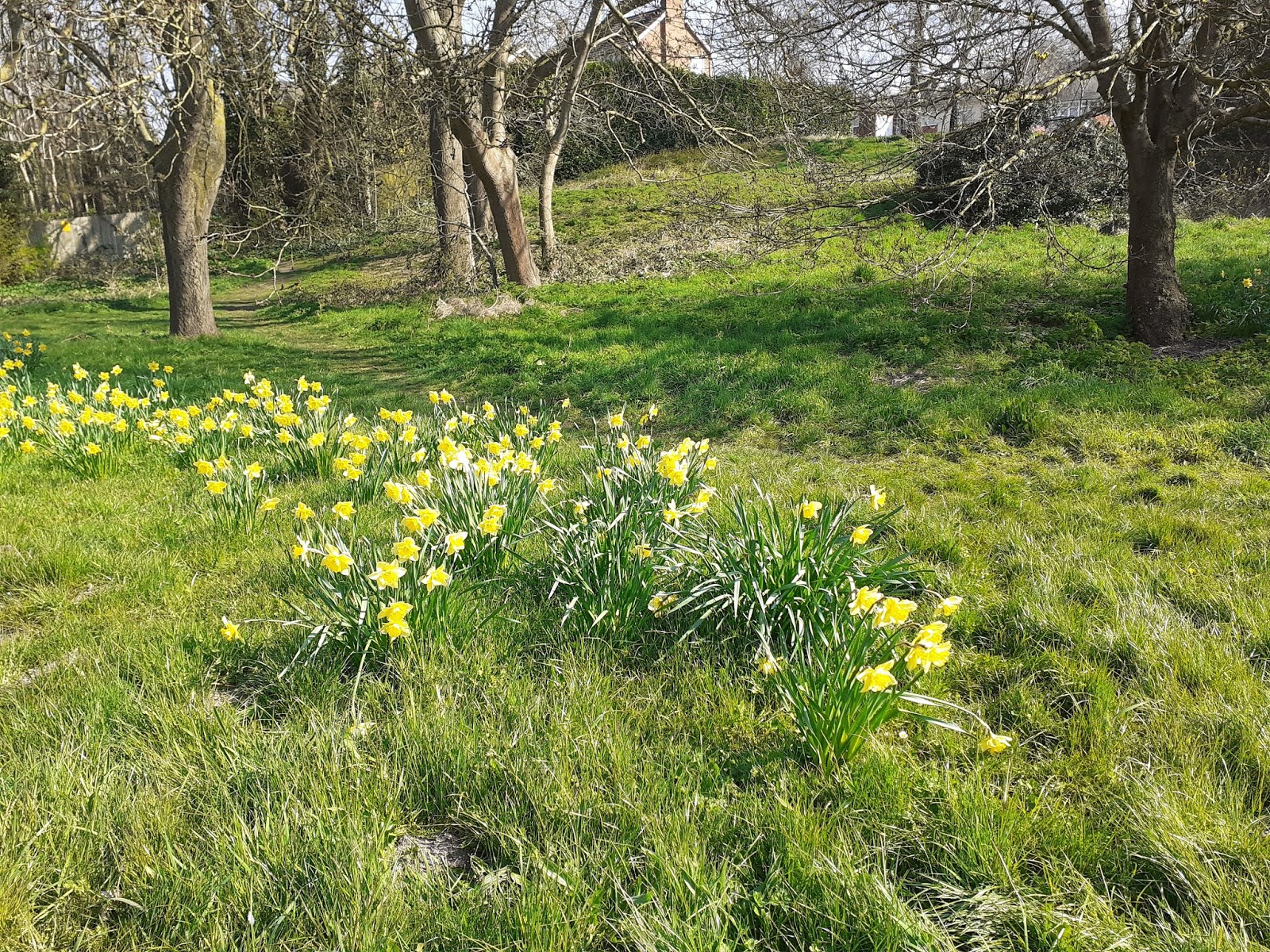
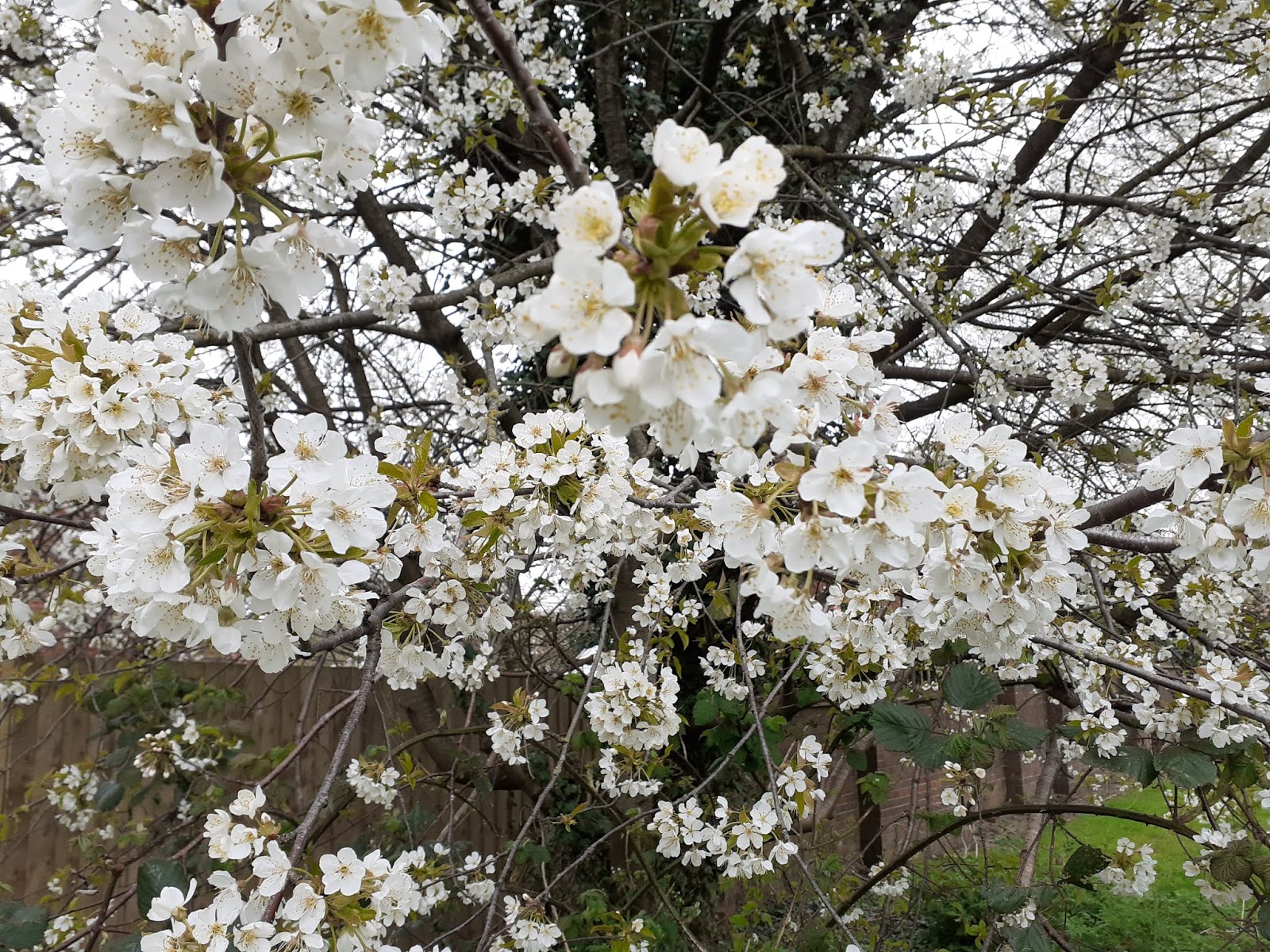
I’ll celebrate the small and large acts of kindness we are seeing day by day, between people who may formerly have been strangers. I’ll record the pleasure we find in our daily walks, through quiet streets, meeting very few people, who all observe social distancing, but not without a smile. I’ll focus on the tiny exquisite wayside flowers we notice now more than ever before, and which I record with my camera.
Finally may I finish with this beautiful quote from The Lord of the Rings by JRR Tolkien. The speaker is Gandalf, who responds to Frodo’s words, “I wish this had never happened.”
“So do I, and so do all who live to see such times. But that is not for them to decide. All we have to decide is what to do with the time that is given us.”
SC Skillman