
Can you
remember the last time a story made you gasp –an audible-intake-of-breath, freeze-in-your-tracks
gasp? I am probably an author’s dream as I am gullible and one of those people
who doesn’t spot the crime-drama killer until they jump out from behind the
door at the unsuspecting agents trying to track them down. So I probably have this experience more than
most. I have two particularly memorable
ones.
“We Need
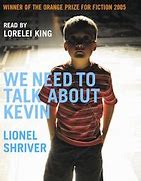
to Talk about Kevin,” published by Lionel Shriver in 2003, was a gripping story
but I don’t recommend you read it if you are of a nervous disposition or like ‘happily
ever after’ endings! I read it at a time
in my life when I had joined a book club – mainly to drink wine but also to
widen my literary horizons. The joy of
belonging to a book club is that you end up reading things you would have ordinarily
left on the shelf (“A Short History of Tractors in Ukranian,” being the most
memorable title in such a category – one I ended up enjoying, but whose title
and front cover would have had me walking straight past it in Waterstones, had
the choice been mine).
“We Need
to Talk About Kevin” contained a disturbing twist that I truly did not see
coming. I dreamt about it for weeks and
I can still picture the scene in all its awful, vivid detail. Horrible though
it was, serious kudos to an author who can write in a way that makes you
remember her work in that much detail, fifteen years after reading it.
“The Boy
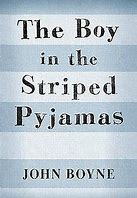
in the Striped Pyjamas,” young adult novel, was no less powerful or disturbing. This one you should read. It is
beautiful, tragic and thought-provoking.
Naïve me, happily tucked up in bed in my own pyjamas, one night, decided
that the end of the book was in sight and I would read it before going to
sleep. Except as the book neared the end, I found myself open-mouthed,
goldfish-style and sleep eluded me that night and for a couple of nights
afterwards! I simply did not spot the ending coming, despite all the
foreshadowing I subsequently realised, had led me to this moment.
As a
teacher, I have recently had the joy of witnessing ‘gasp’ moments with a Year 7
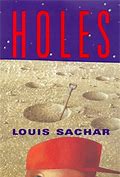
class, whilst teaching Louis Sachar’s “Holes.”
If you haven’t come across it, it’s a brilliant example of the clever
weaving of different plot threads that come together as the story
develops. My class are not natural readers
and the sheer joy of various ones of them interrupting the flow of my reading
with an unselfconscious gasp, followed by a hand shooting up and asking “Hang
on, is he…is she…isn’t that the same name as…could that be the boat that…?”
has been a delight and encapsulates (albeit briefly) all that is good and
perfect about teaching and passing on our passion for stories. Of course, by
Year 8, they are much too cool for public, audible gasp-moments, but I will
continue to enjoy the uninhibited delight of Year 7 as I share brilliant
stories with them.
How do we
gift our readers with the joy of the ‘audible gasp’ in our own writing? I have
had a chance to practise this, recently, in miniature, after being offered some
freelance phonics-books writing. It has
been a challenge – the stories I have written had to be 12 pages, containing
7-10 words on a page, with a very strict limit to the sounds and syllables I
had at my disposal. With my own
parenting-a-child-learning-to-read memories resounding in my mind, I wanted to
offer the parent, as well as the child, something a little less nap-inducing
than Biff going up and Chip coming down a slide repetitively (Disclaimer – I’m
sure there was much more to them than
that, but it is all my weary, nap-needing brain remembers – that and pigs that
liked to dig).
So I tried, in my own inexperienced way, to give princesses who
ended up having to rescue princes who had come to rescue them, Dads who
provided excellent entertainment for their offspring, entirely with the goal of
having a peaceful sit down, and a Mum, who, after being held up in her aim to
go out shopping by various requests from her offspring, can’t go yet after all
as she now needs a wee (the phonics sound was –ee- here in case you were
wondering)! I hope, in my own, basic way
I will give both my learning-readers and the tired adults who live the process alongside
them, a few gasps and chuckles as they work through the books (published
sometime this year) together.
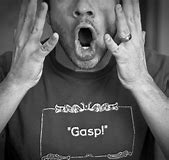
So I
would love to hear yours – the plot twists that made you gasp and your insights about how you go about creating ‘gasp’
moments for your readers.
would love to hear yours – the plot twists that made you gasp and your insights about how you go about creating ‘gasp’
moments for your readers.
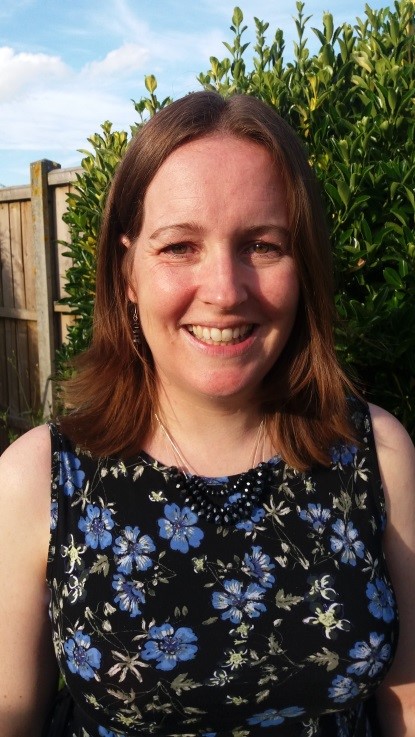
Georgie Tennant is a secondary school English teacher in a
Norfolk Comprehensive. She is married, with two sons, aged 11 and 9 who
keep her exceptionally busy. She writes for the ACW ‘Christian
Writer’ magazine occasionally, and is a contributor to the ACW-Published ‘New
Life: Reflections for Lent,’ and ‘Merry Christmas, Everyone: A festive feast of
stories, poems and reflections.’ She writes the ‘Thought for the Week’ for the
local newspaper from time to time and also muses about life and loss on her blog: www.somepoemsbygeorgie.blogspot.co.uk. Five phonics books, written by her recently, are currently being illustrated and will be out later this year, as part of a multi-author phonics scheme.
Originally written by Georgie Tennant

