
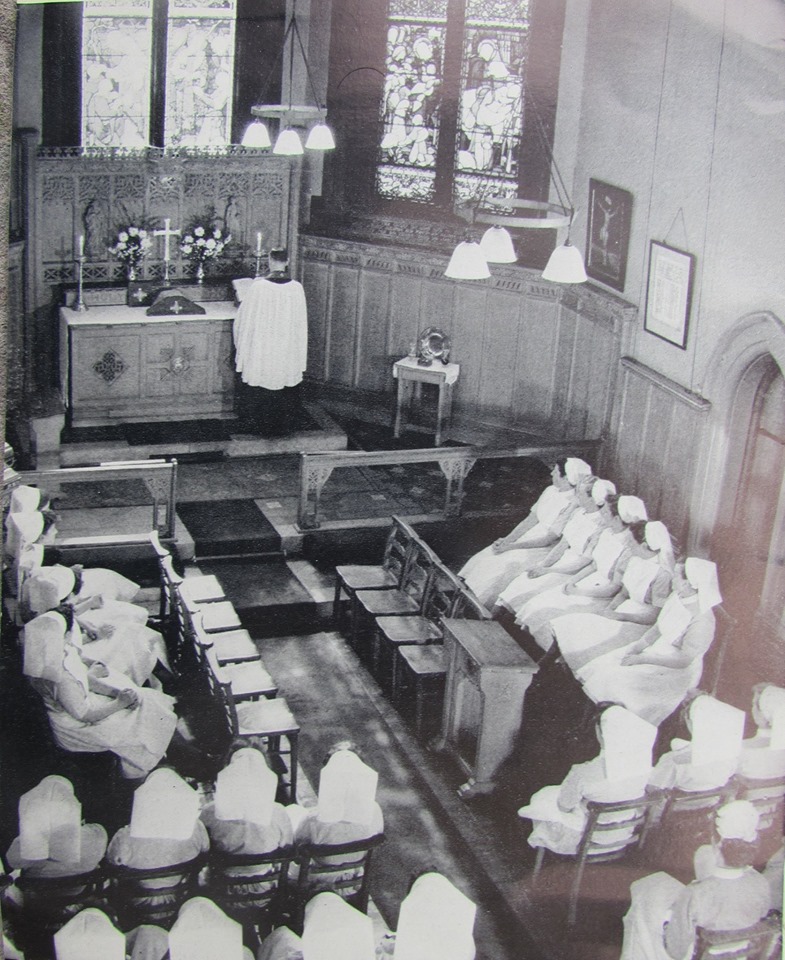
 When this 60s photo from the chapel of Leeds General Infirmary popped up on facebook I did a double take. No, this wasn’t from the dark ages – it was my age! I started nursing in the mid 60s. It could have been me! Difficult to remember that times were ever like this, with services broadcast to the wards.
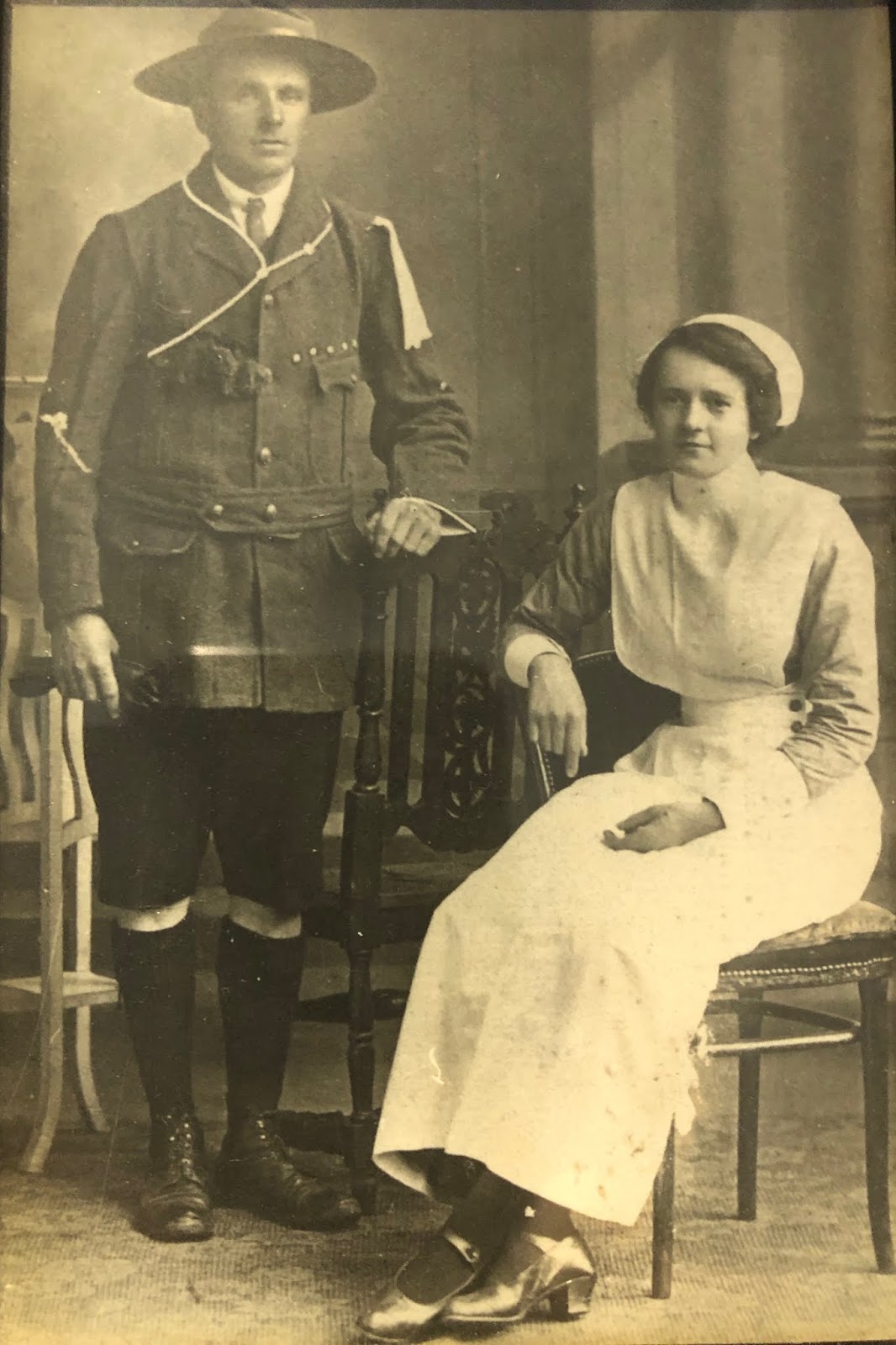
Now this photo of my grandparents taken at around the end of WW1 – a quaint reminder of bygone times – doesn’t seem much more ancient than my era.
 So what’s the problem? Only that things have changed enormously and are continuing to do so at an unprecedented pace: the way we communicate, language, punctuation, spelling, grammar, culture. It has led me to reflect on when is the best time to put down the pen, admit electronic defeat, accept my language is too old fashioned and that the young and even those in middle years may not be able to relate.
I have a book of memoirs in draft – memoirs with a twist, because my life has been unconventional and it is only now that I am beginning to see themes and make sense of it. It flew onto the page cathartically in first draft but should it be buried now? How do you communicate in a rapidly changing world where values have altered beyond recognition?
But that’s part of the reason I want to share. It was a privilege to grow up when I did, to witness the lived-out Christian principles from an earlier age through my loving grandparents – yes, all four of them. Writing it down gave insights that I wish I’d had earlier in life. The life stories of others have encouraged and challenged me from my youth. Is it possible for someone to gain from my story?
So faced with a manuscript some 20,000 words too long, what are the other challenges? Wisdom from a variety of sources warns me not to get bogged down in a mass of fussy detail, to work out a structure and themes, avoid chronology and ruthlessly cull anything irrelevant. I should target my main readership, curb my tendency to entertain and anything else that will prove a distraction.
Does that sound a tad negative? Is it possible to over ‘sanitise’?
How about this then:
1. Speak the truth – it has a way of resonating with readers as it may carry
transferrable principles
2. It’s not about you, it’s about your reader
3. Your reader expects to be enriched, entertained and enlightened.
4. Don’t lose your unique voice
5. Help the reader to feel they’re not alone
6. Tell your story well
 Much more positive! From my writing retreat in Northumbria I feel fired with energy. Wish I could stay here! After memoirs there’s the draft fantasy novel that emerged from Nano last year (or should that come first) – and then the long planned website/blog about my prayer shawl ministry.
Time to get going. Watch this space.
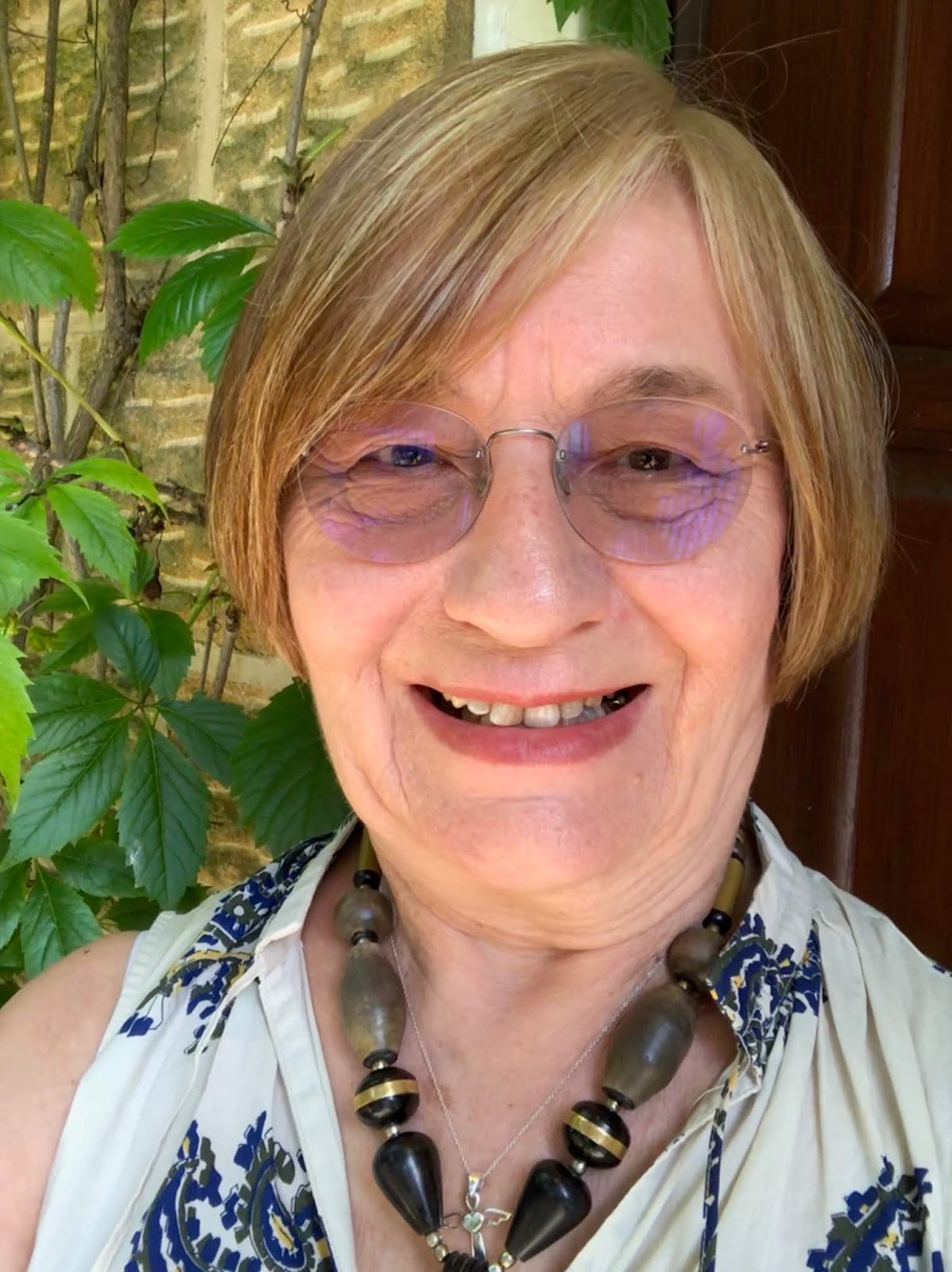
Eileen Padmore has retired from a life spent in health care and academia, having worked in Sierra Leone, Zambia, Eire and Northern Ireland (in the troubles) as well as inner city Birmingham and Leeds. She has had articles published in Woman Alive, Christian Writer and contributed to the popular ACW Lent Book. Last November she claimed NaNo 2018 winner at first attempt. Married to a professional musician, the family includes a feisty springer spaniel and a large African tortoise.

