
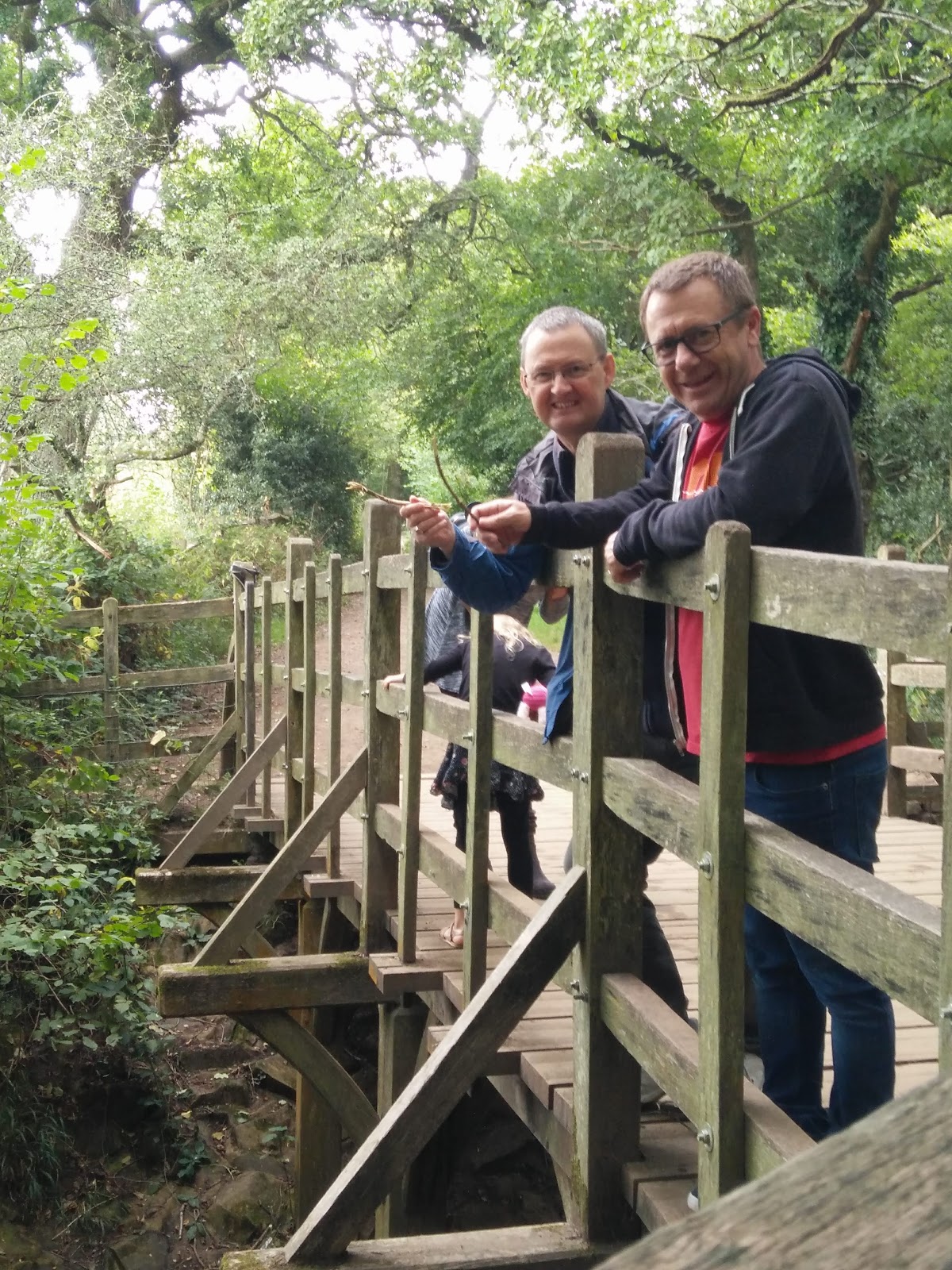
have friends to stay, one of the things ask is if we can visit Pooh Bridge.
They’ve read the books, seen the films and now they want to visit the place
where Winnie the Pooh was born, in Ashdown Forest. We went there recently with our Australian
friend, David. It was one of those rare autumn days with sharp sunshine and crisp
leaves. We parked, and wandered down the hill, breathing in the smell of earth and woodsmoke. It
was very quiet so when we got there, we were surprised to find the bridge heaving
with people. One man had an entire rucksack stuffed with pieces of wood, some
of them limb-sized. Someone told me that forest volunteers often have to clear the
river below the bridge because it gets so clogged up with sticks from ardent
players.
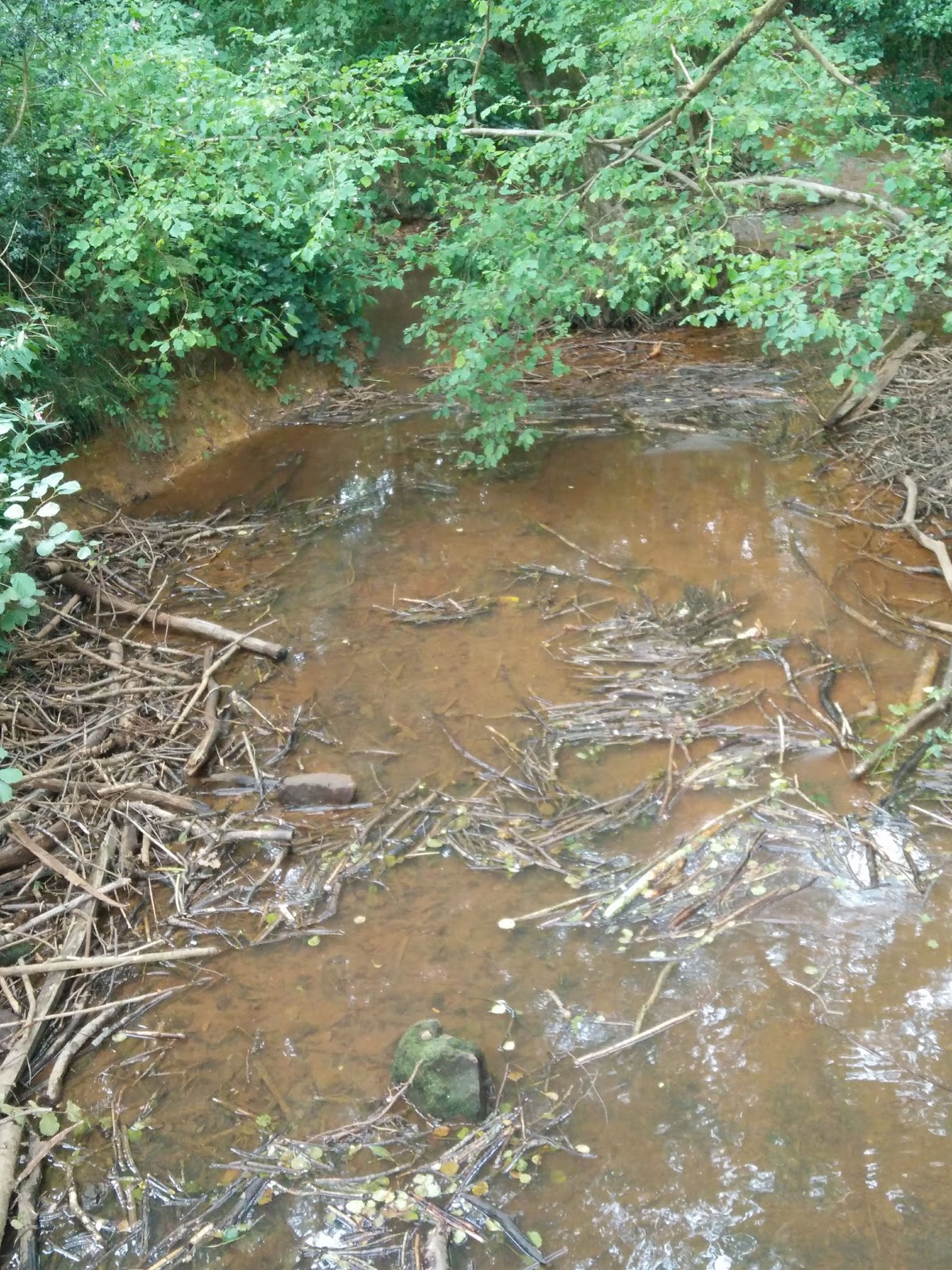
wooden bridge in the forest. Then he writes about it in an imaginative and engaging children’s book and nearly
a hundred years later, people are still coming, from as far afield as Australia, to play
the game for themselves in the place where it was originally conceived. In fact, the bridge had so fired the public imagination that when East Sussex County Council tried to replace the rotting wooden structure with a more utilitarian version, there was an outcry. Disney, Methuen (the publishers), Nat West Bank and Pooh’s worldwide fan club all made contributions towards the £30, 000 needed for its repair. And since 1984 there has been a World Poohsticks Championship held every year at Day’s Lock on the River Thames. All from four short children’s books. Incredible really. Would A A Milne ever have imagined this when he wrote them?
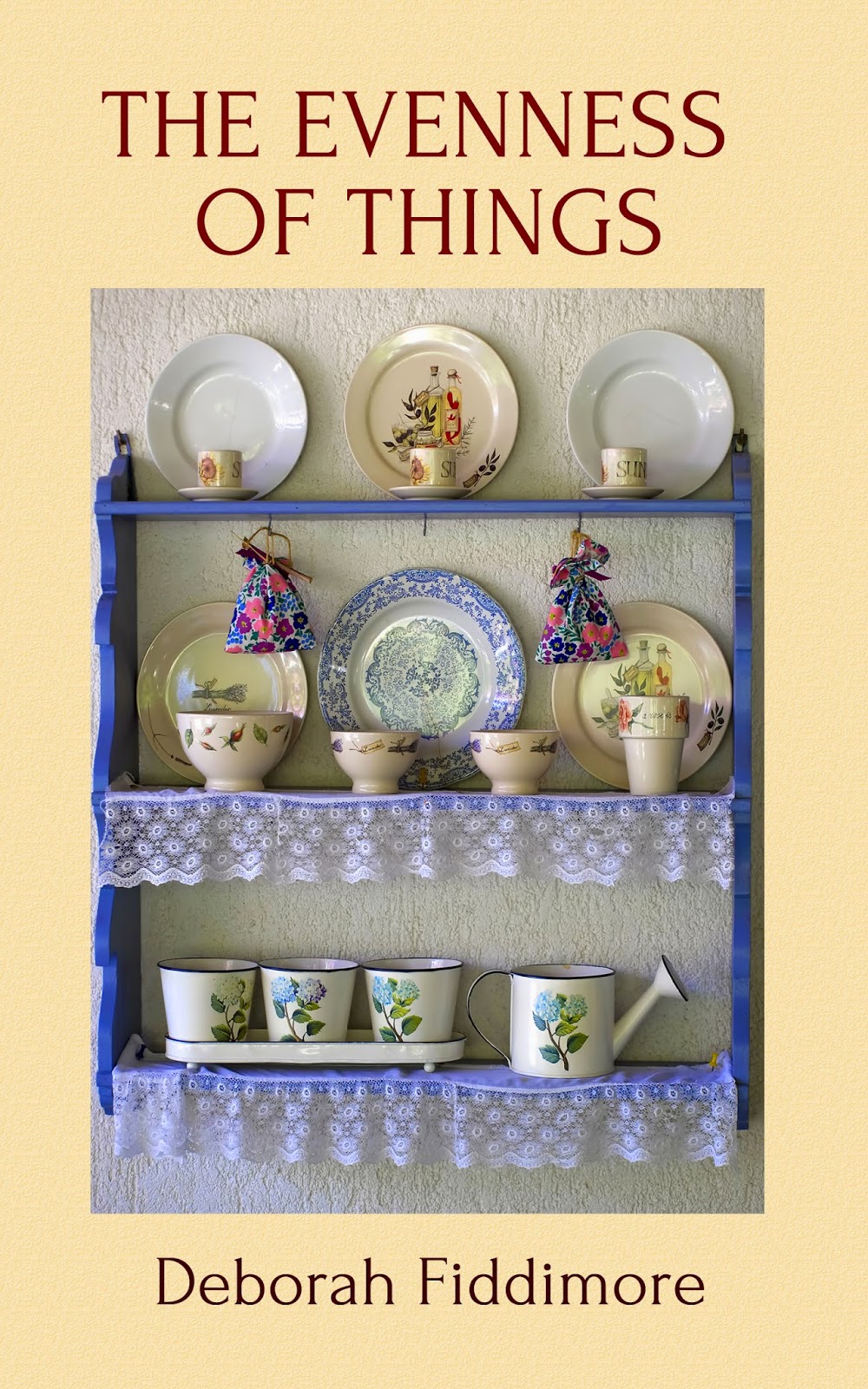
If you enjoy reading educational articles, my writing is here: –
The Evenness of Things – Would you buy a house without telling your husband? As soon as she arrives in Northumberland with her family, Daisy falls in love. The house in Alnwick is near the sea and within reach of the island castle of Lindisfarne. Its honey coloured stone and generous rooms fill her with longing; to be rooted in a beautiful place instead of an ugly vicarage in London with rats and a leaky roof. The holiday is filled with sunshine and a sense of family, a taste of the old life before the tragedy that changes everything. The week is passing and Daisy despairs at the thought of going home so when she stumbles across an advert for the house in an estate agent’s window, she sets in motion a chain of events that soon threaten to overwhelm her completely. But it’s the house, she believes, that will save her…

