
When our three children were young, we pinned a washing-up
rota on the kitchen wall. ‘Oh no,’ they’d say when their turn came round, especially
if Dad was the one drying the dishes they’d washed.
rota on the kitchen wall. ‘Oh no,’ they’d say when their turn came round, especially
if Dad was the one drying the dishes they’d washed.
My husband has High Standards, having been raised by a
fastidious matriarch who bore six sons and, understandably, imposed military
precision on all domestic duties just to survive.
fastidious matriarch who bore six sons and, understandably, imposed military
precision on all domestic duties just to survive.
My children knew that, if Dad wasn’t happy with their
washing-up, he would present the unsatisfactory plate or bowl back for a
re-wash and say one word with emphasis on the first syllable: ‘REject’.
washing-up, he would present the unsatisfactory plate or bowl back for a
re-wash and say one word with emphasis on the first syllable: ‘REject’.
‘He called me a
REject again, Mum,’ they’d wail.
REject again, Mum,’ they’d wail.
‘He doesn’t mean you. He means the bowl,’ I’d say.
‘He does mean me. He does. Mum, can you dry up instead?’
Before anyone takes this to mean that my standards were
those of a slattern and that I would accept globs of egg or clumps of
blackberry crumble on a washed-up bowl, please remember that it is an unfair
comparison, putting me alongside my husband and his idealistic expectations.
those of a slattern and that I would accept globs of egg or clumps of
blackberry crumble on a washed-up bowl, please remember that it is an unfair
comparison, putting me alongside my husband and his idealistic expectations.
Those words. ‘REject! REject!’ It’s like a playground taunt, isn’t it?
So, why am I talking about washing-up? What relevance does rejection
have to writers?
have to writers?
Now … let me THINK. There must be SOMETHING. I’m sure
there’s …
there’s …
Oh, yes. Rejection letters: a concept with which I am
currently far too familiar as I tout about a couple of projects.
currently far too familiar as I tout about a couple of projects.
I’ve never received a rejection from an agent or publisher
quite so terse as my husband’s rejection of his children’s domestic efforts.
One comes close: an email without a ‘Dear Fran’ or a sign-off, but merely ‘No
thanks.’ What upset me, too, was the
lack of a comma after ‘No’, especially as he was a magazine editor.
Publication, I may not deserve, I thought. Punctuation, I am worthy of.
This one also hurt. A publisher’s recent rejection of my
novel said, ‘Thanks for sending your opening chapters. I’ll pass on seeing the
whole manuscript.’ Did he mean to sound rude? There’s something about ‘I’ll
pass’ which translates as ‘I’d rather eat woodlice whole.’
novel said, ‘Thanks for sending your opening chapters. I’ll pass on seeing the
whole manuscript.’ Did he mean to sound rude? There’s something about ‘I’ll
pass’ which translates as ‘I’d rather eat woodlice whole.’
The problem is, even the ones who are pleasant I still hear
as ‘REject! REject!’ One agent recently said my writing was warm and funny and charming
to read but that the novel didn’t have a strong enough hook. ‘You want a hook?’
I thought, in my initial disappointment, and harbouring evil thoughts about
butchers and pirates. ‘I’ll send you a hook, by golly I will.’
But she’d been generous, as agents go, to give any feedback
at all and I know that’s something to be grateful for … once the murderous
thoughts recede.
at all and I know that’s something to be grateful for … once the murderous
thoughts recede.
Why do I take it so personally? Is it because every time I
send out my writing, as Helen Murray said in this recent post, I send a piece of my heart?
send out my writing, as Helen Murray said in this recent post, I send a piece of my heart?
I found this psychologist’s view interesting. He says we
experience rejection pain in the same way we do physical pain. It’s worth a
read and could explain much.
experience rejection pain in the same way we do physical pain. It’s worth a
read and could explain much.
I’m making progress, though, and dealing with rejection
better after hearing a writer say, ‘When you get rejected,
remember, they’re rejecting the piece, not
you as a person.’
better after hearing a writer say, ‘When you get rejected,
remember, they’re rejecting the piece, not
you as a person.’
So, we’re back to what I told my children all those years
ago: advice I have clearly not taken myself.
ago: advice I have clearly not taken myself.
Nonetheless, last week, I sent an article idea to a magazine editor who
had already rejected two ideas the previous month. Before, I would have waited
at least a year, hoping they’d have forgotten my previous submission and wouldn’t
think me audacious to try again, having already been a REject.
had already rejected two ideas the previous month. Before, I would have waited
at least a year, hoping they’d have forgotten my previous submission and wouldn’t
think me audacious to try again, having already been a REject.
I haven’t heard back yet. I won’t lie – I’ve got the Kleenex
to hand.
to hand.
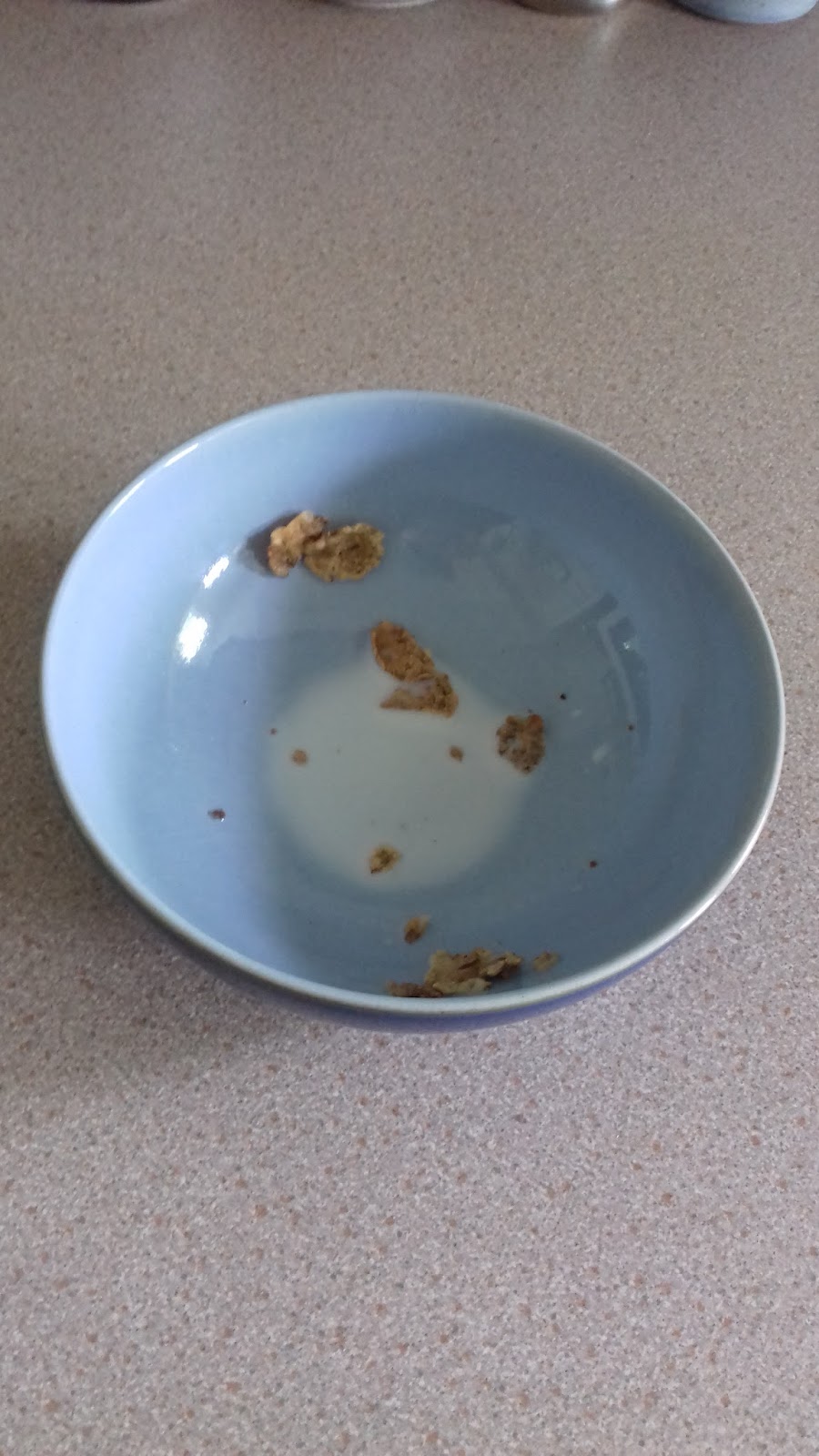 |
| Whaddya mean, REject? What’s wrong with it? |
Originally written by Fran Hill

