
During Brian Draper’s Lent study, we
received the task to find a “path that is a bit different”.
received the task to find a “path that is a bit different”.
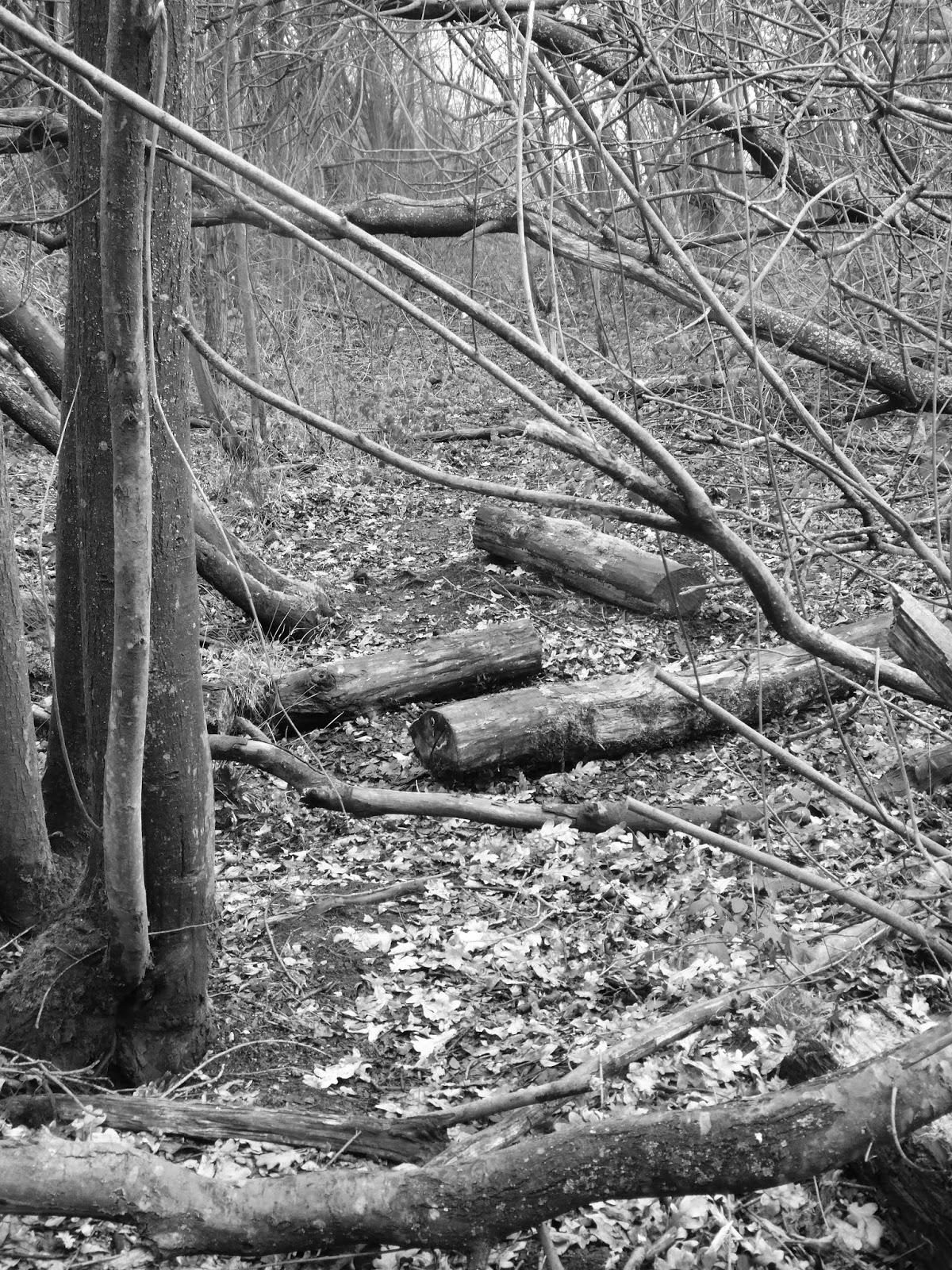
I decided to walk down a path on our
local heath that I had always wanted to explore but had never bothered to – from
what I saw it would end nowhere…
local heath that I had always wanted to explore but had never bothered to – from
what I saw it would end nowhere…
It was obvious that the path wasn’t
used. There were thorny branches to climb over. The path went down a short but
steep slope; I was looking for a branch to hold on to as the ground was slippery
– but all branches I could see were covered in thorns.
used. There were thorny branches to climb over. The path went down a short but
steep slope; I was looking for a branch to hold on to as the ground was slippery
– but all branches I could see were covered in thorns.
I gingerly held a branch between a
thumb and forefinger. The branch snapped under my weight, but luckily, I had
reached the bottom of the slope by then. A few more steps – and I ended up in a
cul-de-sac.
thumb and forefinger. The branch snapped under my weight, but luckily, I had
reached the bottom of the slope by then. A few more steps – and I ended up in a
cul-de-sac.
I could see the heath and houses on
my left, so civilization was technically close. However, in practice, they
might as well have been on a different planet.
my left, so civilization was technically close. However, in practice, they
might as well have been on a different planet.
The brambles made it clear that
there was no way through. Discouraged, I retraced my steps, scrambling back up
the slope. I felt I had wasted time and effort.
there was no way through. Discouraged, I retraced my steps, scrambling back up
the slope. I felt I had wasted time and effort.
Before I joined the main path, I saw another potential path. It also did not look very promising, but I was in explorer mode.
This time the ground was boggy and
waterlogged in places. Discarded cans indicated that someone else had been
this way before.
waterlogged in places. Discarded cans indicated that someone else had been
this way before.
I had to think carefully about where
to place my feet. I could not afford to wander off in my mind, plotting and
planning what I would do when I got home. I had to stay in the here and now.
to place my feet. I could not afford to wander off in my mind, plotting and
planning what I would do when I got home. I had to stay in the here and now.
At least there were less thorns to
worry about –until I reached the end of the bog. I ended up in the thicket once again. I did
not fancy retracing my steps along the water’s edge, but decided to find a way
through to the heath.
worry about –until I reached the end of the bog. I ended up in the thicket once again. I did
not fancy retracing my steps along the water’s edge, but decided to find a way
through to the heath.
I had to make my own path, which unfolded one step at a time. I zigzagged my way through, gingerly lifting
thorny branches so that I could duck under them, occasionally breaking off a
branch to make the walk less perilous, often stopping and studying my
environment, planning my next step: Would it be easier to carefully duck under
the branches on my right or climb over those roots on the left? Would what
looked easier now get me into trouble a few steps down the line? There were
those pesky thorns to consider wherever I turned.
Eventually, I made it back out into the open. When I looked back, there was no
visible path. I will never be able to retrace my steps, but had the satisfaction of seeing a familiar environment from a new perspective.
It reminded me of the experience of
writing our book. I was advised by a published author to focus on my story but
wanted to include my husband’s perspective. I was keen for him to have his own
voice, even though he had never written before.
writing our book. I was advised by a published author to focus on my story but
wanted to include my husband’s perspective. I was keen for him to have his own
voice, even though he had never written before.
I came up with the plan that we
would each write a chapter every month independently of each other, and when I
had all the material, I would figure out how our experiences could be interwoven. It took much longer than I had ever imagined to gather all the material, but what joy to discover moments when we had written about the same event from completely different viewpoints! The general feedback to date has been that it was
worth stepping off a more traditional story telling path and that our two
voices have added depth to the story.
Leaving a familiar, well-trodden
path is hard work. It requires patience, presence, perseverance and courage.
There is no guarantee of success. There is a possibility of failure – but also
the possibility of new discoveries.
path is hard work. It requires patience, presence, perseverance and courage.
There is no guarantee of success. There is a possibility of failure – but also
the possibility of new discoveries.
About the author: Susanne Irving is the co-ordinator for the Creative Communicators in Petersfield. She has co-written a
book with her husband John about their experiences when climbing Kilimanjaro.
It is aimed at both trekkers and those who are going through a dark time in
their lives. How to
conquer a mountain: Kilimanjaro lessons is available as a paperback and an e-book on Amazon, with all
proceeds going to charity. The German translation Wie man einen Berg bezwingt: Was der Kilimanjaro uns gelehrt hat was
published in June 2017.
Originally written by Sue Irving

