
 |
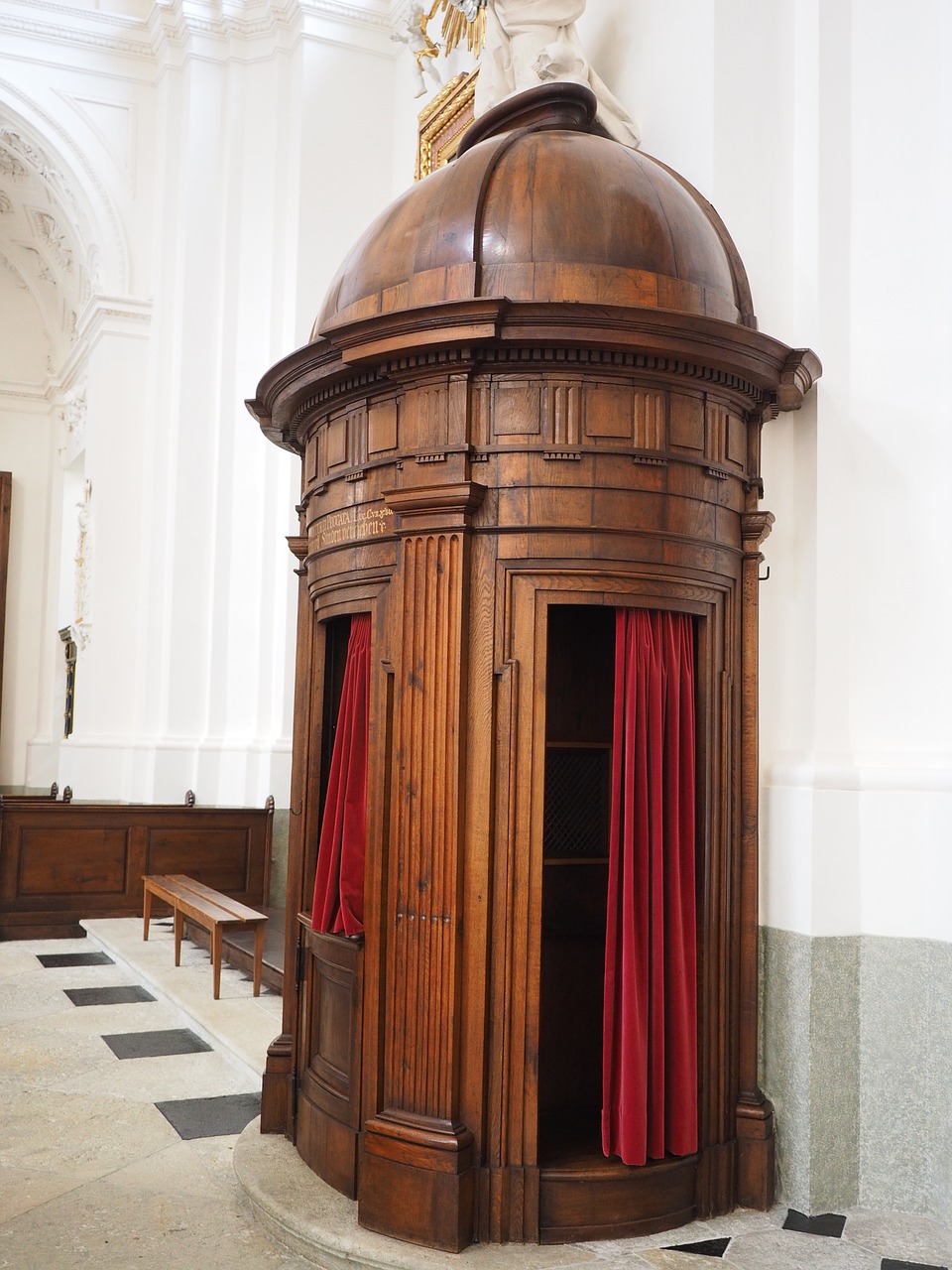
| Confessional |
Since starting my poetry writing MA (which has now had to be put on hold for a year because of my cancer treatment), I have become increasingly aware that ‘confessional poetry’ is largely a term of abuse in today’s poetry scene. It calls to mind poems about personal pain (usually of a love-related
nature) in which the word ‘I’ occurs a lot and there is not much attention to technical quality or striking language and imagery, rather what appears to be prose chopped up into little lines, and a hearty helping of clichés.
Now I’ve probably written a lot of this sort of poetry myself in the past, though sometimes disguising its personal nature by using ‘She’ or even ‘You’ instead of ‘I’ – unrequited love is an endlessly fruitful source of poetry, and I’ve had more than my share of it. There is of course a Christian equivalent, pious poems with a liberal sprinkling of religious platitudes, generally the literary equivalent of those slushy worship songs often known as ‘Jesus is my boyfriend’ songs, ie if you took out the word ‘God’ they would sound exactly like Top 10 romantic ballads (only not quite up to the Top 10).
 |
| George Herbert |
But is the personal really that taboo in modern poetry? You could argue quite easily that much of the poetry of my heroines Sylvia Plath, Stevie Smith and the earlier but in many ways very modern Emily Dickinson, was personal and ‘confessional’ to a high degree, yet no one would claim that the result is bad poetry. Or going back further in history, is not the work of John Donne or his contemporary George Herbert, not to mention Shakespeare’s 154 sonnets, deeply confessional? Yet all use powerful, unusual language and imagery and can never be accused of cliché.
It was 1970s feminism that coined the phrase ‘the personal is political’, and from a Christian viewpoint we could add ‘the personal is theological’ too. I have said often that I prefer to read novels by women rather than by men – they just seem to be far nicer to their characters, while men’s writing can often be rather detached and cold. I am finding now that the same applies to poetry: women’s poems reach and sometimes break my heart, while so much of men’s poetry (not all by any means) seems mainly to be about showing off how incomprehensible you can be.
The fact is, confessional does not have to mean slushy, formless or sentimental. ‘Written from the heart’ does not automatically imply ‘written without use of the head’. Ultimately, we all make whatever we write from the fabric of our own lives, or our personal observations of the lives of others. If we are good writers, it goes through a transformation in which our inner feelings and thoughts become an outer artefact, separate from ourselves and capable of independent life (a bit like having children really). If we are not, perhaps we should give up.
 Veronica Zundel is a freelance writer whose latest book is Everything
I know about God, I’ve learned from being a parent (BRF 2013). She also
writes a column for Woman Alive magazine, and Bible notes for BRF’s New
Daylight. Veronica used to belong to what was, before it closed, the
only non-conservative, English
speaking Mennonite church in the UK, and is currently playing at being a
high Anglican. She also blogs (rather occasionally!) at
reversedstandard.com

