
Love, as a well known 1970s book and film has it, means never having to say you’re sorry. Except that it doesn’t, of course – however much two people love each other, they will never have the gift of

telepathy, and will need to hear the words ‘I’m sorry’ many times to mend their relationship. Sometimes a rueful facial expression is not quite enough.
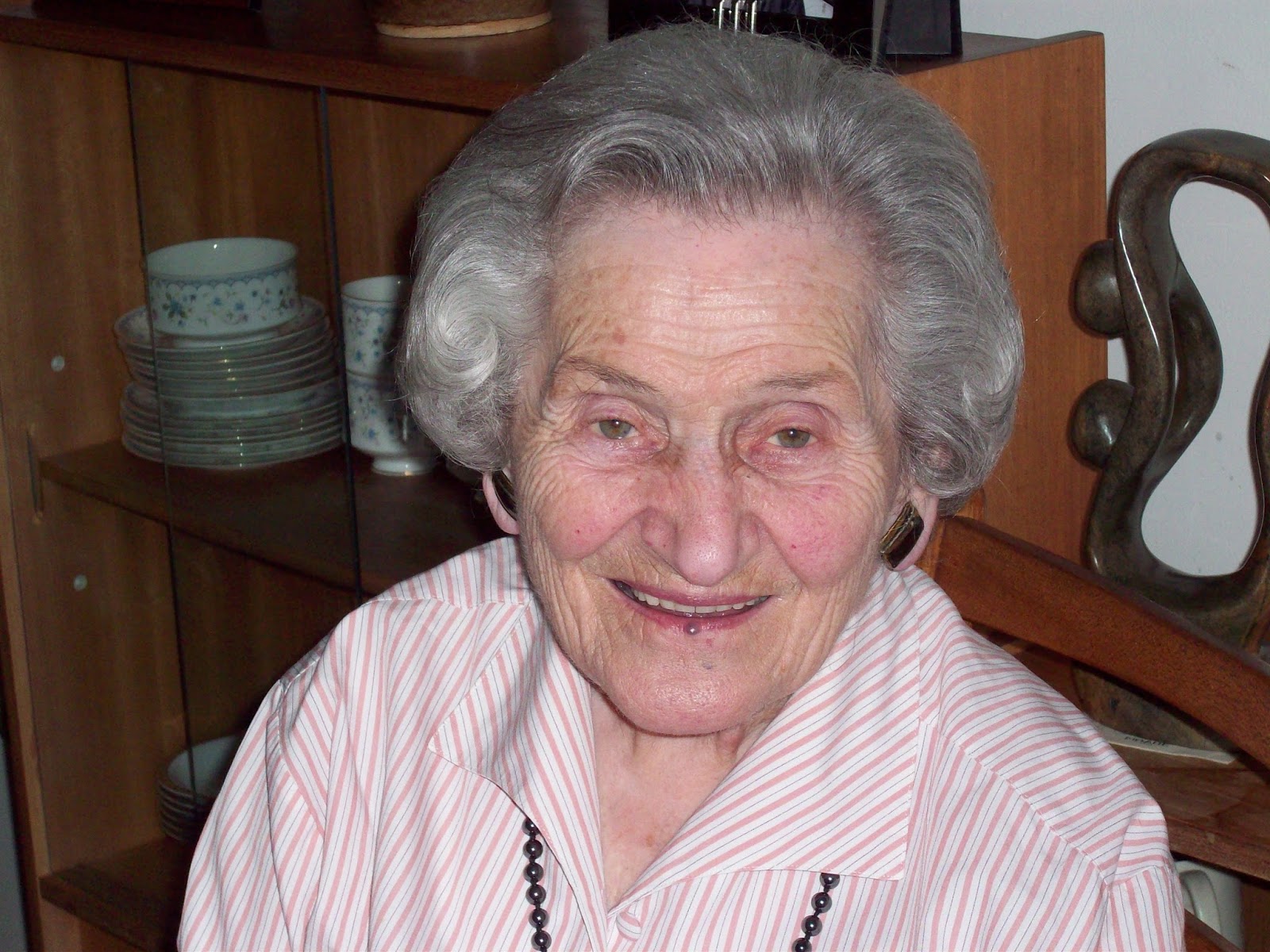 |
| My late mother, Holocaust refugee |
Does forgiveness, however, mean never speaking of the offence again? I’ve just been writing a guest blog for another Christian writer on forgiveness, and it’s caused me to think again about what should be completely covered by forgiveness, and what perhaps shouldn’t. Can I, for instance, forgive Hitler for what was done to my family in the Holocaust, leaving me with no extended family in my country of birth and precious little anywhere else? Or is it not my place, since the offence was against others? Perhaps more importantly, if I did decide I had forgiven (and the jury’s still out on that one), would it mean that I never spoke of those terrible events, and the effect they had, not only on my family but on my own upbringing and development, again?
And what has any of this to do with writing? Until I started my poetry MA, now somewhat on hold because of my cancer, (although I haven’t yet made the decision to defer to next year), I was, theoretically at least, writing a memoir of my late brother, who killed himself in 1975 after many years of mental illness (I refuse to say ‘committed suicide’ since it has not been a crime for a long
time). I regard him as just as much a victim of the Holocaust as my grandmother, great-aunt and great-uncle, who died in a concentration camp in 1942. The second generation has borne the trauma of the first, and the third generation continues to bear it in many and various ways, as I suspected and have confirmed by attending a Second Generation group for the children of survivors and refugees.
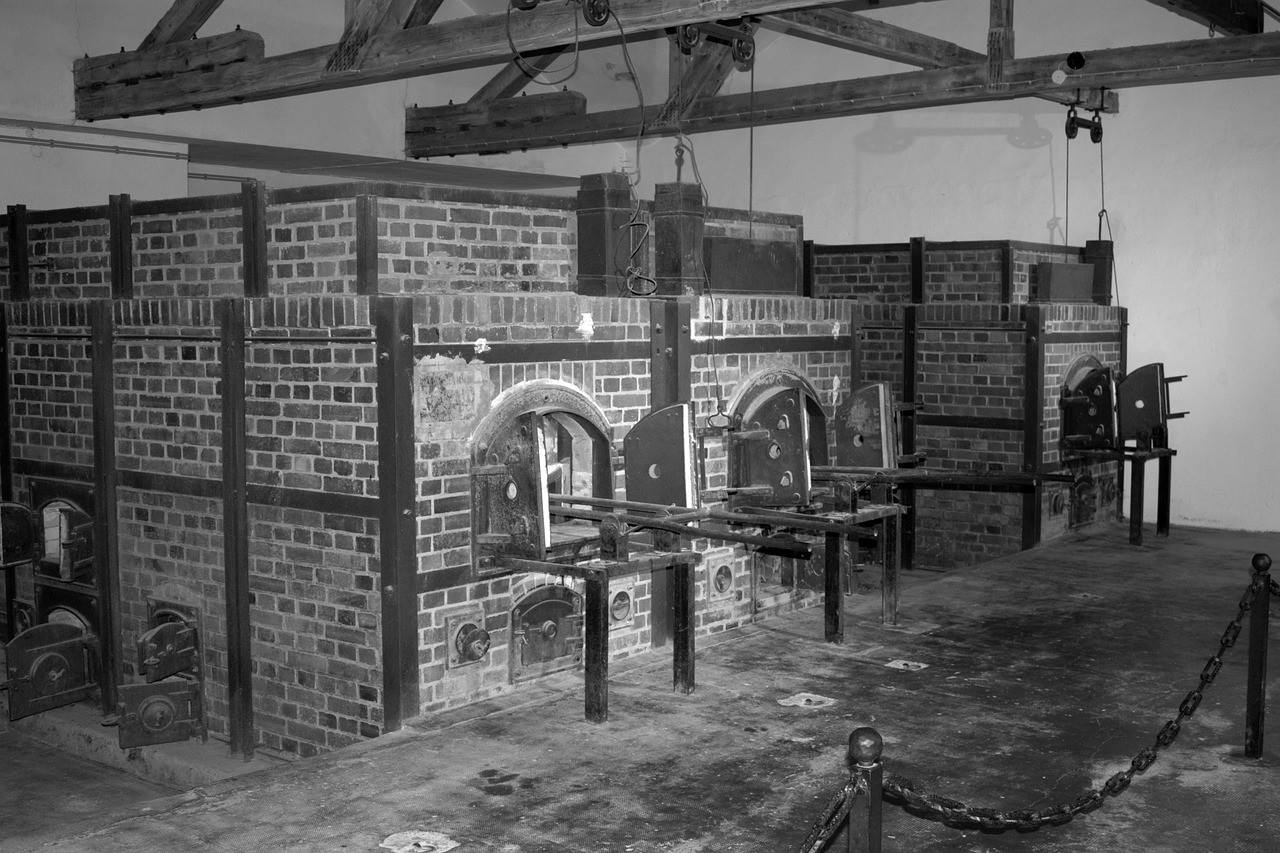 |
| Concentration camp incinerators |
The memoir, then, which is half drafted, is as much a Holocaust memoir as a record of a sibling’s mental illness and suicide (which probably makes it harder to get a publisher for, as it’s inevitably going to be a bit of a hybrid). And there was never any doubt on what the dedication, or under-the-title quote, at the front was going to be. It’s an excerpt from the Paul Simon song ‘Silent Eyes’, a song about Jerusalem, and it goes like this:
And we shall all be called as witnesses, each and every one
To stand before the eyes of God, and speak what was done.
There are some things we must write about, however painful, things about which we cannot be silent, because if we are, others (and there are many already) will come forward to claim they never happened, and to write false history that denies what we know. Are there things that, like Jeremiah, you must write, because while you don’t, they are burning up your heart?
 Veronica Zundel is a freelance writer whose latest book is Everything
I know about God, I’ve learned from being a parent (BRF 2013). She also
writes a column for Woman Alive magazine, and Bible notes for BRF’s New
Daylight. Veronica used to belong to what was, before it closed, the
only non-conservative, English
speaking Mennonite church in the UK, and is currently playing at being a
high Anglican. She also blogs (rather occasionally!) at
reversedstandard.com

