
was a sensitive soul, growing up. Whenever I was upset by someone’s teasing, my
dad – who subscribed to the stiff-upper-lip school of parenting – would remind
me of that well-known proverb: Sticks and
stones may break my bones, but names will never hurt me.

the time, this was scant comfort. Even now – with all due respect to my late
father – this saying makes no sense to me. I’d go so far as to say it’s
completely the wrong way round, in that physical hurts tend to heal over time,
but the wounds caused by vicious words and barbed comments can often fester
inside us, resulting in far longer-lasting damage.
seems particularly relevant in the light of the forth-coming general election. Having
watched people’s reactions to both Brexit and the US presidential election last
year, it’s clear that there’s something about political debate that can bring
out the worst in us. We take to Twitter, Facebook (and all the other forms of
social media I’m not trendy enough to understand) to express our outrage over
the opinions of others. Someone dares to share a point of view diametrically
opposed to our own, and – quivering with indignation – we leap right in to demolish
their arguments.
hardly the world’s best typist, but I know that if I’m not careful, my fingers
can move quicker than my brain. All too quickly, our determination to highlight
the fatal flaw in another person’s argument becomes an attack not just on their
political views, but on their character. Our words are no longer a means of engaging
in thoughtful dialogue: instead they become a menacing weapon, poised to wound
and inflict damage.
writing this on a Sunday evening. In our church service this morning, the
preacher talked about the importance of kindness. It’s listed in Galatians as
one of the fruits of the Spirit, which means it’s something we should be
seeking to grow in our lives. I suspect it’s one that we often overlook,
though; not least because it sits bang in the middle of that list, and the four
before it (love, joy, peace and patience) are challenging enough.
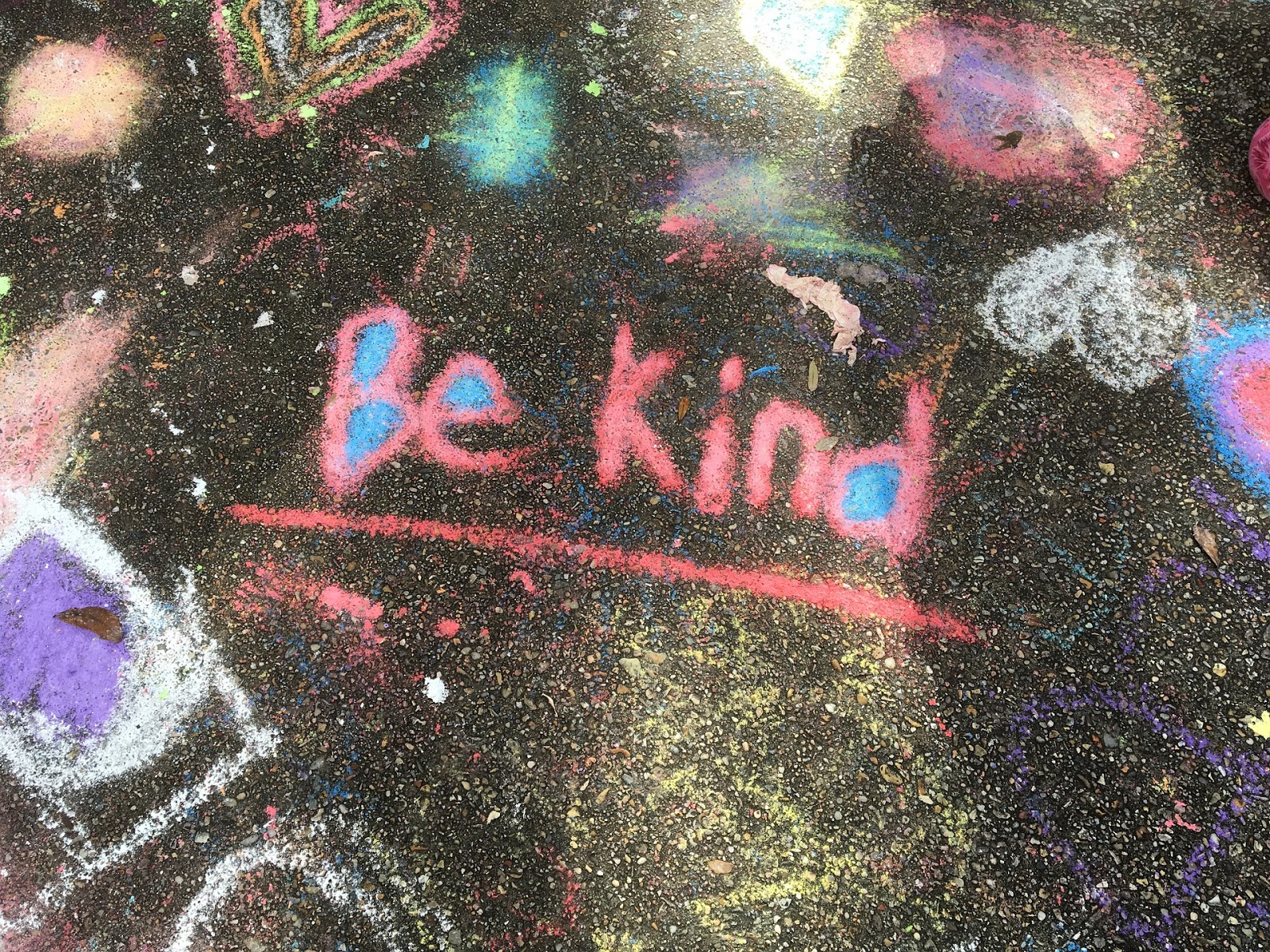
As
writers, it’s a concept that bears careful consideration. How will we ensure that
the words we use are kind? For some of us, this will involve thinking through the ways we
interact with others online. Do we really need to post that comment? Is there a
better way of expressing it? Are we using our words to build up and encourage,
or to belittle and hurt? We might also seek opportunities to use our words in a different
setting, by writing a card to someone who needs support, or sending a text to
let someone know we’re thinking of them.
4: 29 says: Do not let any unwholesome
talk come out of your mouths (or fingertips!), but only what is helpful for building others up. There is a real
opportunity for us as Christian writers – particularly in the run-up to June 8th
– to demonstrate the truth of the gospel by choosing to fill our words with
kindness.
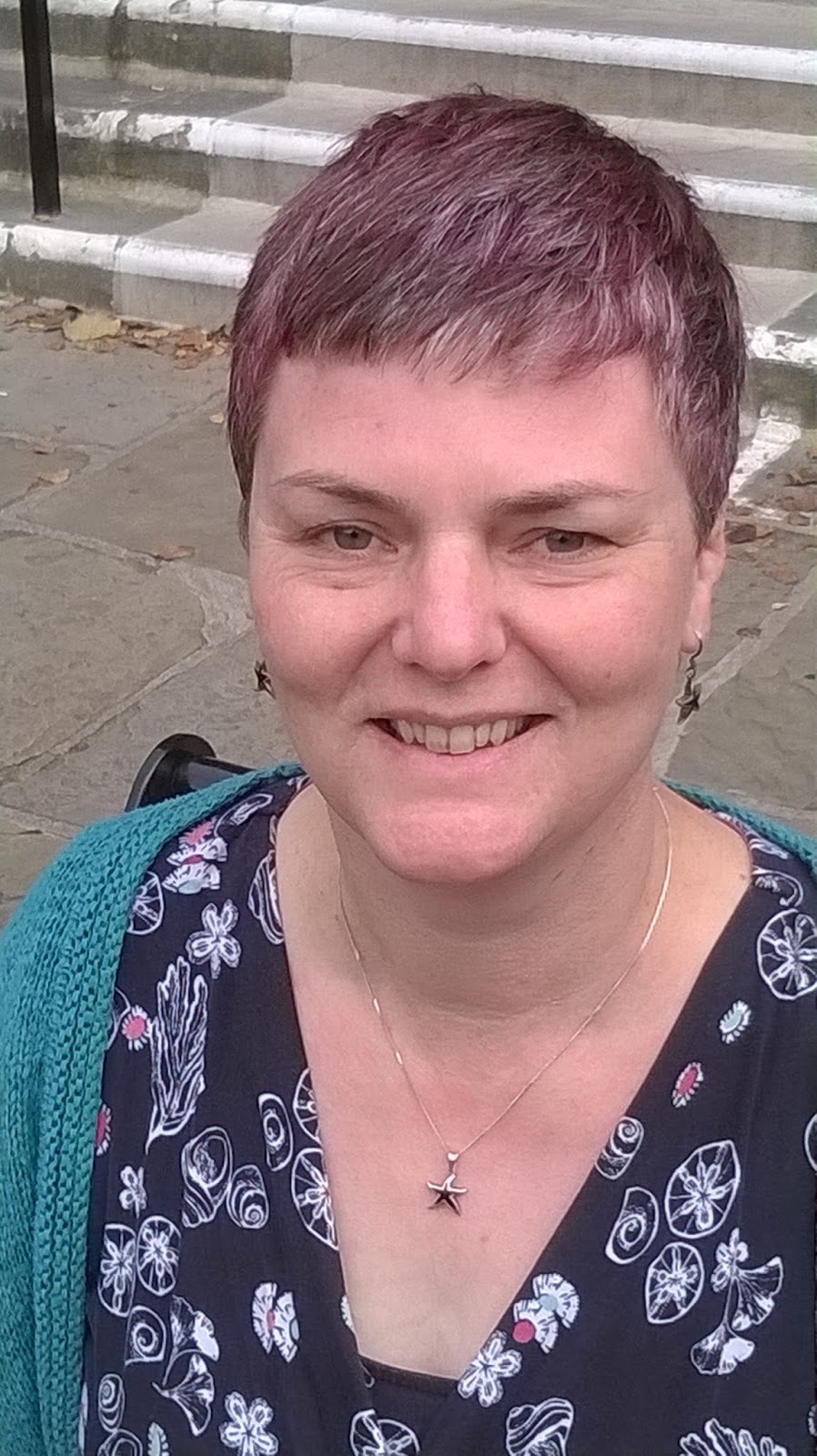
Fiona Lloyd works part-time as a music teacher, and
serves on the worship leading team at her local church. Fiona self-published a
violin tutor book in 2013 and blogs at www.fjlloyd.wordpress.com. You can find her on Twitter at
@FionaJLloyd. Fiona is vice-chair of ACW and is married with three grown-up
children.

