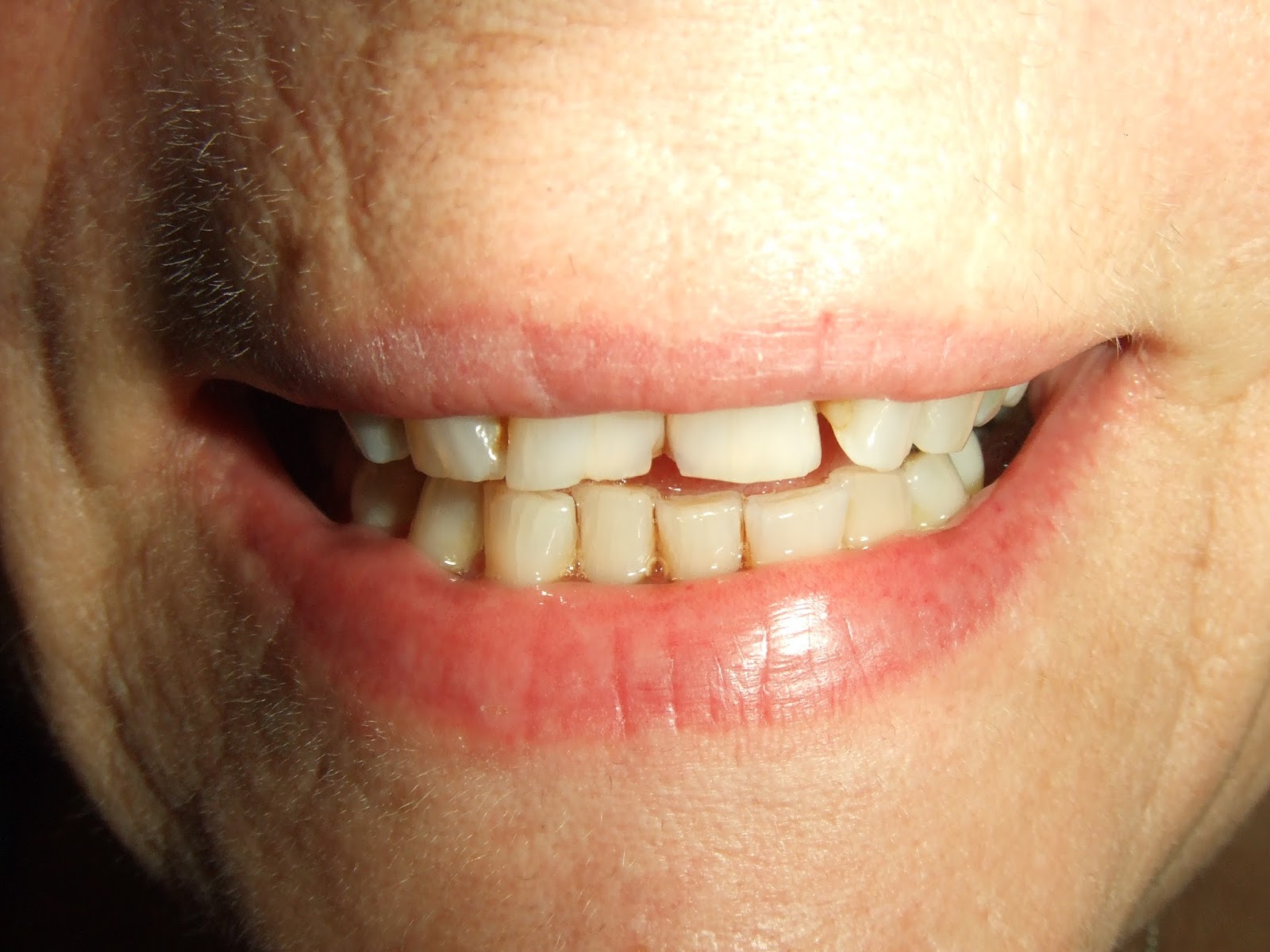
 Unlike many, I don’t mind going to the dentist, despite enduring, over the past few years, several unwelcome interventions, including the pulling of three teeth (happily not all at once.) The loss of teeth not only makes chewing less efficient but also serves as yet another reminder of advancing age. That I don’t regard a trip to the chair with dread may be due to my faith in my dentist professionally (practically painless and ultra-swift extractions) but also because he is a very likeable man. In fact dental appointments are often the occasion for humorous banter. Some years ago – I don’t remember what let up to this – I rather tactlessly exclaimed, ‘I don’t know how you can look in people’s mouths all day long!’ to which he replied, with a hurt expression, ‘I see dentistry as a vocation.’ No doubt he was serious, despite the frivolous tenor of our conversation, and I guess the same idealistic line may be taken by others in medical professions: even if only at first, they may be motivated by a desire to alleviate suffering and improve their patients’ quality of life. As Christians most – all? – of us have a sense of vocation, even if only in a general way that we are called by God to follow him through our lives, striving to become more like Christ. But can we apply this to our writing?
Of course I appreciate the power and value of the written word, whether in the dissemination of facts and opinions or in the weaving of stories and poems – otherwise I wouldn’t be a writer or a reader at all, presumably. But to describe what I do as a vocation is somehow embarrassing: am I not claiming for it something more than it merits? Am I – horror of horrors – doing that most unBritish thing, blowing my own trumpet?
The problem may be compounded by our being not only writers but Christian writers. Even if our Christianity is not overtly on the page, no doubt our selection and treatment of a theme and our inner attitudes will leak out regardless. But even if I try to make my stories as authentic, well-crafted and enjoyable as I can, it’s unlikely that any of my words will ever save someone’s life – unlike, for example, a surgeon finishing a successful repair on a patient’s heart. I realise there are different types and levels of calling; in the words of George Herbert’s poem, ‘Who sweeps a room as for thy laws Makes that and th’action fine.’ But is there not a danger of calling something a vocation when it may simply be the thing we like doing most? Does God ask us to do things for which we have neither talent nor inclination, and if he does, how do we respond?
Oddly, I do have a sense of vocation in my writing, even though admitting this makes me squirm and mutter caveats. Unlike some perhaps more sensitive souls I have not received divine messages in any unequivocal way – except once, when I had the distinct sense, while beavering away on my first novel, of God saying, ‘Do this for me.’ However, I regard this less as a mandate-with-fanfare than as a result of my peculiar dimness in certain areas, to which God gently and graciously responded by providing a focus which had been signally lacking!
What about you? Do you feel called, as a writer as well as a Christian? If so, or if not, what impact do you think it has? I’d love to know.
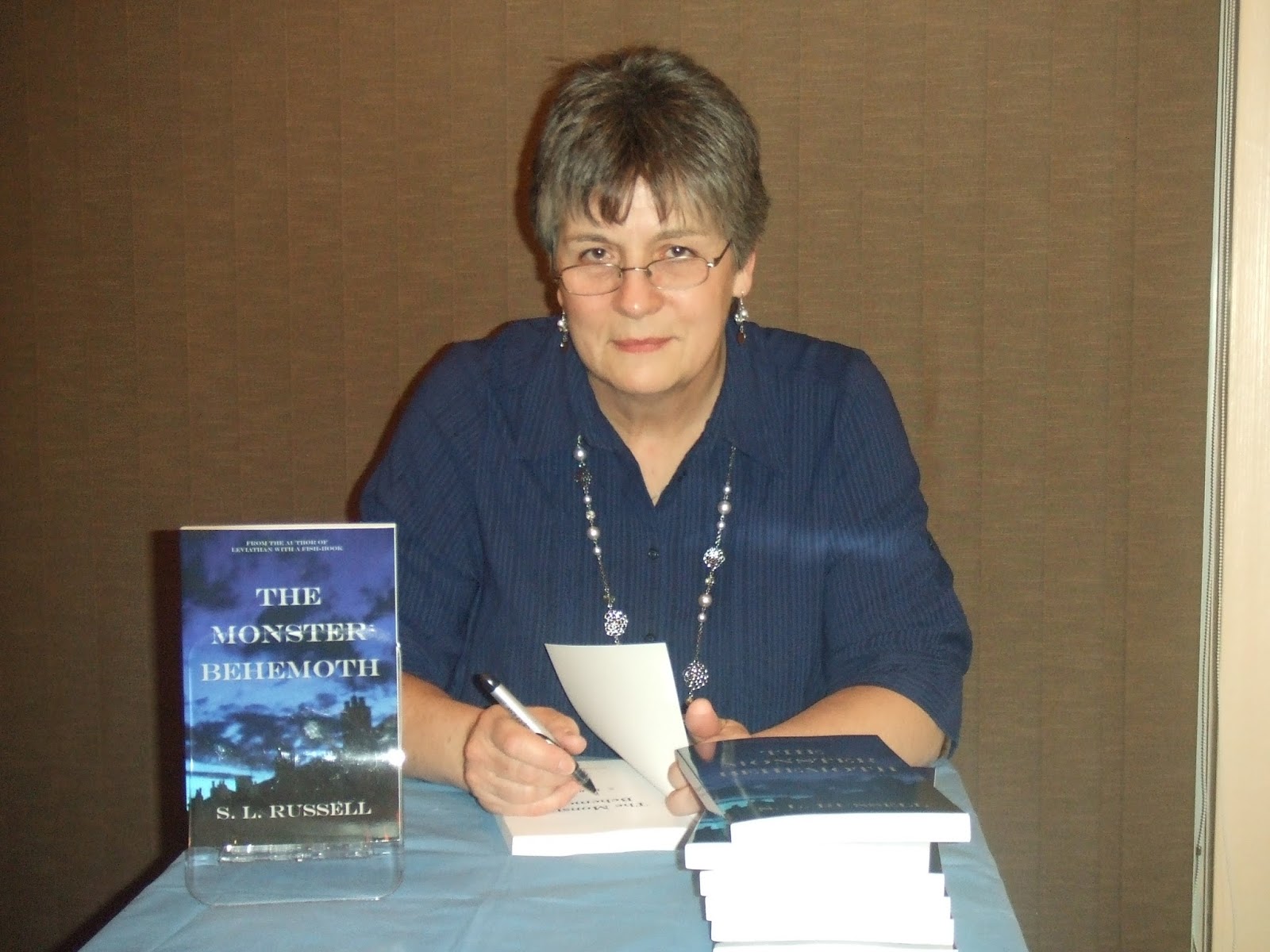
Sue Russell has five novels out in the usual places. A sixth, ‘A Vision of Locusts’, will be published by Instant Apostle in the autumn, and a seventh is even now brewing and festering in her fevered brain. They are all contemporary stories from a Christian viewpoint.