
You bump into someone in the street. ‘Sorry,’ you say.
‘No, I’m sorry,’ says your bumpee.
‘No, my fault,’ you insist.
‘My fault,’ they say. ‘I’m so sorry.’
‘No, really …’
And it could go on for ever, this quest to be the one in the
wrong, if you didn’t both have shopping to do, letters to post, and other
people to apologise to.
wrong, if you didn’t both have shopping to do, letters to post, and other
people to apologise to.
They say it’s a British thing. Whatever it is, my creative
writing tutor, Colin, was determined to stamp it out.
writing tutor, Colin, was determined to stamp it out.
I joined his class in 1995 when my third child had started
school. During that first lesson, he asked a woman to share her work. She
opened her notebook, announced, ‘I’m sorry – it’s not very good,’ and began to
read.
school. During that first lesson, he asked a woman to share her work. She
opened her notebook, announced, ‘I’m sorry – it’s not very good,’ and began to
read.
He interrupted her. ‘Rule Number One,’ he said. ‘We will
never apologise for what we’ve written.’
never apologise for what we’ve written.’
It took us weeks to learn that he meant it. If we launched
into a bumbling, self-effacing, ever so ‘umble apology, he’d put up his hand,
like a police officer stopping traffic, and say, ‘Start again.’
into a bumbling, self-effacing, ever so ‘umble apology, he’d put up his hand,
like a police officer stopping traffic, and say, ‘Start again.’
He wouldn’t accept any of the following:
‘Sorry – it’s not quite finished.’
‘I do apologise – I think it’s a bit rambly.’
‘I’m sorry – I had to rush this before I came out tonight.’
‘I’m sorry – it’s not my best work.’
‘Apologies for this – it’s a bit depressing.’
‘Sorry about this one – it’s not the funny stuff I usually
do.’
do.’
‘Sorry, guys – I didn’t have time to do the usual edit.’
‘Gosh, how can I follow Simon’s? It was brilliant. Well, I
guess I’ll read it anyway.’
guess I’ll read it anyway.’
‘I really struggled with this. I’m sorry if it doesn’t come
over clearly.’
over clearly.’
‘Oh dear, I’ve lost my place. Sorry, sorry. Let me just find
it. I knew this was going to read
badly.’
it. I knew this was going to read
badly.’
The need to apologise beforehand – or during – was as strong
as a Delhi-belly urge: verbal diarrhoea in its purest form.
as a Delhi-belly urge: verbal diarrhoea in its purest form.
Sometimes, we’d even apologise all over again for apologising.
‘I’m losing the will to live,’ Colin would say.
One day, he brought in a pineapple. Don’t ask me why he
chose a pineapple; Colin moved in Mysterious Ways. ‘Every time I sense an apology-fest coming,’ he said, ‘I
will shout “Pineapple!” at which point you must stop explaining, justifying and
second-guessing our reactions, and just read
the damn piece!’
chose a pineapple; Colin moved in Mysterious Ways. ‘Every time I sense an apology-fest coming,’ he said, ‘I
will shout “Pineapple!” at which point you must stop explaining, justifying and
second-guessing our reactions, and just read
the damn piece!’
That was a turning point.
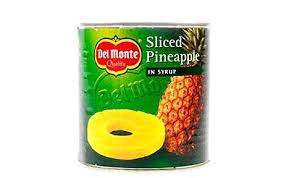 |
| And next week, if you don’t stop apologising, I’ll bring a tin and throw it at you |
‘This is a piece I wrote last night about my grandmother’s
funeral,’ we learned to begin, or ‘I wrote the start of a short story. Here it
is.’
funeral,’ we learned to begin, or ‘I wrote the start of a short story. Here it
is.’
We could request particular critique, but only in positive
terms. These were fine: “Could you listen out for sections you think are
confusing?” or “I’d like to get the girl’s childish voice exactly right. Could
you comment on that?” As Colin put it, ‘Self-aware is fine. Self-deprecating
nonsense, no.’
terms. These were fine: “Could you listen out for sections you think are
confusing?” or “I’d like to get the girl’s childish voice exactly right. Could
you comment on that?” As Colin put it, ‘Self-aware is fine. Self-deprecating
nonsense, no.’
He also pointed out that, sometimes, when we heralded a
piece with ‘This is a bit rubbish,’ it wasn’t lack of confidence at all. It was covert over-confidence. We thought we were the new Stephen King or J K Rowling.
piece with ‘This is a bit rubbish,’ it wasn’t lack of confidence at all. It was covert over-confidence. We thought we were the new Stephen King or J K Rowling.
‘So, I’m not allowing false modesty either,’ he’d say. ‘It’s
not sincere. And if you come to class thinking you’re Booker Prize material,
you won’t listen to anyone’s critique. Go and join Embroidery or Spanish
Cookery: something you think you need help with.’
not sincere. And if you come to class thinking you’re Booker Prize material,
you won’t listen to anyone’s critique. Go and join Embroidery or Spanish
Cookery: something you think you need help with.’
Colin the Harsh, he was, but also Colin the Wise.
Anyway, I’m sorry if you found this blog post a bit …..
Oops! PINEAPPLE!!
Fran Hill is a writer and English teacher from Warwickshire. Her website will tell you lots more and you can buy her book ‘Being Miss’ from there, or a bespoke poem, or a date with Sean Bean or Keira Knightley, or Fran’s how-to guide about making false promises to people.
Originally written by Fran Hill

