
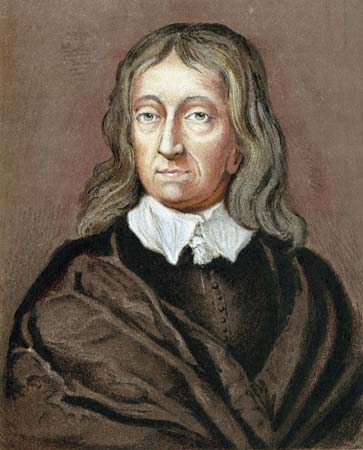
Milton – on his blindness
When I consider how my light is spent
Ere half my days in this dark world and wide,
And that one talent which is death to hide
Lodg’d with me useless, though my soul more bent
To serve therewith my Maker, and present
My true account, lest he returning chide;
“Doth God exact day-labour, light denied?”
I fondly ask. But Patience to prevent
That murmur, soon replies: “God doth not need
Either man’s work or his own gifts; who best
Bear his mild yoke, they serve him best. His state
Is kingly. Thousands at his bidding speed
And post o’er land and ocean without rest:
They also serve who only stand and wait.”
We have probably heard the last line quoted so often it has
become a proverb. But do we know the whole poem? I had to learn it at primary school, which tells you a bit about my age and my English teacher.
What is Milton saying? In fact, only the use of the word
‘light’ tells us he is talking about his own loss of sight. The title was added many decades later by someone else.
It is a poem filled with emotion, with grief, with passion.
And yet Milton’s voice is a measured, thoughtful voice – ‘When I consider how…’ The whole poem combines feeling, reason and spiritual insight in a powerful balance. Milton is not ranting, he is trying to work something out.
The third line only makes sense if you know the parable of
the talents. And that is the clue to his grief. He is not complaining that his quality of life has been spoilt and God is to blame for his blindness; no, his concern is that God should not judge him on the Day of Judgment as unfruitful or unproductive when he now lacks the means to be so. Again, the parable of the talents.
But Patience, the voice of wisdom and love, comes in to
reason with him – reminding him God doesn’t hire us because he needs a job done that he can’t manage himself; God asks us to accept our mortal condition without turning against him. Serving him can simply be an attitude of alert, watchful, faithful love, longing for his return. It is God who gives us fruitful lives, as we serve him with our hearts. Witness the poem itself – still being read after more than three hundred years, and still speaking to us of our special relationship with our Lord.
‘Thousands at his bidding speed and post o’er land and ocean without rest… ’ I know, I’ve met them. They make me feel very small. At the same time, I know when I try to be like them I lose my identity and balance. But this poem reminds us that serving our heavenly King is more radical. He asks us to use the gifts he has given us, but working out what that means in practice might surprise us. Patience? Waiting? Poetry? Oh yes!
|
|
|
Originally written by Eve Lockett

