
My first efforts at ‘writing for the public’ earned
me extra pudding when I was nine and at Junior School. Now I usually get paid with cash, not
treacle sponge, although I’m open to offers.
me extra pudding when I was nine and at Junior School. Now I usually get paid with cash, not
treacle sponge, although I’m open to offers.
School dinners were something consistent
in my childhood, particularly the hot steamed or sponge puddings I looked forward to throughout morning lessons on times tables. They
made up for the erratic nature of meals at home. My mother, an alcoholic,
cooked fragrant, chicken dinners with pigs in blankets on beer days. On sherry
days, I and my two younger sisters made fish paste or jam sandwiches ourselves
while she slept.
I’d found a reason to use my nascent skills with words and rhymes, and get something in return.
I began to bribe the school dinner ladies – they no doubt felt sorry for me as I wasn’t the cleanest or most tidy-haired of children – by writing limericks for them in exchange for
extra crumble or another brimming ladle of custard. I’d hand over a scribbled, clumsy verse on creased paper torn from an exercise book, and they’d re-load my dish and praise my
penmanship while my classmates looked on, envious.
extra crumble or another brimming ladle of custard. I’d hand over a scribbled, clumsy verse on creased paper torn from an exercise book, and they’d re-load my dish and praise my
penmanship while my classmates looked on, envious.
‘That’s not fair. Can we have extra?’
‘Not until you write us a poem.’
This was in 1972, well before equality or Blair-ite ‘Every
Child Matters’ policies.
Child Matters’ policies.
The limericks went something like this. You’ll observe that
my skills with poetry were in their infancy, but that my long-term relationship
with Weightwatchers was already foreshadowed.
my skills with poetry were in their infancy, but that my long-term relationship
with Weightwatchers was already foreshadowed.
A lunch lady called Mrs Poole
was mean with the puds as a rule
but often she would
give Fran extra pud
just to get her through afternoon school.
Or
One day, Mrs Brown said I could
have a bit more of her toffee pud.
If I wrote like a dream,
she would even add cream,
‘cause she thought that my limericks were good.
My mum died when I was fourteen, and I was fostered. By
then, I’d stopped writing in exchange for puddings. Instead, I wrote as a
substitute for talking. I refused to speak to my foster parents often after rows
about homework or whether a particular boyfriend and his roaring-black motorbike were suitable. I would write a
poem, full of rage and intensity, threats to run away, and references to
blackness, and pin it on a board in my room. They would read it while I was at
school, and write a reply.
We conversed like this for a week at a time until I
ran out of metaphors for angst.
ran out of metaphors for angst.
My foster parents hung on. God helped them; they were
committed Christians. At seventeen, I too began to believe, convinced by their
steady witness and bloody-mindedness.
committed Christians. At seventeen, I too began to believe, convinced by their
steady witness and bloody-mindedness.
I was an over-zealous new Christian, binning my blue
eyeshadows and giving away Osmonds albums because I discovered my pop idols
were Mormons. And I burned hundreds of my poems, thinking that I had ‘heard God’ asking me to. They were badly-written outpourings from a troubled
teenager’s psyche and some of the language and themes weren’t pretty. But I regret it, and
doubt that God had said anything of the sort.
Thus, not many of my early writings remain, unless, Mrs
Poole, you’re out there, clutching custard-stained copies of my limericks and
waiting, waiting, waiting for me to become famous.
Poole, you’re out there, clutching custard-stained copies of my limericks and
waiting, waiting, waiting for me to become famous.
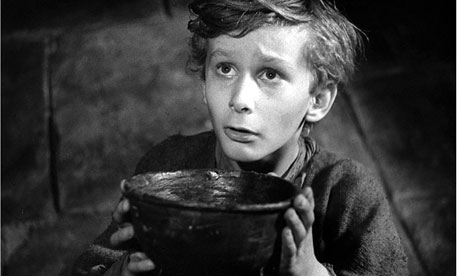 |
| If only I’d worked harder on my poetry, thought Oliver |
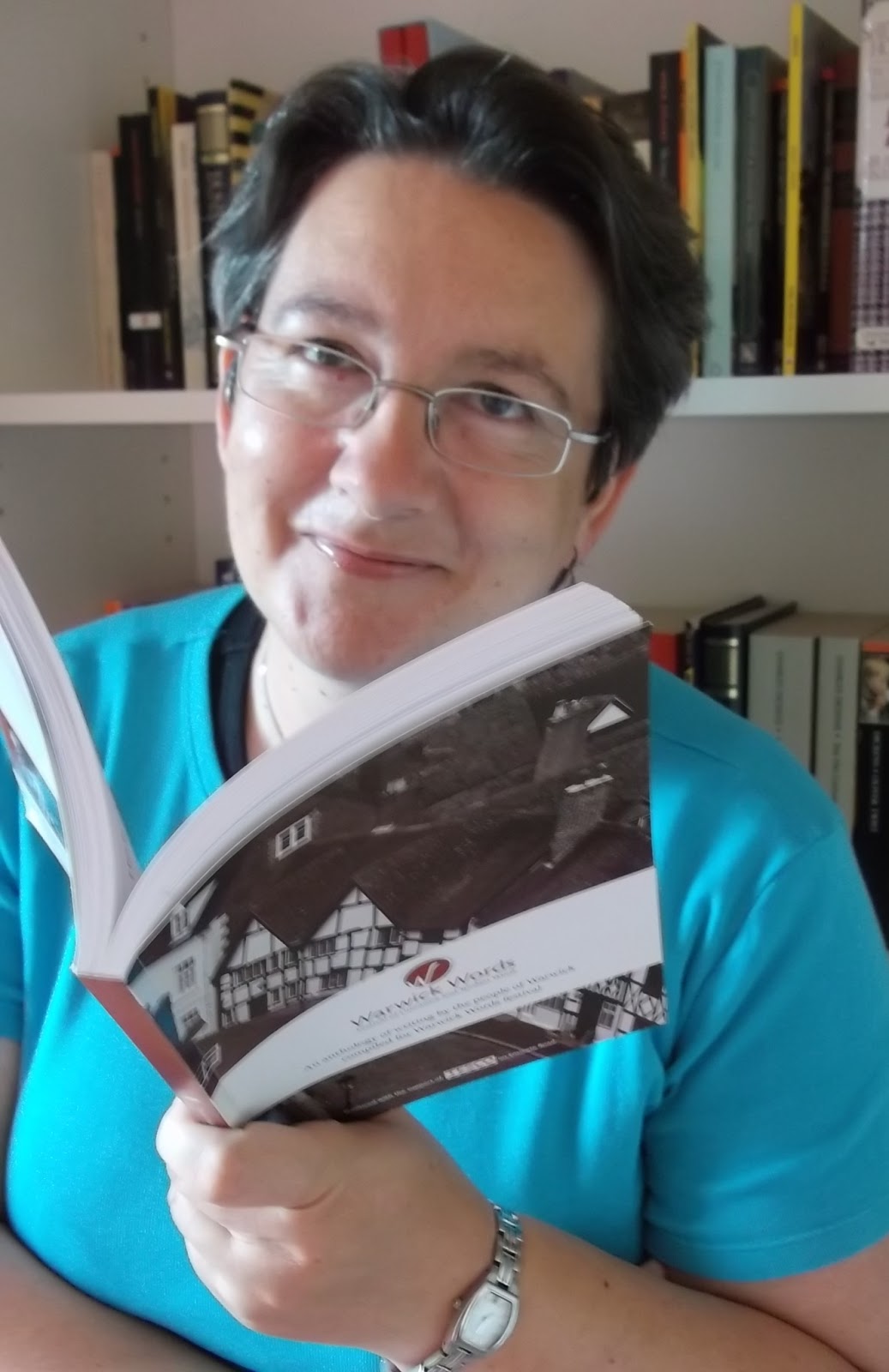
Originally written by Fran Hill

