
Recent discussions in the ACW FB group have revolved around
how to make characters sympathetic or likeable. Lots of useful advice was offered
from giving them relatable weaknesses to letting them have a pet. That last one
got me thinking. As some of you may know, in addition to being an author, I
lecture scriptwriting in a university Creative Writing department for a living
– well, sort of a living (see what I did there? I made myself vulnerable and
relatable; do you like me more now…?).
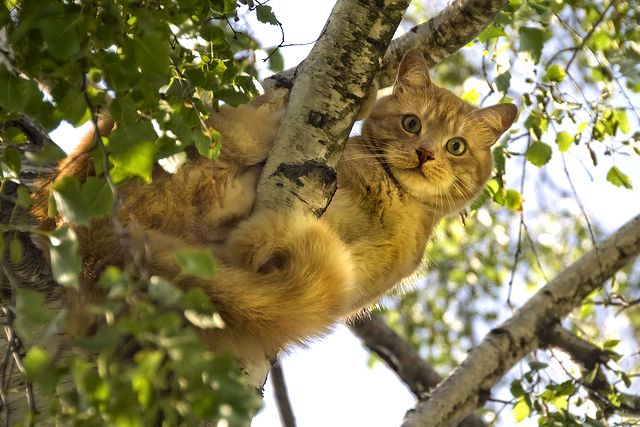
But, back to the cat. One of the most influential
screenwriting ‘gurus’ of the last 15 years is the late Blake Snyder, whose book
‘Save the Cat’ catapulted to the top of bestsellers’ lists. http://www.savethecat.com/ Now, if you
click through to his site – or that of most screenwriting teachers – you may
well be put off by the tone of ‘this is the best / last / only book on
screenwriting you will ever need’. I know I am. So it may seem ironic that one of the areas on
which screenwriting teachers focus is how to make characters likeable and
relatable to their target audience. The key here is the target audience.
It is important to note that what you and I may consider brash and off-putting
may be perceived by other people as self-assured and confident – this guy knows
what he’s talking about! – and that’s a value which in some quarters is held in
high esteem.
Snyder (who has copyrighted the phrase Save the Cat, just in
case you were thinking of nicking it) refers to an ‘obligatory’ scene in a film
where the hero, who we may have seen doing some unpleasant things already, does
something kind to reveal his ‘true’ character (saves the cat / child / old lady;
smiles at a kid; gives money to a beggar etc). He may look like a foul-mouthed,
short-tempered drunk who has a nasty habit of beating people up, but inside
he’s really a good guy. Most films – certainly mostHollywood
genre films – will have this scene in the first ‘act’, usually before the
inciting incident takes place.
case you were thinking of nicking it) refers to an ‘obligatory’ scene in a film
where the hero, who we may have seen doing some unpleasant things already, does
something kind to reveal his ‘true’ character (saves the cat / child / old lady;
smiles at a kid; gives money to a beggar etc). He may look like a foul-mouthed,
short-tempered drunk who has a nasty habit of beating people up, but inside
he’s really a good guy. Most films – certainly most
genre films – will have this scene in the first ‘act’, usually before the
inciting incident takes place.
Contrived? Yes. So why do they do it? Well, there’s an
academic theory known as Audience Reception Theory. At its most basic it means
that the culture and shared values of the recipients of the text / screenwork /
artwork help to determine its meaning. The key here is what the audience
‘values’. As a writer it is important to understand what your readership /
audience consider good characteristics and which bad. If you are
writing romances, you need to know that readers want the boy and girl to get
together at the end. If you are writing dystopian thrillers, know that your
readers will be suspicious of authority and characters representing it. In the
romance, a ‘save the cat’ scene may involve a woman who has sworn off men but
we are given a glimpse of her smiling fondly at an elderly married couple. In
the dystopian thriller it might involve a character working for the
establishment but then choosing to turn a blind eye to a minor misdemeanour.
Both examples create empathy by establishing shared values with your readership
and the promise that at the end the character’s true nature will emerge.
Do you know what your readers value? How might that affect
your characterisation? Perhaps you need to Save the Cat.
your characterisation? Perhaps you need to Save the Cat.
Fiona Veitch Smith is a writer and writing lecturer,
based inNewcastle upon Tyne . She writes
across all media, for children and adults. Her children’s books The
Young David Series and the Young Joseph Series (to be published August
2016) are available from SPCK. Her mystery novel The
Jazz Files, the first in the Poppy Denby Investigates Series, is
published by Lion Fiction, the second, The Kill Fee, will be coming
out in September 2016 . Her novel The
Peace Garden is self-published under
Crafty Publishing http://fiona.veitchsmith.com
www.poppydenby.com
based in
across all media, for children and adults. Her children’s books The
Young David Series and the Young Joseph Series (to be published August
2016) are available from SPCK. Her mystery novel The
Jazz Files, the first in the Poppy Denby Investigates Series, is
published by Lion Fiction, the second, The Kill Fee, will be coming
out in September 2016 . Her novel The
Peace Garden is self-published under
Crafty Publishing http://fiona.veitchsmith.com
www.poppydenby.com
Originally written by Fiona Veitch Smith

