
I temporarily mislaid my car keys today. Not an unusual occurence, but this time they seemed to have completely vanished in the murky depths of my handbag. Nothing for it but to tip the lot out onto the kitchen table. I won’t photograph the contents of my bag to illustrate this – I have to keep a bit of dignity.
Suffice to say that when I surveyed the scattered items on my kitchen table, I wondered what they said about me. I threw away a few bits of wrapping that told the world I was a chocolate lover, then tore up a few old train tickets from day visits to London. I didn’t think the two red paper napkins were of much use now they were so crumpled, so they went in the bin too. I carefully flattened the programme from a school concert which featured two of my granddaughters (cousins). I put back other important items; a notebook and three of the five pens. I also returned the church key, my purse, a small magnifying glass, mirror, lipstick and foundation. And a few other odd bits like the pick for a ukulele, rosin for a bow, a memory stick and a little pack of tissues. The odd earring I kept out hoping I could match it to one of the several stored upstairs, waiting for their partners to turn up.
So what have you learnt about me from the contents of my bag? We carry around a wealth of information about ourselves. Sometimes my diary is in the handbag and my mobile phone. Anyone who found it then could very quickly build up a profile of me and my life.
How about turning this on its head? If we want to write rich characters with ‘real’ lives, it may be useful to imagine what they would carry around with them. If the protagonist is a man, then we may have to substitute pockets or laptop bags for handbags, but the idea is the same. My teenagers in Losing Face don’t generally carry handbags but their pockets contain mobile phones, tissues, a few feminine items, and Cass has enough of her specialised make-up to patch up over her scars if necessary, while Em carries a blue lippy. Their school bags are different, reflecting their characters, with Cass’s neat and ordered and Em’s rather more chaotic.
Let’s consider the hero or heroine of your soon-to-be-bestseller. What does he or she carry at the beginning of the novel and is it the same at the end? If it is your autobiography that you are working on, have the contents of your bags changed as your story has unfolded? And what has been left behind? Is it important? And are we just considering physical contents of a bag, or will applying this to feelings and emotions feed into the plot or the telling of the true tale?
I’d better go – I have an imaginary bag or two to unpack.
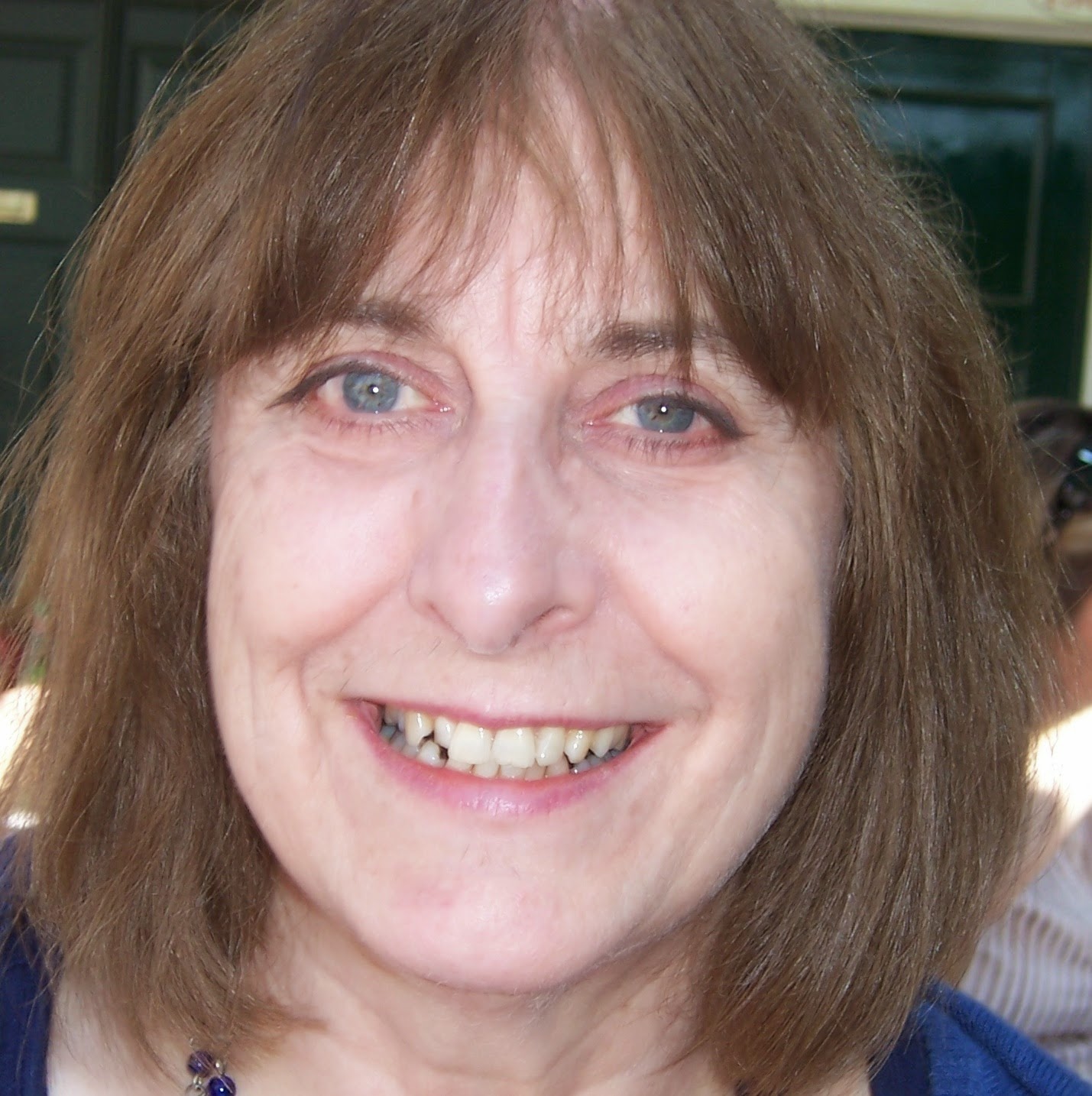
Annie Try is the pen-name of Angela Hobday. She lives in West Norfolk with Ken, her husband. Trained as a Clinical Psychologist, she has been writing for a long time, gradually building up to publishing four therapy books with a colleague but now concentrating on fiction. She has one YA novel published, Losing Face. Her book for adults, Trying to Fly, will be out early next year.

