
I find novels which explore themes or conventions connected
with writing particularly absorbing. Ian
McEwan’s Atonement is a favourite.
with writing particularly absorbing. Ian
McEwan’s Atonement is a favourite.
Granted, McEwan can go overboard on detail. My son
once groaned, when studying a McEwan novel for A level Literature, ‘Someone
only has to spit and he takes two
pages to describe its trajectory.’
once groaned, when studying a McEwan novel for A level Literature, ‘Someone
only has to spit and he takes two
pages to describe its trajectory.’
Nevertheless, Atonement
explores so many aspects of writing. One is via the main character Briony, a
child so obsessed with the world of the imagination that she fabricates
something she’s seen and spends her life regretting the results, hence her
attempt to ‘atone’. She muddies the boundaries between fiction and reality
because her writing and need to be ‘heard’ dominate her childhood.
I won’t be the only ACW member who has suffered from Briony-itis
…
…
Definitions of Briony-itis from the Official Fran
Dictionary:
Dictionary:
1) when the creation of fictional worlds nudges past its
accepted boundaries and results in things you regret, such as burnt muffins or
a missed dental appointment/birthday/whole month [delete as appropriate].
accepted boundaries and results in things you regret, such as burnt muffins or
a missed dental appointment/birthday/whole month [delete as appropriate].
2) when the need to be ‘heard’ results in
disappointment/disillusionment/desperation/despair [delete as appropriate] and
other things beginning with D, but not Diet.
disappointment/disillusionment/desperation/despair [delete as appropriate] and
other things beginning with D, but not Diet.
Atonement also plays
with narrative conventions – I don’t think it’s a spoiler to say that by the
end of the novel we learn that our perceptions of what we’ve just read were
misguided. It comes as a shock, but
through it McEwan says plenty about the way fiction can manipulate our
expectations.
with narrative conventions – I don’t think it’s a spoiler to say that by the
end of the novel we learn that our perceptions of what we’ve just read were
misguided. It comes as a shock, but
through it McEwan says plenty about the way fiction can manipulate our
expectations.
Professor John Mullan says it so much better than I could. Here’s his
discussion of the difference between metanarrative (what McEwan does in Atonement) and metafiction, just in case you’re looking for a procrastination opportunity.
discussion of the difference between metanarrative (what McEwan does in Atonement) and metafiction, just in case you’re looking for a procrastination opportunity.
Dodie Smith’s I
Capture the Castle features a teenage narrator who writes ferociously in a
diary every day (which forms the book’s narrative). Cassandra begins by explaining: ‘I write this sitting in the kitchen sink.’ It wins my Best
First Line of a Novel vote.
Capture the Castle features a teenage narrator who writes ferociously in a
diary every day (which forms the book’s narrative). Cassandra begins by explaining: ‘I write this sitting in the kitchen sink.’ It wins my Best
First Line of a Novel vote.
By using the diary form, Smith draws us into the
world of her narrator, pulling in our loyalty and sympathies. Penelope Lively in this Guardian review calls it ‘confessional’
in style and the immediacy of it, many sections written just after events
occur, means the reader is in the midst of events along with Cassandra. This character, like Briony, uses writing as a
survival tactic. Her father, too, is a writer, and his failures (see Definition
2 of Briony-itis above) form part of the narrative.
Lionel Shriver’s We
Need to Talk About Kevin, like Smith’s novel, is written in epistolary
form: that is, as a series of documents. This time, though, the shocking tale comprises
a run of letters from Eva, the mother of a boy who commits a mass killing in
his school, to her husband. In them, she
relates memories of bringing up Kevin, and explores reasons why he turned out
as he did. A shock revelation late into the novel about these letters
highlights themes about writing, and why we write. If you haven’t seen the
film, starring Tilda Swinton, it’s one to watch, but not alone on a dark night, or in a detached house in an isolated village. By the way, if
you order the novel from Amazon, and you find it’s called We Need to Talk About .. Kevin Bridges you have bought a book about
a comedian by mistake and there won’t be a film version starring Tilda Swinton.
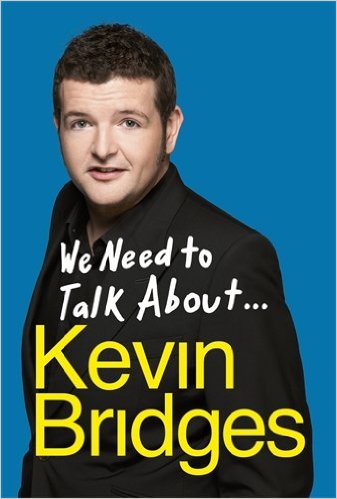 |
| … but it will still be a book about writing and he makes me laugh – I’ll be reading it |
Have you read Rachel Joyce’s novel The Unlikely Pilgrimage of Harold Fry? It begins
with a letter from an old flame, Queenie, which sets Harold off on a quest to
see her once again before she dies. I’ve just finished the sequel. The Love Song of Miss Queenie Hennessey is a series of letters written to Harold as he journeys towards her. Both
novels explore themes of love and loss and the letter format only serves to
increase the poignancy, reflecting as it does the separation between the two
main protagonists.
So: writing about writing. Any other recommendations? It’s always helpful to be able to say, ‘No, I’m not reading just for pleasure. This is research.’
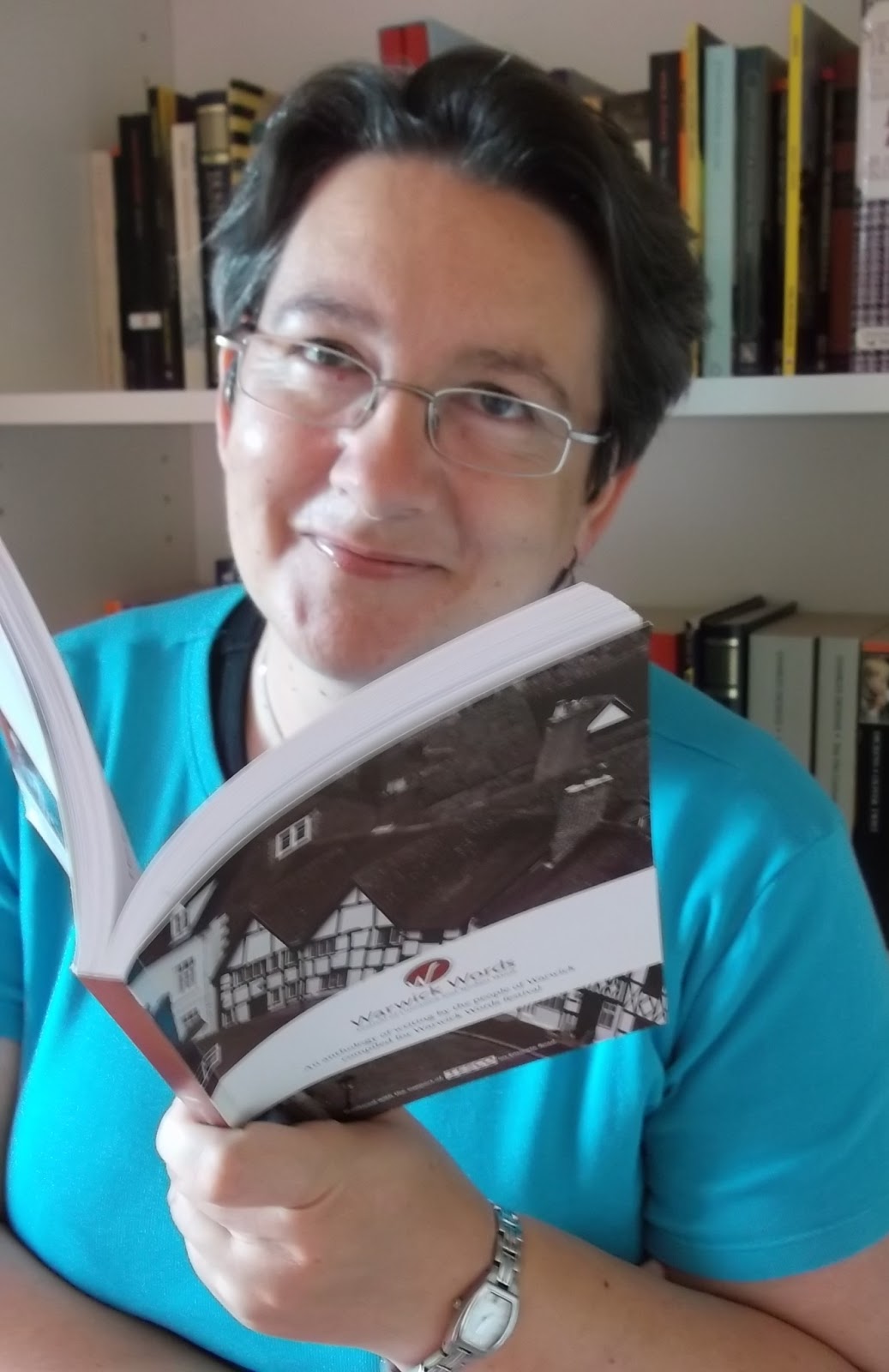
Fran Hill is a humour writer and English teacher from the Midlands. She writes for TES, the weekly national publication for teachers, and for other educational and faith-based publications. Her novella ‘Being Miss’ is available on Kindle here and, in paperback, from her website here. Her website will also tell you how you can commission a funny poem for a special occasion. Fran blogs regularly here.
Originally written by Fran Hill

