
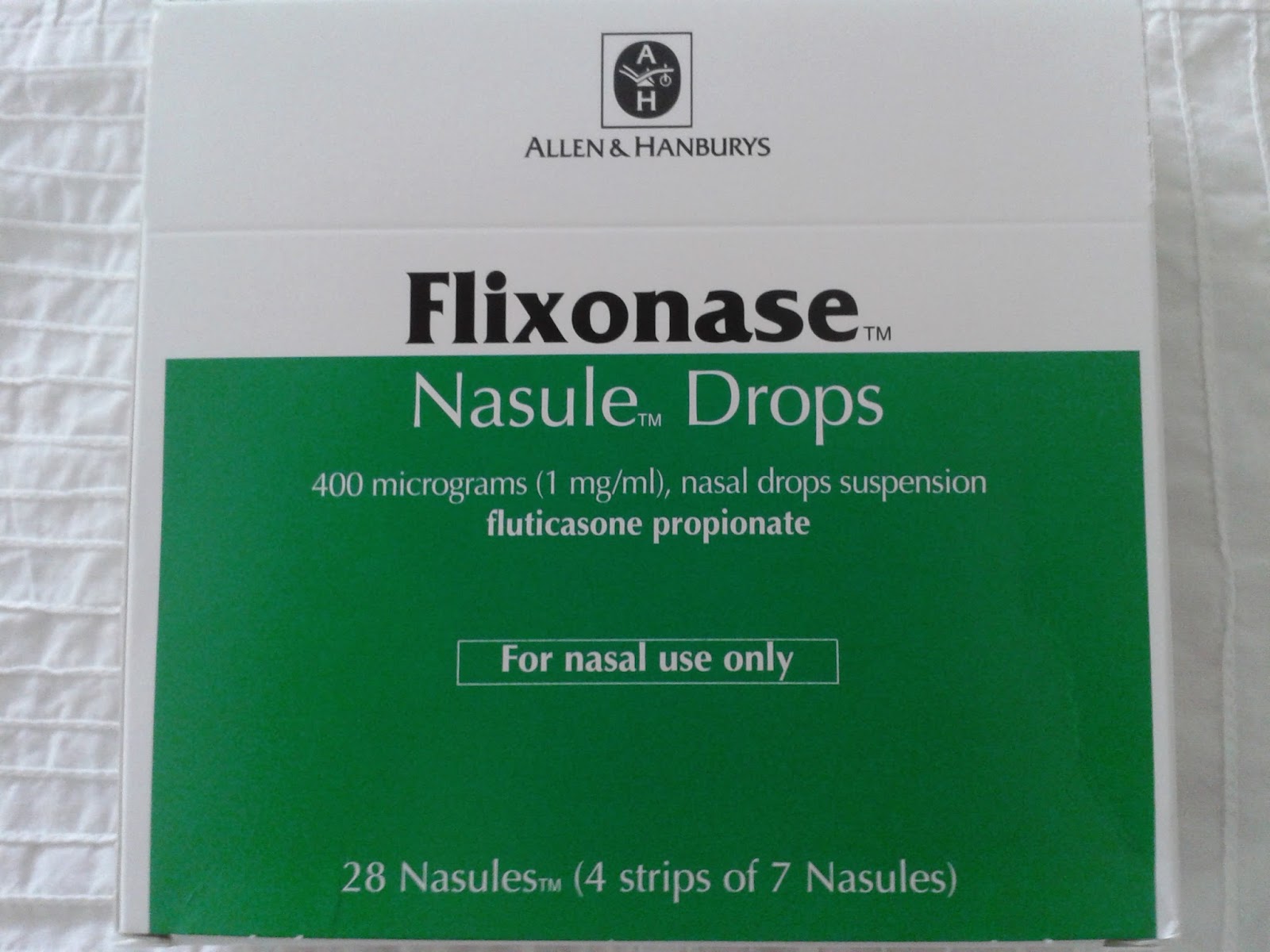
“One moment, Madam…”
The lad in the chemist seems impossibly young to be talking this way.
He brandishes my prescription, nodding.
“I think we’ve got this in, but I’ll just need to check with the pharmacist.”
It is a small Boots and the lady in question is precisely one step away behind a counter. He could have leaned back and brushed his impressively long ponytail against her face, if he’d wanted to.
He walks around the counter (or moves one leg round it) until he is precisely in line with her and speaks to her softly. I strain to hear but he’s too quiet.
“The spray is it?” she barks, in one of those impressively commanding Irish accents. I step back in alarm, wobbling into a leaflet display.
“Er, no, the nasule drops,” I tell her. But I don’t think she can hear me, partly because I’m always faintly embarrassed by the word nasule (I mean, can it be a real word?) and also because I’m simultaneously bending down to pick up an “Incontinence and You” leaflet which strayed under the counter. I replace it roughly on the stand avoiding sympathetic looks from the queue.
“The drops? What kind of drops?” They’re both looking at me enquiringly, as is just about everyone in the small shop.
“The…the NAS-ule drops,” I say, hating the sound of the word so much. It’s the most unpleasant combination of phonemes ever. It’s just not a word I like saying.
She nods.
The episode got me thinking. Language – its component parts, including the non-verbal – has such power to influence. Just that short exchange in the chemist with its weirdness – the inappropriate formality of the boy compared to the abruptness of the pharmacist – combined with the whole nasule thing had me thinking twice before going in again. But I’ve since got to know these two people and they are delightful. First impressions can be misleading.
What kind of impression do we give others through our use of written language, our interactions on social media and our one-to-one encounters in real life? It’s not just what we say but the way we say it, our use of non-verbal communication, our manners. This, I think, is probably an old fashioned word these days meaning a person’s outward bearing or way of behaving towards others. I think it is often underrated, conveying myriad messages about out intentions and attitudes whether we like it or not.
As followers of the Way, we need to be careful how we come across when we write or interact, particularly when we feel passionate about something. Jesus did not always mince his words but He was always guided by the foundational principles of love and concern – wanting the best for others. I was impressed to see when I started my new job last week that there is an email protocol including the reminder that despite greater informality than letters, staff should always take the time to be polite and to phrase emails with attention to detail, so that possible negative impact can be avoided. We have the same challenges when we communicate with readers, editors, agents and each other whether on-line or personally. It’s easy to rattle off a quick witted response to someone’s comment on Facebook, later realising we don’t really have the depth of relationship to sustain such humour. On the other hand, a good bit of banter can lighten our day, if done in the right spirit, desiring to encourage or entertain. And always in love.
Finally, it’s good to remember that, like my early chemist experience, first impressions can be misleading.
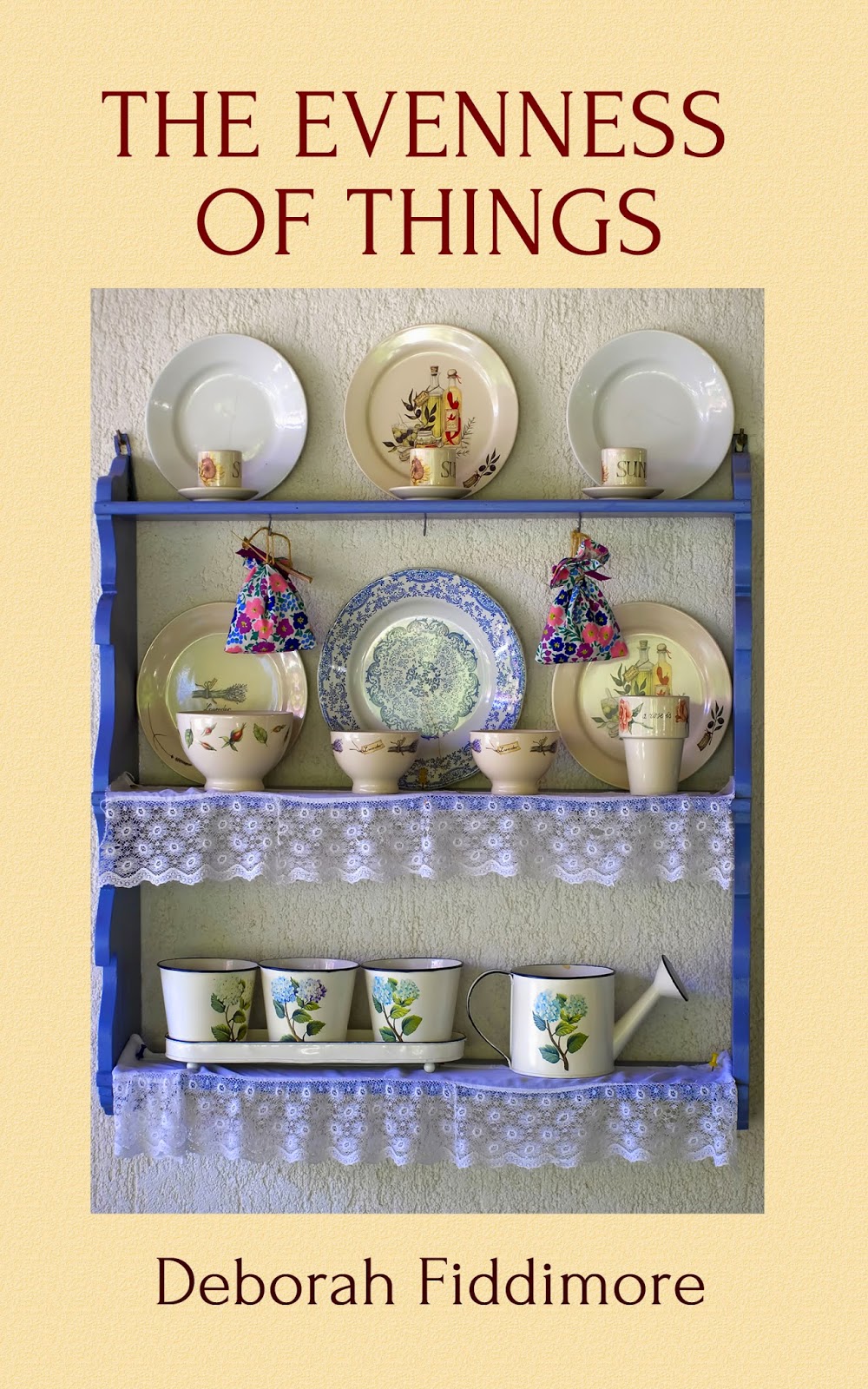
Click on the link to view the book on Amazon
Deborah Jenkins is a primary school teacher and freelance writer who has written articles, devotional notes and short stories. She has recently completed a novella, The Evenness of Things, available as an Amazon e-book and is currently working on a full length novel.. Deborah loves hats, trees and small children. After years overseas with her family, she now lives in south-west London with her husband, a Baptist minister, and a cat called Oliver.

