
‘Before we get back
to analysing Macbeth,’ I said to my Year
11 class of fifteen-year-olds at the start of the lesson, ‘guess where I taught
yesterday on my day off.’
to analysing Macbeth,’ I said to my Year
11 class of fifteen-year-olds at the start of the lesson, ‘guess where I taught
yesterday on my day off.’
They listened. Put off analysing Macbeth? Yes, please!
‘Let me describe it to you,’ I said. ‘It was an all-day
poetry workshop.’
poetry workshop.’
‘All DAY on poetry?’ one said, as though this were the
literary equivalent of being force-fed Brussels sprouts.
literary equivalent of being force-fed Brussels sprouts.
‘Hear me out,’ I said. ‘These particular students were
attentive throughout. No one talked to their classmate, or put their head on
the desk, or yawned or said they were so bored they could eat their own earwax.’
attentive throughout. No one talked to their classmate, or put their head on
the desk, or yawned or said they were so bored they could eat their own earwax.’
My class looked sceptical.
‘Also,’ I said. ‘When they’d written poems, they were all
keen to read them out. So, everyone participated. They listened carefully to
each other’s work, and made constructive, perceptive comments. No one
complained at getting honest feedback.’
keen to read them out. So, everyone participated. They listened carefully to
each other’s work, and made constructive, perceptive comments. No one
complained at getting honest feedback.’
Year 11 eyebrows had never risen higher.
‘And,’ I said, ‘when they left, they shook my hand, thanked
me, and said they had thoroughly enjoyed the day’s lessons. That evening, by
email, I received a list of all their appreciative comments. Come on, then.
Guess where I was teaching.’
me, and said they had thoroughly enjoyed the day’s lessons. That evening, by
email, I received a list of all their appreciative comments. Come on, then.
Guess where I was teaching.’
‘Oxford University?’ one said.
‘Rugby School?’ said another.
‘Eton?’
‘In your dreams?’ said a boy hoping one day to rival Michael
McIntyre.
McIntyre.
‘None of those,’ I said. ‘I was teaching at a Category B
prison, running poetry workshops for male prisoners.’
prison, running poetry workshops for male prisoners.’
They laughed. ‘Yeah, right, Miss.’
‘It’s true,’ I said. ‘And I’ve never taught more
enthusiastic, appreciative students.’
enthusiastic, appreciative students.’
We didn’t get round to Macbeth
that lesson. Year 11 were too keen to know what Category B meant and what kinds
of crimes the men might have committed. I told them I’d taken most of the day’s
sessions in a small room on the sex offenders’ wing, next door to a cell.
that lesson. Year 11 were too keen to know what Category B meant and what kinds
of crimes the men might have committed. I told them I’d taken most of the day’s
sessions in a small room on the sex offenders’ wing, next door to a cell.
‘Weren’t you nervous, Miss?’
‘Less nervous than when Ofsted inspected this class,’ I
said. ‘Anyway, I had a female guard with me.’
said. ‘Anyway, I had a female guard with me.’
‘Did she have a gun?’
‘No,’ I said. ‘But she had a pager in case of trouble.’
‘Just a pager? And
you did poems?’ they said, as though studying poetry itself would incite violence.
you did poems?’ they said, as though studying poetry itself would incite violence.
I explained that, at the jail, any ‘creative’ arts such as
poetry or painting sessions could only be offered to the prisoners if
volunteers ran them. ‘They can do qualifications, to better their education,
but there’s no money in the system to do anything else.’
poetry or painting sessions could only be offered to the prisoners if
volunteers ran them. ‘They can do qualifications, to better their education,
but there’s no money in the system to do anything else.’
‘Could they all write?’ one said.
‘Some were doing degrees in prison,’ I said. ‘And some clearly
had a real gift for writing, but hadn’t realised it.’
had a real gift for writing, but hadn’t realised it.’
Year 11 wanted to know if attendance at the workshops had
been compulsory.
been compulsory.
‘They hadn’t been forced in under threat of death, if that’s
what you mean,’ I said. ‘Many sign up for a class rather than being in a cell
for a day. Wouldn’t you?’
what you mean,’ I said. ‘Many sign up for a class rather than being in a cell
for a day. Wouldn’t you?’
‘Er -‘
‘Education looks different when your access to it is
limited,’ I said, ‘or you realise you wasted your first chances.’
limited,’ I said, ‘or you realise you wasted your first chances.’
‘Hm,’ one girl said. ‘This sounds like a lecture coming.’
‘Not at all. I just thought I’d tell you about my
day. Anyway, there’s the lunch bell. Go and get your gruel.’
day. Anyway, there’s the lunch bell. Go and get your gruel.’
As they went out, one boy said, ‘Thanks for the lesson,
Miss,’ and winked.
Miss,’ and winked.
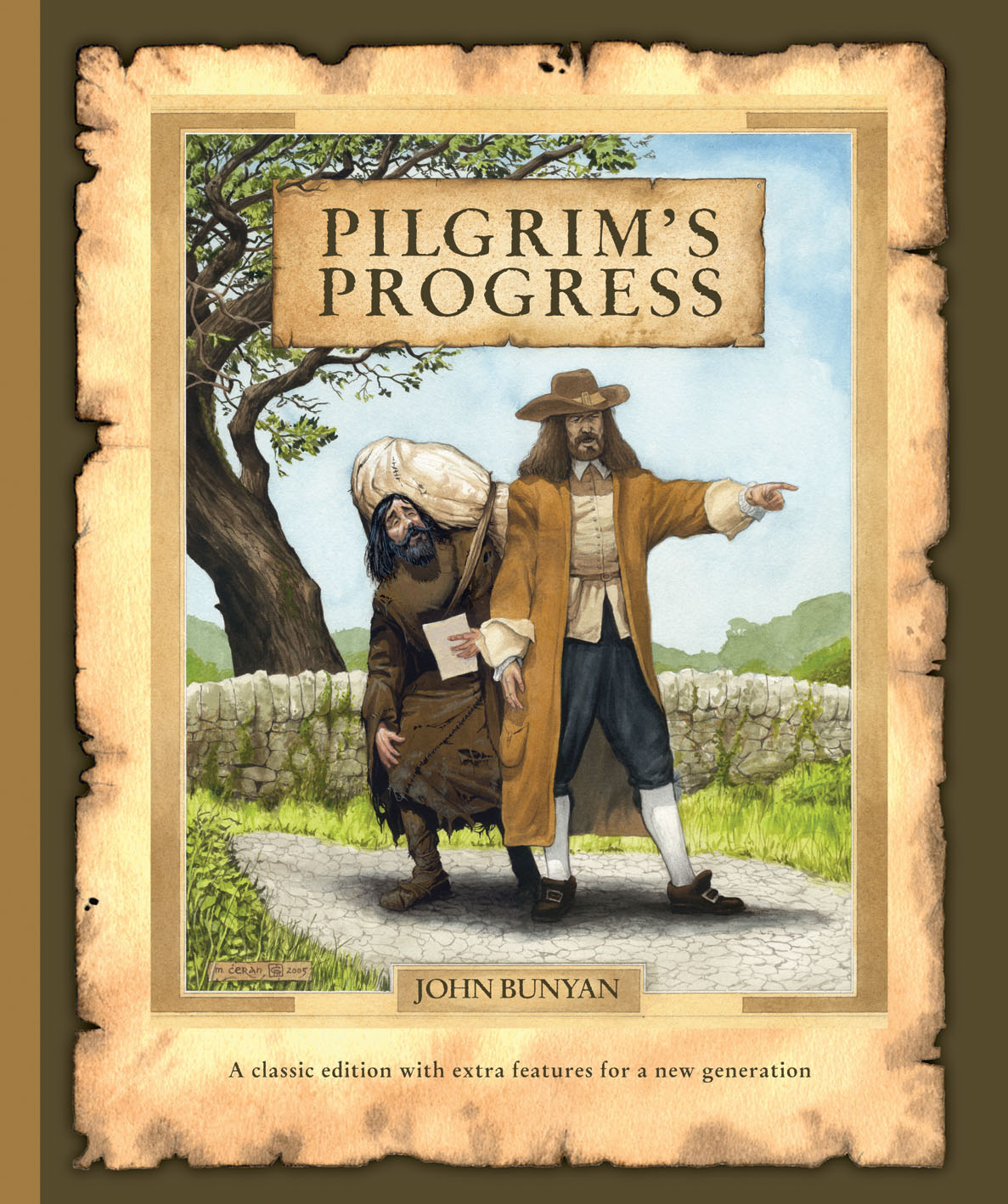
Another time, I’ll tell them where John Bunyan was when he wrote this.
Originally written by Fran Hill

