

We all know in our heads that
everything comes from God. As Christians we accept that God is our Creator, and
that He gives us everything we have, including our bodies, minds, hearts,
souls, relationships, possessions, and so on. This should be a source of endless
gratitude, whereas most of the time we take it for granted.
everything comes from God. As Christians we accept that God is our Creator, and
that He gives us everything we have, including our bodies, minds, hearts,
souls, relationships, possessions, and so on. This should be a source of endless
gratitude, whereas most of the time we take it for granted.
As writers, we acknowledge also that
whatever talent or skill we have comes from God. He gives us imagination,
creativity, inspiration and dreams which cause us to write in the first place.
He gives us ability with language, to learn words, and to string those
collections of letters into sentences, that convey meaning. What an amazing
skill that is!
So it follows that whatever we write is
not only ours, but also God’s. We like to think that we own the copyright to
whatever we write, but the fundamental truth is that He owns us, and everything
else too, so our claims to ownership and rights seem somewhat petty.
not only ours, but also God’s. We like to think that we own the copyright to
whatever we write, but the fundamental truth is that He owns us, and everything
else too, so our claims to ownership and rights seem somewhat petty.
I find this a freeing thought. When I
write novels, they’re not just my own little pet project, my precious baby, but
a collaborative effort from start to finish. God is always our co-author, and
we’re writing together.
write novels, they’re not just my own little pet project, my precious baby, but
a collaborative effort from start to finish. God is always our co-author, and
we’re writing together.
As Christian Writers we hope that all
we write will glorify Him. So it’s worth checking with Him the initial idea,
the tone and style, and to remove anything that is unworthy of Him. And we aim
for our writing to be as good as it can be, not merely for our own sakes, but
also to serve and please Him.
we write will glorify Him. So it’s worth checking with Him the initial idea,
the tone and style, and to remove anything that is unworthy of Him. And we aim
for our writing to be as good as it can be, not merely for our own sakes, but
also to serve and please Him.
There’s one aspect of the whole writing
process where I’ve found God’s involvement particularly helpful. You may think
I’m about to say “the initial idea”, or “getting a publisher”, and of course
you’re right: God’s help with that is invaluable. But the stage of the process
I’m thinking of is getting critiqued and edited.
process where I’ve found God’s involvement particularly helpful. You may think
I’m about to say “the initial idea”, or “getting a publisher”, and of course
you’re right: God’s help with that is invaluable. But the stage of the process
I’m thinking of is getting critiqued and edited.
We’re probably familiar with the
feelings that arise when someone criticises our work, or suggests changes. We
become defensive, possessive, or even aggressive: “How dare they attack my
precious work!” I can’t say I’m particularly good at this, but what I try to do
is to remember that it’s fundamentally not my piece of work, but God’s.
This allows us to stand back a little
from our writing, to create a distance and help us to view it objectively. The
criticism isn’t of us, personally, but of the writing. The aim of the editing
and critique, we hope, is to make it better, to be more worthy of Him, more
glorifying to Him.
from our writing, to create a distance and help us to view it objectively. The
criticism isn’t of us, personally, but of the writing. The aim of the editing
and critique, we hope, is to make it better, to be more worthy of Him, more
glorifying to Him.
So when we’re in a local writers’ group
and our work is being discussed, or when we receive the sheaf of comments back
from the editor, imagine the Lord God sitting there beside us at the time,
saying: “Okay, let’s see what we can do together to improve this piece of
writing, shall we?”
and our work is being discussed, or when we receive the sheaf of comments back
from the editor, imagine the Lord God sitting there beside us at the time,
saying: “Okay, let’s see what we can do together to improve this piece of
writing, shall we?”
To God be all the glory.
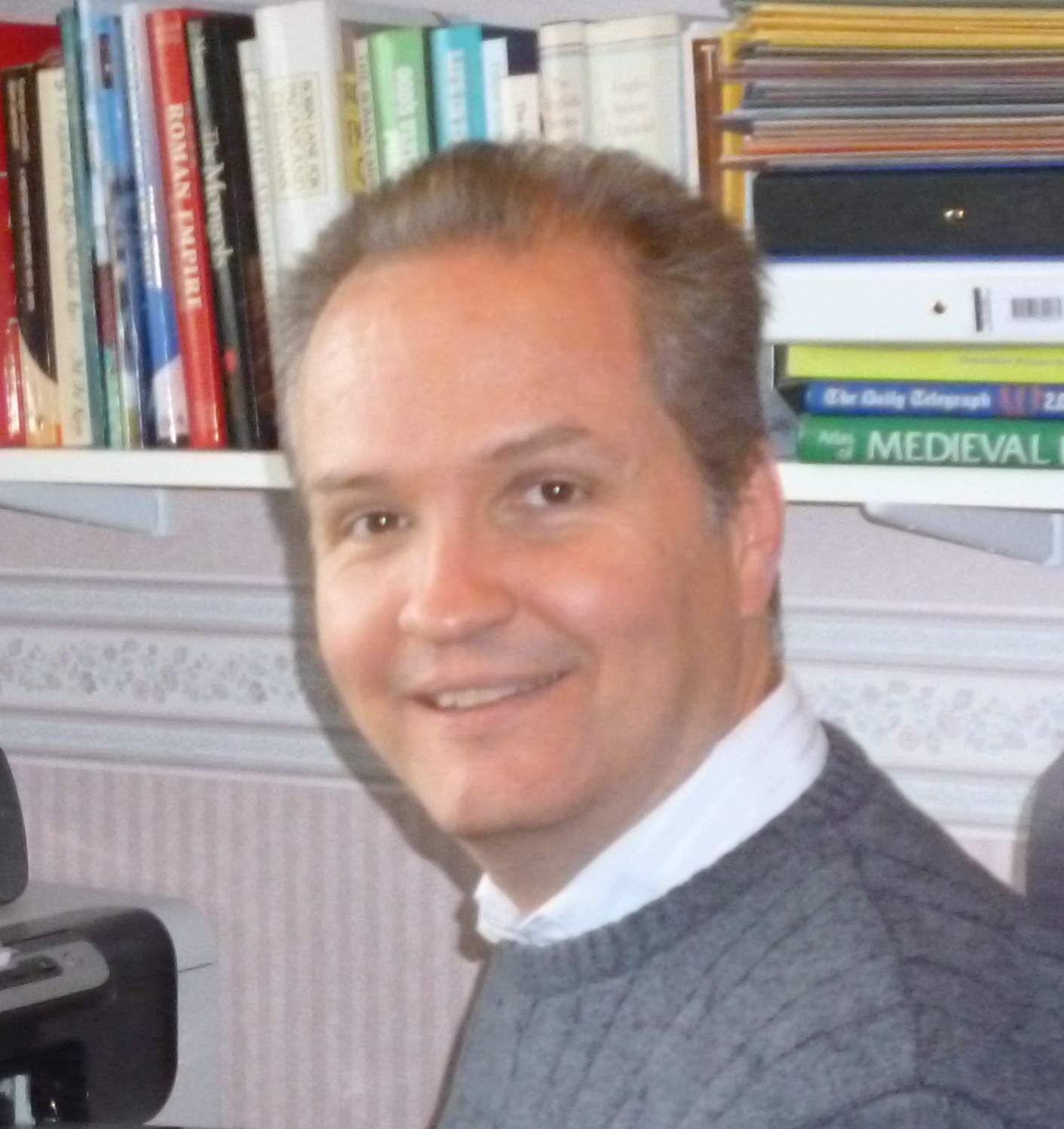
Revd
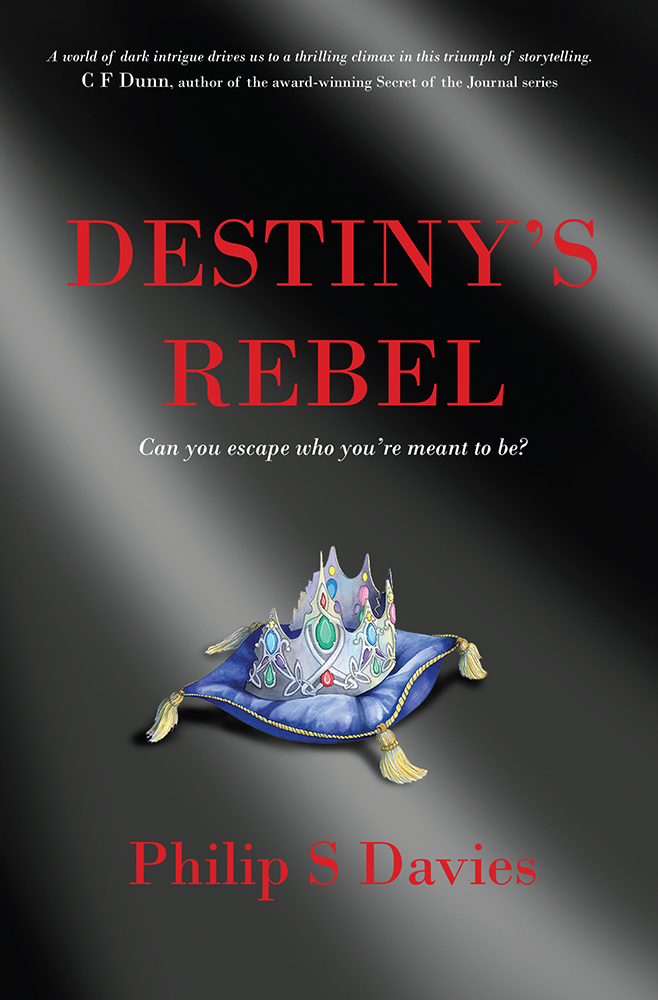
Philip S Davies has served as clergy in the Church of England since 1997, and
now writes full time. His debut teenage fantasy novel, Destiny’s Rebel, is
released by Books to Treasure on 15th September. He is Chair of the Association
of Christian Writers, and his website is: www.philipsdavies.com.
Philip S Davies has served as clergy in the Church of England since 1997, and
now writes full time. His debut teenage fantasy novel, Destiny’s Rebel, is
released by Books to Treasure on 15th September. He is Chair of the Association
of Christian Writers, and his website is: www.philipsdavies.com.
Originally written by Wendy H. Jones

