
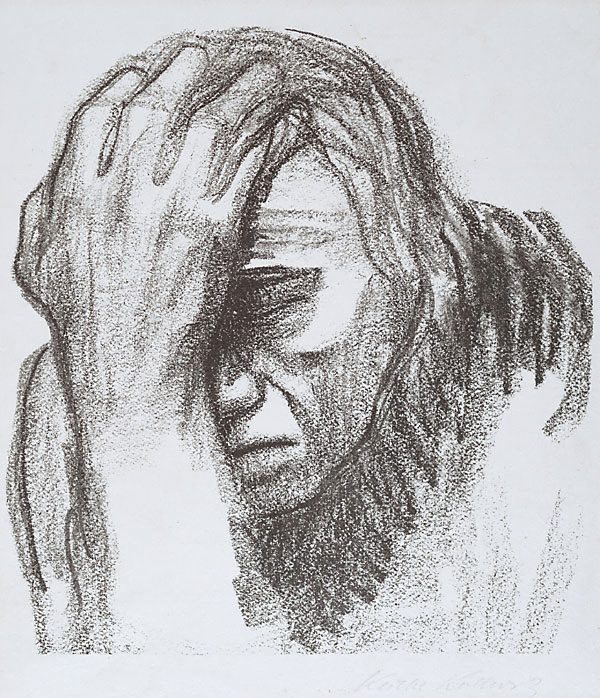
At the beginning of 2015 I found myself experiencing an intensely low mood, a feeling so severe it overreached itself and I was able to identify it as low self-esteem. Then began a personal journey to discover more about it and, if possible, fight against it. A conversation with a friend and a course book later, I feel much better equipped.
Low self-esteem is comfortably camouflaged by our British culture as modesty. But low self-esteem is not modesty. Modesty, or humility, is a virtue, seeing the worth of oneself and others in a true, equal light. Low self-esteem is a gut-sinking, almost panicky sense of inadequacy and failure that is based on false perceptions. One component of it is self-criticism. The honest examining of life and work is healthy and necessary for development and for maintaining good relationships. But self-criticism taunts with failure; it is crippling. If unchecked it can lead to depression.
As I talked to my friend, she recognised that my tendency was to present my past life in negative terms. Very simply, she suggested an alternative view, much more balanced and positive. She read my life, not just from the viewpoint of personal and solitary achievement, but from my contribution within a community. Through her eyes, I recognised that I had always chosen to work in a team, in a community, in the church, although I was judging myself as if I had worked in isolation.
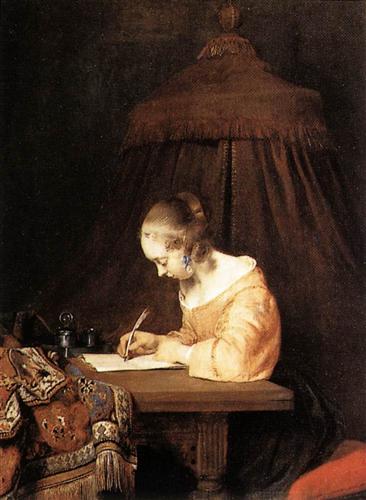
It appears to me that writers are often affected by low self-esteem, increased by the solitary nature of their craft. Confidence and wellbeing become unhelpfully dependent on finding a publisher, the number of book sales, the comments of critics, the feedback of friends. Ironically, success in these areas does not always diminish the sense of low self-esteem. What I have learned is that there is another approach to assessing our achievements. Over the years we will have participated in the lives of our community, our family, friends. We will have contributed to the lives and achievements of others. Others will have contributed to our creative efforts. Although as writers we essentially work alone, it is not in isolation but in community.
Perhaps most important of all is to recognise that our worth is not a question of our achievements. To base anyone’s worth only on what they achieve leads to a very frightening society. The culture of ‘I’m the winner and you’re the loser, so you don’t count’ looks like supreme self-confidence, but I suspect that low self-esteem has never been so prevalent. To imagine that the weakest is expendable is a deadly untruth.
By contrast, the gospel of Jesus invites us to participate in a community to which we belong, not because of what we achieve, but because we share his name. Good works will follow, as a branch bears fruit. And among the good works will be good words, written and spoken, for the enrichment of us all.
Eve Lockett is a licensed lay minister in Oxfordshire. She has published 3 books with Barnabas for Children – Tales of Grace, Tales for the Prayer Journey and Story Box Bible Tales. She has a website, www.waysidenativity.org.uk, showcasing her nativity craft project.

