
 |
| Photo: R/DV/RS, Flickr |
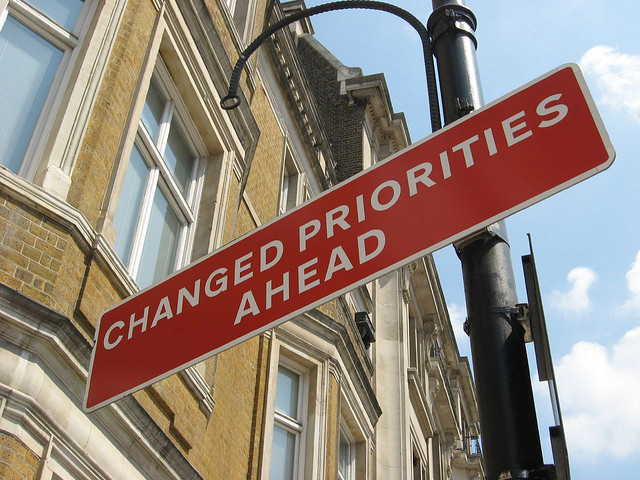
The only constant is change.
That’s how I started off a recent blog,
in which I announced the demise of my freelance editorial commissioning job
with Authentic Media, which also happens to be the publisher of my first book.
So this will most likely be my first and last book with them, which is a shame,
for they have invested much into launching my book – and me as an author. I’ve
loved the journey thus far.
I wasn’t too surprised when I heard the news that Authentic
was focusing in on the products that produced the greatest revenue – Bibles,
children’s books, and DVDs – for I know that adult Christian books are
expensive to develop, and that the market continues to shrink. Great Christian
books that used to sell into bookshops in the thousands now may only sell in
the hundreds. It’s just not financially feasible.
Traditional Christian publishing keeps shrinking in the UK,
and Stateside they are fighting their own battles. Family Christian Bookstores
are in administration, fighting to put forward a plan that would keep them
open. Currently it looks like they might be sold off to a company that would
dismantle them – which would be bad news for publishers, authors, and readers. (You
can read more about this on US literary agent’s Chip MacGregor’s blog.)
We in the UK went through a similar upheaval with our major
Christian book chains in years gone by – the SPCK debacle when the stores were
sold to the Stateside Brewer brothers, who pretty much ran them into the
ground, and the IBS-STL upheaval that sold off many of the big Wesley-Owen
stores to Koorong about 5 years ago (who also bought Authentic Media at that
time); many of the rest were picked up by the Nationwide Christian Trust, who
turned them into Living Oasis stores, which didn’t last very long.
All of this change has seemingly been in one direction,
which can prove to be depressing reading for authors, retailers, publishers,
and distributors. But here are some points of encouragement for writers in the
midst of the challenges of the market.
which can prove to be depressing reading for authors, retailers, publishers,
and distributors. But here are some points of encouragement for writers in the
midst of the challenges of the market.
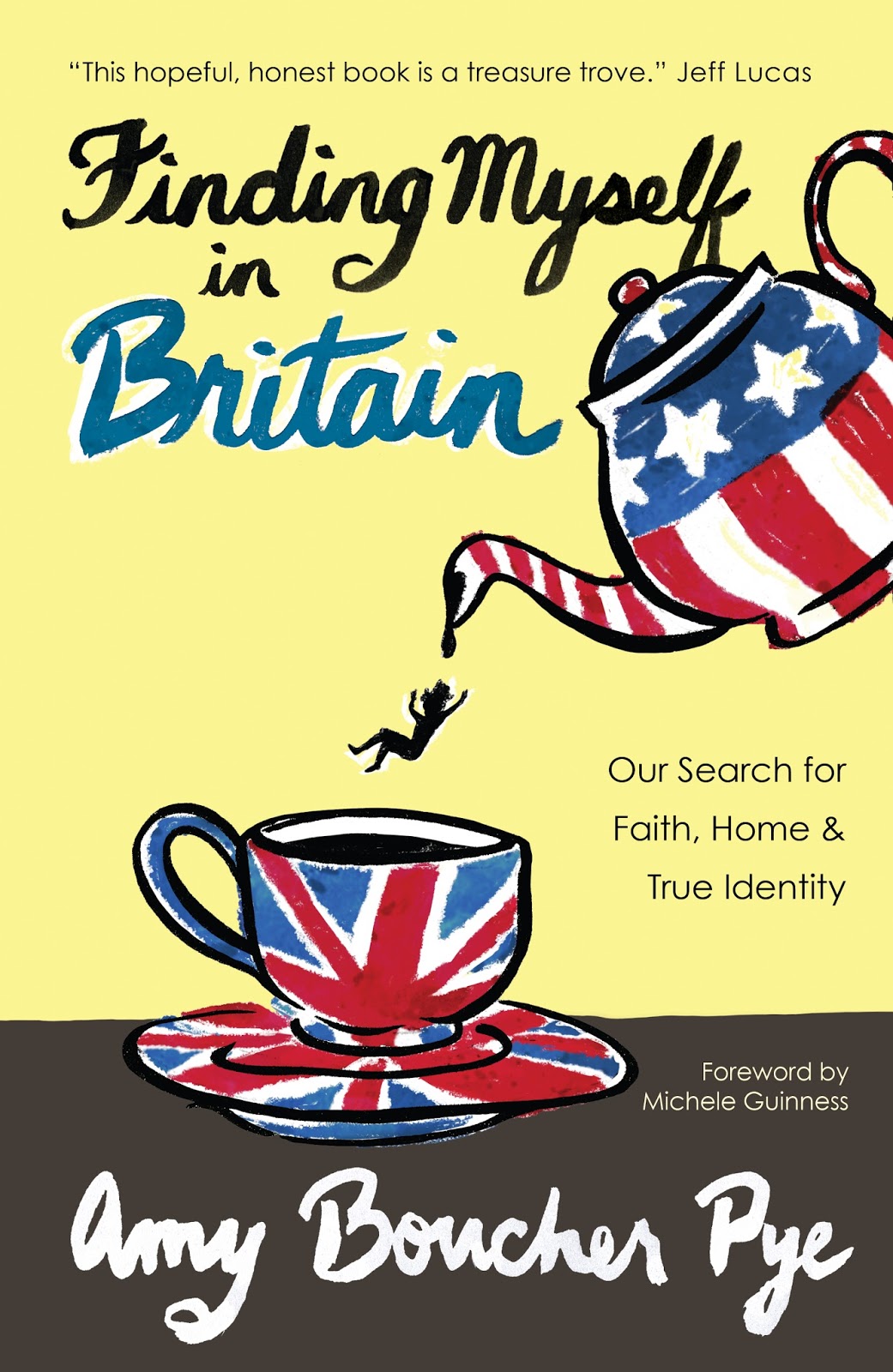 |
| My cover! My cover! I have to show you my cover! |
Great writing
connects. Let’s go back to what really matters – our writing. The way
people read is changing, with so much more of it done online rather than
via a traditional book, but reading isn’t going away anytime soon. Online
magazines, blogs, devotional sites – they all need content. Okay, so much of it
we might have to write for free. I guess the equation we need to weigh up in
our mind is how much will this article or post help my profile? Will I enjoy
writing it? Will I be writing on one of my core subjects? For instance, I’m contributing
four times this year to The
Kingdom Life Now magazine for women, and not getting paid, but I get to
write on my favorite subjects – those about prayer and spirituality – so I
consider it a win.
Self-publishing is gaining
in credibility. I address this subject as a to-be traditionally published
author and as an editor in the business for over 25 years, so admittedly my
bent is toward traditional publishing. I also write as a book reviewer who runs
the Woman Alive book club and writes book reviews for Christianity magazine. Especially in my
years with the book club, I’ve seen some shockingly produced self-published
books. Bad cover design, typos, purple prose – you name it. But times are
changing and authors are investing in editors, designers, and proofreaders –
and none too soon.
For instance, books like Luke Wordley’s The Fight have been a rousing success – a big American publisher
picked up his well-produced self-published book and introduced it to a global
market. (Here
is my review that was originally published in the Woman Alive book club.) Or I think of our own Fiona Veitch Smith,
whose wonderful children’s books (published formerly by Fiona’s Crafty Publishing) have been bought
by SPCK. Sorry, I see I’m still measuring success by a traditional publisher
taking over the self-published books! Another example without a whiff of traditional publishing is Wendy
Jones, who has been doing a stellar job with her crime series
featuring DI Shona McKenzie. Tell me in the comments your self-publishing
successes.
Self-publishing no longer carries a stigma, and today many
established authors approach publishing through a hybrid approach – they place some
projects with traditional publishers; some they produce on their own. If you’re
an author with a reach as big as Seth
Godin, for instance, who needs to sign away the majority of the book’s income to a publisher?
established authors approach publishing through a hybrid approach – they place some
projects with traditional publishers; some they produce on their own. If you’re
an author with a reach as big as Seth
Godin, for instance, who needs to sign away the majority of the book’s income to a publisher?
We have more means of
reaching our readers than ever before. It takes time to build a tribe via
social media and speaking, but technology connects us in amazing ways. Think about
life before the internet and social media. I’ve heard of authors trawling
through phone books, calling up churches and bookstores as they sought speaking
engagements. Or they would post flyers to churches, book clubs, community
organizations about their books. Yes, we have to spend time building our audience on
social media and through blogging, but times are much easier for connecting
than in pre-Internet days.
In summary, change may be the only constant in publishing, but we can
view change as an opportunity: For us to become more focused, professional, and
committed to our craft. To engage in authentic connection with our readers. To
know that in the end, the Lord is our Publisher, and he will lead us and guide
us.
view change as an opportunity: For us to become more focused, professional, and
committed to our craft. To engage in authentic connection with our readers. To
know that in the end, the Lord is our Publisher, and he will lead us and guide
us.
How have you been affected by change in your writing? How has
it been hard? Good? How have you coped? What has surprised you?
it been hard? Good? How have you coped? What has surprised you?
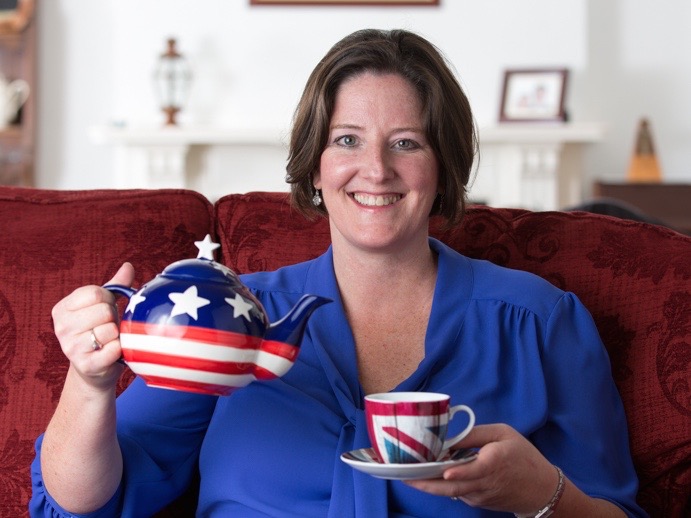
Amy Boucher Pye is a writer, speaker, and editor. Her first
book hits the deck in October: FindingMyself in Britain: Our Search for Faith, Home & True Identity
(Authentic Media). She blogs at amyboucherpye.com and is addicted to group
exercise, especially body combat classes.
book hits the deck in October: FindingMyself in Britain: Our Search for Faith, Home & True Identity
(Authentic Media). She blogs at amyboucherpye.com and is addicted to group
exercise, especially body combat classes.
Originally written by Amy Boucher Pye

