
Colin tutored the creative writing class I joined in 1994.
I’d waved my youngest child off to primary school and sobbed over chocolate Hobnobs,
then browsed the adult education brochure for something to do as a valid excuse
for not having vacuumed behind the sofa.
I’d waved my youngest child off to primary school and sobbed over chocolate Hobnobs,
then browsed the adult education brochure for something to do as a valid excuse
for not having vacuumed behind the sofa.
I hummed and hawed over the options. Belly dancing? No – my
belly danced of its own accord without need of music. Photography? No – unless
they could tell me how to stop my husband shutting his eyes in every photo.
(One, taken at our daughter’s wedding, had to be digitally altered to make him
look conscious.) Keep fit? No. Just no.
belly danced of its own accord without need of music. Photography? No – unless
they could tell me how to stop my husband shutting his eyes in every photo.
(One, taken at our daughter’s wedding, had to be digitally altered to make him
look conscious.) Keep fit? No. Just no.
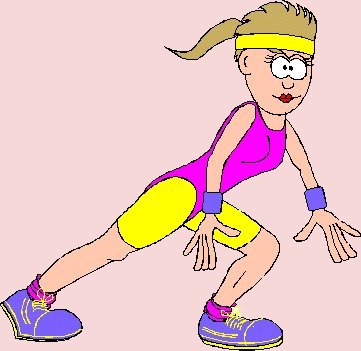 |
| Fran wondered how long she had to stay stuck like this until the ambulance came. |
Ah. Creative writing. That was the one for me.
I’d been writing poetry since my teens, mainly angst poetry
that went ‘I wish I could die. My life is like hell. I wish I could die. And my
teachers as well.’
that went ‘I wish I could die. My life is like hell. I wish I could die. And my
teachers as well.’
Later, I’d moved from angst to (intentional) comedy, writing comic poems, songs and
monologues which I imposed upon family and friends. Sometimes they laughed with
me; sometimes they laughed at me. Nothing much has changed.
monologues which I imposed upon family and friends. Sometimes they laughed with
me; sometimes they laughed at me. Nothing much has changed.
We remember, don’t we, moments of deep emotional
significance? I remember exactly where I
sat in that first class of Colin’s. I recall the first exercise (write about
someone who’s just about to commit a crime) and what he said when I’d read my
200 words out about a woman shoplifter. ‘It’s not perfect,’ he told the class,
‘but one thing we know. She can write.’
I can write? I can write? I can write? Whichever way I said them, the words sounded tasty.
Galvanised into further study, I moved on from Colin’s
classes after three years to sitting for A level English Literature (at 37). I
followed this with an English degree and teacher training. But it all started
with him. We kept in touch by email: mentor and mentee. He was still teaching
until he died last year in his 80s.
classes after three years to sitting for A level English Literature (at 37). I
followed this with an English degree and teacher training. But it all started
with him. We kept in touch by email: mentor and mentee. He was still teaching
until he died last year in his 80s.
Some key pieces of advice still influence my writing now. I
can hear him saying these things.
can hear him saying these things.
1. Beware of –ing words. You’ll sound like you’re playing
the triangle.
the triangle.
2. Don’t overuse similes and metaphors especially if they
detract from the narrative.
detract from the narrative.
3. Sophisticated writing isn’t about long words or complex
sentences. Look at Carver and Hemingway.
sentences. Look at Carver and Hemingway.
4. Don’t assume your reader understands what’s in your head.
It’s your job to make it clear.
It’s your job to make it clear.
5. Cut, cut, cut. Then go back and cut again.
6. Read everything aloud, particularly dialogue.
7. Ignore your old Junior School teacher who told you to
love adjectives. Love verbs instead.
love adjectives. Love verbs instead.
8. If you can’t take constructive criticism without having a
hissy fit, stick with the day job.
hissy fit, stick with the day job.
A favourite lesson of Colin’s was the ‘blind workshop’. We
brought a piece of writing on a given theme, unnamed. They were shuffled in a
hat and we each took one to read out. The resulting critique was more honest
and useful, so I’ve borrowed this method many times in school teaching and in
writing groups. It’s not one for the timid, but see Number 8 above.
 |
| This could be Colin, except that Colin’s feet were the same size. |
So, a question. Who was your main influence when you started
writing?
writing?
Originally written by Fran Hill

