
One of the ‘uses’ of the Bible Paul lists in his second letter to Timothy is ‘reproof’. And there are few better books for that than Amos. We’re studying it at the moment in our home group, focusing on the prophet’s message both for his time, and for today. So inevitably, we are talking about the pressing social issues of our world, nation and community, which are remarkably similar to those of Amos’ day. The unholy trinity of money, sex and power still do their usual work of corruption and oppression.
Being a church with a strong emphasis on peace and justice, we have several members who work in deprived areas, or for campaigning charities. However I suggested the other night that Amos was not actually an activist: he didn’t personally go out and change the abuses in his society. Instead his job was to identify and proclaim what was wrong. His powerful words shamed others’ behaviour, predicted what would come of it, and offered hope to those at the bottom of the heap. I don’t think my statement went down particularly well. One member pointed out that the prophets were very active, going out to where the people were and confronting them. But something still niggled.
 As a teenage convert, I was sure God would call me to work with Mother Teresa, or something equally heroic. We are fed, after all, with missionary biographies or accounts of dangerous, pioneering work in far-flung places; and it’s easy to feel that the ‘real’ Christians are the ones in those books. Think about it for a moment, though. Who tells those tales of bold Christian endeavour that might inspire others to serve similarly? It’s the writer, sitting alone at her computer, not feeling she’s changing anything very much. Amos, after all, had no publishers, and had to go out into the streets; but we are at several removes from our readers, and rarely get feedback, positive or negative. It’s easy (at least for me) to get consumed by guilt that I am not ‘out there’ doing something to bring the Kingdom of God a bit nearer.
But we need not echo Woody Allen’s words: ‘My one regret in life is that I am not someone else’. If God has called you to writing, that calling is as honourable as any other more socially engaged vocations. Without stories, whether missionary biographies or redemptive novels, humankind perishes – which may be one reason the Bible consists mainly of stories (the other reason is that three-quarters of it was not written by Christians… ) Sometimes, words do speak as loudly as actions; and what is more, they can lead ourselves or others to actions, can comfort and encourage those who are drained by action, can offer visions of the world to which those actions might lead. So (while I know many look up with awe to actual published writers), don’t let anyone question the value of your being ‘only’ a writer.
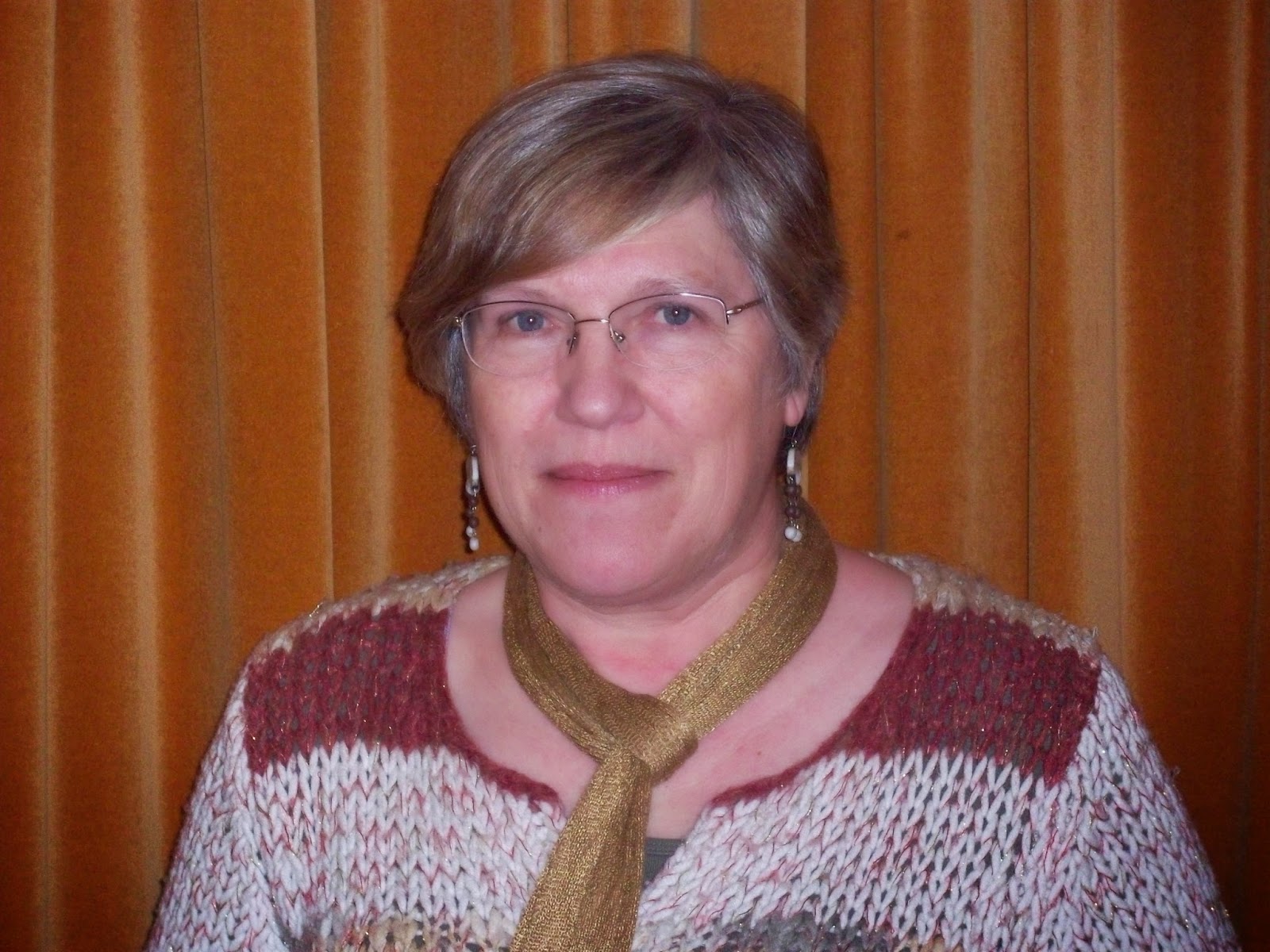 Veronica Zundel is a freelance writer whose latest book is Everything I know about God, I’ve learned from being a parent (BRF 2013). She also writes a column for Woman Alive magazine, and Bible notes for New Daylight. Veronica belongs to the only non-conservative, English speaking Mennonite church in the UK, and also blogs at reversedstandard.com

