
I studied for A level English Literature at 37, late to the
educational party. I’d failed to accept my school’s kind offer in 1978 of a sixth
form place, deeming it preferable to earn £16 a week in a factory, drilling
holes in circuit boards. In my teenage wisdom, I thought this more fulfilling
than studying Larkin or Shakespeare.
educational party. I’d failed to accept my school’s kind offer in 1978 of a sixth
form place, deeming it preferable to earn £16 a week in a factory, drilling
holes in circuit boards. In my teenage wisdom, I thought this more fulfilling
than studying Larkin or Shakespeare.
I’m surprised the school even offered a place; I was known more
for backchat than appreciation for the Bard. Poor Mr Jackson, my English
teacher.
for backchat than appreciation for the Bard. Poor Mr Jackson, my English
teacher.
In my mid-30s, I discovered challenging literature. My childhood reading had been
Blyton-dominated. Then, at home in my 20s bringing up three children, I’d read
formulaic romances and the novels of Dick Francis or John Grisham – good
stories, but a world away from George Eliot, the Brontes or Kate Atkinson. It
was Atkinson’s ‘Behind the Scenes at the Museum’ that galvanised me into attending
creative writing classes, then later taking my A level.
But in those English Literature classes on Monday nights, I
found my risible knowledge of classic texts a handicap. I’d reached 37 with a
tenuous grasp on literary tradition. Any author’s allusions to Greek myths, to the
witches in Macbeth or intertextual
references to the wife of Bath in The Canterbury
Tales mystified me. Other students seemed more clued up; perhaps they’d
listened to their parents.
Where I did triumph, though, was with Biblical references. By
then, I’d been a Christian for 20 years, so …
then, I’d been a Christian for 20 years, so …
Mention of serpents in our text?
‘Garden of Eden! The Fall
of Man!’ I’d yell, glad of a chance to shine.
of Man!’ I’d yell, glad of a chance to shine.
References to the parting of the
waves? Water into wine? Balaam’s donkey? Lazarus? Ask me, ask me! I fell on the opportunities
like eagles onto slow mice. No doubt my fellow students wondered how someone
could be so dense in some areas (‘What is
an Iliad, anyway?’) and so ‘chapter and verse’ in others.
waves? Water into wine? Balaam’s donkey? Lazarus? Ask me, ask me! I fell on the opportunities
like eagles onto slow mice. No doubt my fellow students wondered how someone
could be so dense in some areas (‘What is
an Iliad, anyway?’) and so ‘chapter and verse’ in others.
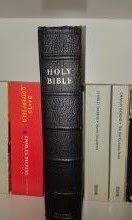
Later, at university, I hoovered up the myths and the classics,
plugging the gaps. Now, I teach English myself (Mr Jackson: stop giggling in
your grave) and preach a ‘read the Bible and other classics’ sermon to all my Literature
classes. I am shocked by their poor understanding of fundamental Bible narratives
such as the nativity, or the resurrection.
plugging the gaps. Now, I teach English myself (Mr Jackson: stop giggling in
your grave) and preach a ‘read the Bible and other classics’ sermon to all my Literature
classes. I am shocked by their poor understanding of fundamental Bible narratives
such as the nativity, or the resurrection.
‘If you’ve never encountered the Bible,’ I say, ‘you won’t
understand how Shakespeare exploited Edenic imagery in The Tempest, or how poets used conventions for describing women like
those used in the Song of Solomon.’
understand how Shakespeare exploited Edenic imagery in The Tempest, or how poets used conventions for describing women like
those used in the Song of Solomon.’
‘No?’ their faces say. ‘And this will ruin our lives how, exactly?’
As a writer who’s a Christian, I like adding Biblical intertextuality
into my writing. Informed readers, recognising the inferences or comparisons,
will enjoy them. Who doesn’t like to be ‘in the know’?
into my writing. Informed readers, recognising the inferences or comparisons,
will enjoy them. Who doesn’t like to be ‘in the know’?
And maybe the less informed might just pick that old Bible
off the shelf, dust it off, and look up the story of Lazarus to see why I used it
as a metaphor for, say, taking off layers of winter clothing.
off the shelf, dust it off, and look up the story of Lazarus to see why I used it
as a metaphor for, say, taking off layers of winter clothing.
Fran Hill is an English teacher and writer living in Warwickshire. Her comedy novel about one rollercoaster day in a teacher’s life is available from her blog site right here and for your Kindle just here and you can follow her Fran Hill Writer facebook page by going here
Originally written by Fran Hill

